
Lieferung heute & morgen

Qualitätsgarantie

Willkommens-Angebote freischalten: KOSTENLOSE Lieferung | Bis zu 80 % RABATT | Kostenlose 30-Tage-JoyPlus-Testphase
App herunterladen
A single device that vacuums and mops simultaneously—the idea is appealing. A cordless wet-dry vacuum promises to cut your floor cleaning time in half, freeing you up for other things. However, the market is flooded with models whose marketing claims often shine brighter than the floors they clean. Many devices turn out to be impractical or high-maintenance, quickly negating any time you hoped to save.
As your Joybuy Product Recommendation Officer, I'm here to help you separate the wheat from the chaff. Instead of falling for marketing hype, we'll focus on the facts. In this guide, I'll show you the three most common pitfalls to avoid and which technical features truly matter, so you can make an informed decision.
The post-purchase disappointment is often significant when a device fails to live up to its advertised promises in daily use. Pay close attention to these three points to avoid a bad buy:
To make the right choice, don't be dazzled by high wattage figures or a long list of accessories. The following three parameters are crucial for performance and practical everyday use.
An absolute must-have for any cordless wet-dry vacuum is a system with two separate containers. One tank holds fresh water (often with a small amount of cleaning solution), while the second collects the vacuumed dirty water. This is the only way to ensure you are consistently mopping your floors with clean water instead of just spreading dirt around. Pay attention to tank capacity: larger tanks (over 0.7 litres for fresh water) mean fewer interruptions for refilling or emptying.
Battery performance, indicated in Volts (V) and milliampere-hours (mAh), gives a clue about the device's power and endurance. A cordless vacuum mop should have a battery voltage of at least 20V to ensure consistent suction power. More important than the maximum advertised runtime is the realistic usage time in standard mode. For a floor area of up to 80 m?, a runtime of about 30-40 minutes is generally sufficient. Also, consider the charging time, which can range from 3 to 5 hours.
A good self-cleaning function is more than just a gimmick. It should not only thoroughly rinse the brush roller in the charging station but also, ideally, dry it. Models with hot-air drying effectively prevent the growth of bacteria and mould, significantly reducing maintenance and ensuring hygienic storage. Check if the brush roller and filters are easily removable for occasional deep cleaning.
Instead of making a one-size-fits-all recommendation, we have identified models that suit different needs and households.
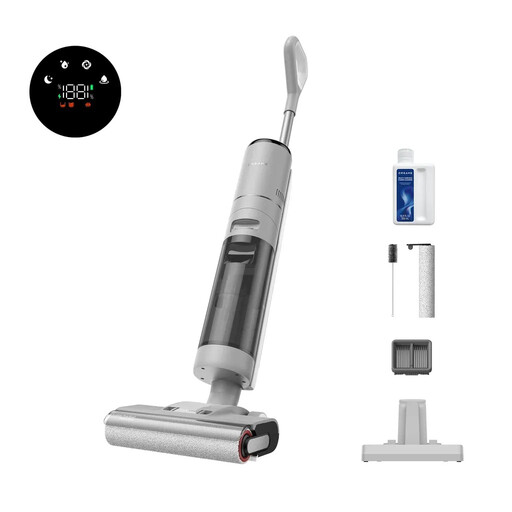
Why it's a good fit: Ideal for families seeking a reliable all-in-one solution for daily messes. It tackles both dry crumbs and liquid spills in a single pass, saving valuable time.
The one-touch self-cleaning thoroughly rinses the brush, avoiding the trap of complicated manual post-cleaning. The runtime of up to 35 minutes is a realistic figure for cleaning medium-sized living spaces.
Large tanks (900 ml fresh water, 700 ml dirty water) reduce interruptions. The edge-to-edge cleaning brush ensures clean results right up to the wall.
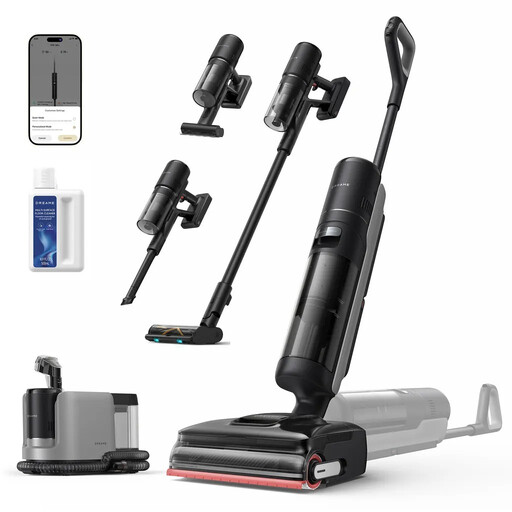
Why it's a good fit: For users who refuse to compromise. With a long runtime, high suction power, and versatile attachments, it's a complete solution for large homes and cleaning a variety of surfaces.
The self-cleaning cycle with 100°C hot water and subsequent hot air drying solves the problem of smelly, wet brushes. The runtime of up to 75 minutes (in vacuum mode) is realistic even for large areas.
The 180° lay-flat design and specialised edge-cleaning technology (GapFree AI DescendReach) solve the problem of dirty edges. The high suction power of 23,000 Pa is an objective performance metric.
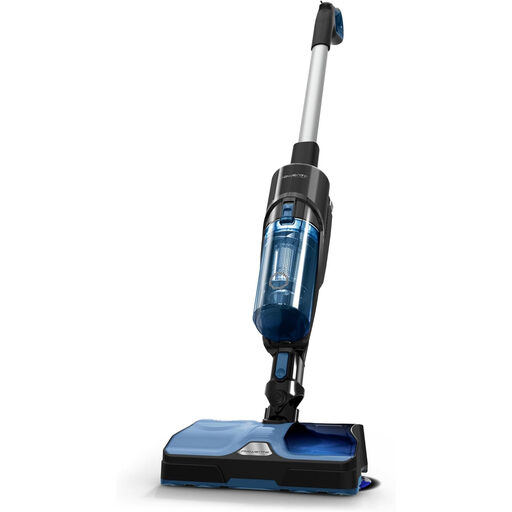
Why it's a good fit: Perfect for anyone looking for an exceptionally lightweight and manoeuvrable device for daily maintenance cleaning of hard floors. Ideal for smaller apartments or as a supplement to a traditional vacuum cleaner.
With a runtime of up to 60 minutes (in Eco mode), it offers impressive endurance for its weight class. Its ultra-lightweight design (3.1 kg) prevents the device from being perceived as too heavy and cumbersome, which often leads to infrequent use.
The combination of vacuuming and rotating mopping in a very lightweight device is its key advantage. The included storage station ensures neat and space-saving storage.
We have compiled a complete, up-to-date list of products that fully meet these strict selection criteria and German safety regulations.
Most cordless wet-dry vacuums are designed exclusively for sealed hard floors like parquet, laminate, tile, and vinyl. The rotating, damp brush is unsuitable for carpet fibres. A few models offer a vacuum-only function or special attachments for carpets, but their primary function remains hard floor cleaning. Always check the manufacturer's specifications regarding suitability for different floor types before purchasing.
Even models with a self-cleaning function require minimal maintenance. The dirty water tank must be emptied and rinsed after each use to prevent odour build-up. It is recommended to manually remove and thoroughly clean the brush roller and filters about once a month to ensure consistently high cleaning performance and hygiene. For devices without a drying function, the roller should be removed from the device to air-dry after cleaning.
The actual battery life depends heavily on the selected suction level and the intensity of the mopping function. While manufacturers often advertise runtimes of over 60 minutes, the realistic runtime in standard or turbo mode is typically between 25 and 40 minutes. This duration is usually sufficient for cleaning living spaces up to about 100 m?. Plan your battery size according to your home's size and cleaning routine.