
Lieferung heute & morgen

Qualitätsgarantie

Willkommens-Angebote freischalten: KOSTENLOSE Lieferung | Bis zu 80 % RABATT | Kostenlose 30-Tage-JoyPlus-Testphase
App herunterladen
A cordless wet and dry vacuum cleaner should be able to pick up spills, remove dry dirt and mop your floors in a single pass. In practice, however, models vary considerably in tank capacity, run time, maintenance and suitability for carpets. If you focus only on a high Pa rating or a long run time, you could end up with a model that doesn’t suit your household’s day-to-day needs.
Figures such as 16,000 or 23,000 Pa describe the maximum suction power under certain conditions. On their own, they don’t tell you how well a machine cleans along edges, handles pet hair or mops different floor types. Brush design, water flow and automatic adjustment to the level of dirt are also important.
A wet vacuum designed for sealed hard floors is not automatically a fully fledged dry vacuum for carpets. So check which attachments and cleaning modes are actually included.
A self-cleaning function usually rinses the brush roller and then dries it. You’ll still need to empty and rinse the dirty water tank. Filters, seals and brushes also need regular checks. If you have children or pets, empty the tank after every use so residue isn’t left inside the machine for too long.
The stated run time often refers to a quiet or energy-saving mode. Using high suction power, cleaning carpets or mopping intensively can shorten the run time. For a realistic idea of what to expect, look for figures for several modes, the charging time and the size of the area you need to clean.
Separate clean and dirty water tanks prevent collected water from being put back onto the floor. For larger households, capacities of 780 ml of clean water and 700 ml of dirty water, for example, are a practical size. Smaller tanks can make a machine easier to handle, but you’ll need to refill and empty them more often.
Also check that the tank opening is easy to access. A fiddly removal process makes everyday cleaning more of a chore than it needs to be.
An anti-tangle design is worth considering if you have pets. Systems such as TangleCut, or similar scrapers, are designed to remove hair from the roller while the machine is running or during self-cleaning. You’ll still need to check the roller yourself, though.
A brush that reaches close to the edges means less work along skirting boards. For cleaning around furniture, a 180° Lie-Flat design can be useful, provided the machine maintains water flow and suction when reclined. Check the maximum height of the machine when positioned under your sofa, bed or cupboards.
A run time of 30 to 45 minutes may be enough for a flat, while larger households may benefit from a longer run time or a replaceable battery. Allow for a charging time of around four hours when planning your cleaning routine. A weight of around four to six kilograms affects how comfortably you can guide the machine for longer periods and use it under furniture.
You may need a separate cordless vacuum cleaner for carpets. A wet and dry vacuum is primarily designed to pick up liquids and clean hard floors at the same time.
The models below differ in suction power, run time, tank capacity and maintenance features. The details are based on the respective product descriptions.
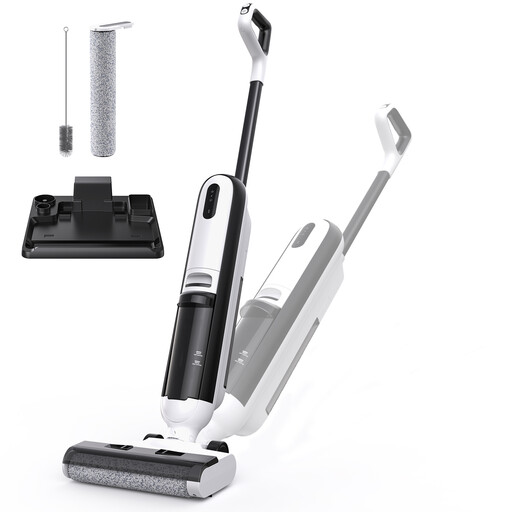
Why this product suits this type of household: With a 30-minute run time, a weight of 4 kg and separate 540 ml and 460 ml tanks, the T6 is well suited to smaller flats and regular hard floor cleaning.
The technical specifications give precise figures for run time, tank capacities and charging time. This makes it easier to judge where the machine is best suited, rather than relying on a single suction power figure.
Brushless motor, self-cleaning, LED display and three cleaning modes, according to the product details.
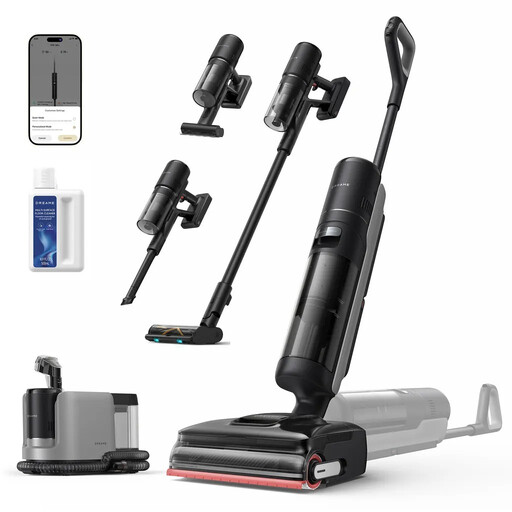
Why this product suits this type of household: This model combines 23,000 Pa suction power, up to 75 minutes in vacuum mode, a 180° Lie-Flat design and several attachments for floors, upholstery and carpets.
Run times are listed separately for each operating mode. Tank capacity, charging time and accessories are also specified, making it easier to plan for larger households.
100°C water cleaning, warm-air drying, TangleCut 2.0, automatic detergent dispensing and a replaceable battery, according to the product description.
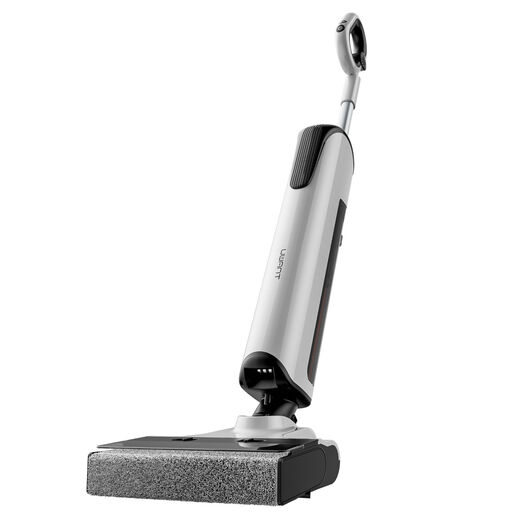
Why this product suits this type of household: The D700 is designed for households that regularly deal with wet messes, children or pets. It offers 20,000 Pa suction power, a 45-minute run time and a 180° recline function.
Three-stage water control helps you adjust the machine for different hard floors. You’ll still need to empty and rinse the dirty water tank after every use.
D-shaped triple-edge brush, dirt detection, push-in station, and 100°C self-cleaning and drying, according to the product details.
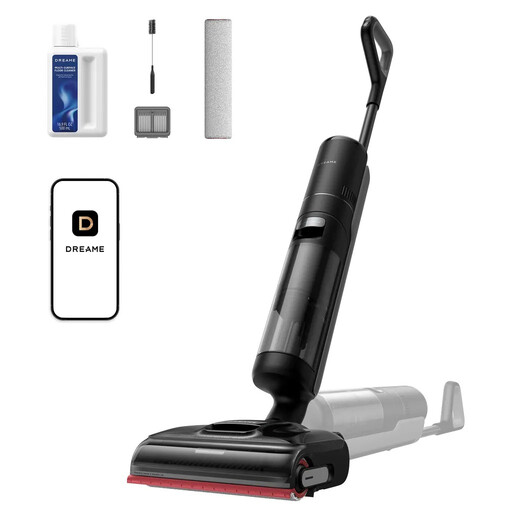
Why this product suits this type of household: With 21,000 Pa suction power, 50 minutes in quiet mode and a 180° Lie-Flat design, it combines whole-floor cleaning with access under low furniture.
The product details distinguish between quiet mode and Smart mode, helping you put the advertised maximum run time into context.
GapFree edge cleaning, TangleCut scraper, 90°C water washing and 90°C warm-air drying, according to the manufacturer.
In addition to the purchase price, you’ll need to allow for electricity, cleaning products, filters and, where necessary, brush rollers. Use water alone or products approved by the manufacturer. Unsuitable additions such as vinegar, bleach or heavily foaming cleaners can damage seals and pumps.
Hot self-cleaning functions can pose a burn risk. Don’t touch the brush or docking station until they have cooled completely. Keep the motor housing and battery out of water. A separate dry vacuum may be a better choice for carpets and fine dry dust.
We’ve put together a complete, regularly updated list of products that meet these strict selection criteria and fully comply with the safety regulations in force in the EU.
It depends on the model. Many vacuum mops are primarily designed for hard floors. For carpets, you’ll need a suitable vacuum mode, the right brush or a separate attachment. The product description should explicitly mention carpet cleaning.
Battery life depends on charging cycles, use, storage and temperature. Only charge the machine with the supplied charger and store it in a dry place. If you won’t be using it for a while, it’s generally better to leave the battery partially charged rather than completely discharged.
Yes. Empty the tank after use, rinse it out and allow any removable parts to dry completely. The brush’s self-cleaning function doesn’t replace these steps. This keeps manual maintenance manageable and ensures the machine is ready for next time.