
Lieferung heute & morgen

Qualitätsgarantie

Willkommens-Angebote freischalten: KOSTENLOSE Lieferung | Bis zu 80 % RABATT | Kostenlose 30-Tage-JoyPlus-Testphase
App herunterladen
A cordless electric rotary cutter can require considerably less hand strength when cutting fabric, felt, leather, cardboard or plastic than a conventional pair of scissors. However, the devices differ in blade design, battery life, weight and safety features. If you focus only on motor speed or a low price, you may end up buying a model that is not suitable for your intended use.
This buying guide explains which details are relevant before you buy and which product features suit different user profiles.
Specifications such as 11,000 rpm may initially sound impressive. However, what matters is whether the blade, contact pressure and design are suitable for the material. Thin fabric, corrugated cardboard and felt have different requirements from leather, carpet or plastic. A high motor speed cannot replace the right blade or controlled handling.
“Up to two hours” generally describes continuous use under specific conditions. Frequent starting and stopping, tough materials or high pressure can affect the runtime. A small battery is sufficient for occasional craft projects; for longer cutting jobs, you should examine the stated operating time more closely.
An electric cutter is only practical if suitable replacement blades are available and easy to fit. A safety lock, blade guard and a design that makes accidental activation more difficult are equally important. Some offers include only one blade. This should be factored into the ongoing costs.
A cordless rotary cutter with a round blade is generally suitable for straight and longer cuts. A pointed blade can offer advantages when working on edges, corners and tight contours. A standard rotary blade is often sufficient for paper and cardboard. For leather, carpet or plastic, the blade material and permitted material thickness are particularly important.
Look for specific information about compatible materials:
A cutter for cardboard and leather is not automatically suitable for every leather thickness. Before starting your first larger project, it is advisable to make a test cut on a scrap piece.
With a 4 V cordless cutter, you should consider not only the voltage but also the capacity and charging connection. USB-C is practical because compatible power adapters, power banks or computers can be used. However, the charger must match the product’s technical specifications.
Relevant details include:
A USB-C electric cutter is particularly suitable for mobile workstations or small workshops without a permanent power connection. Lithium-ion batteries should be stored in a dry place and charged according to the manufacturer’s instructions.
Weight affects cutting control. Lightweight models can be more comfortable during longer jobs, while a model that is too light may be less stable to handle when working with tougher materials. Figures below 70 dB describe the noise level under the relevant product conditions, but should not be confused with complete silence.
An electric pair of scissors or electric fabric cutter should also have an easily accessible on/off switch and a secure grip area. When working indoors, a blade guard and safety lock are more important than the highest possible speed.
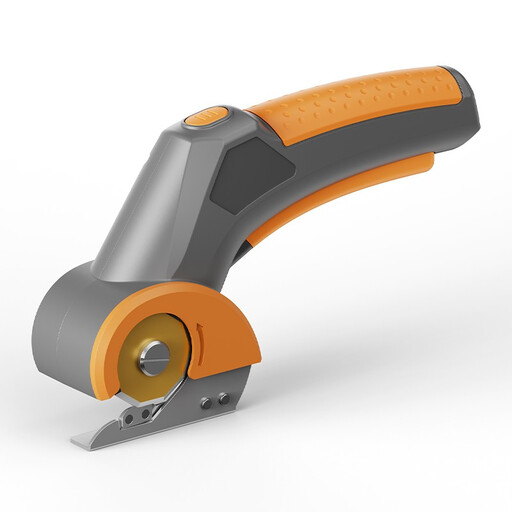
Why this product suits this profile: This compact 4 V cutter handles several common craft materials, including paper, cardboard, felt, leather, carpet and plastic.
The materials are listed specifically, making it easier to check before buying whether the device is suitable for your planned project.
Cordless design, integrated 4 V battery and ergonomic handling; according to the product details, the blade is designed for several materials.
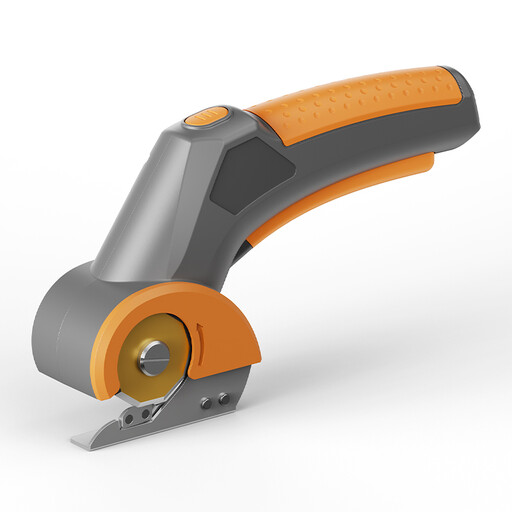
Why this product suits this profile: This version combines a stated runtime of up to two hours with USB-C charging and an additional replacement blade.
The replacement blade reduces the risk of being left without a suitable replacement option as soon as the original blade becomes worn.
Product weight of 0,386 kg, USB-C charging port, safety lock and a stated noise level below 70 dB.
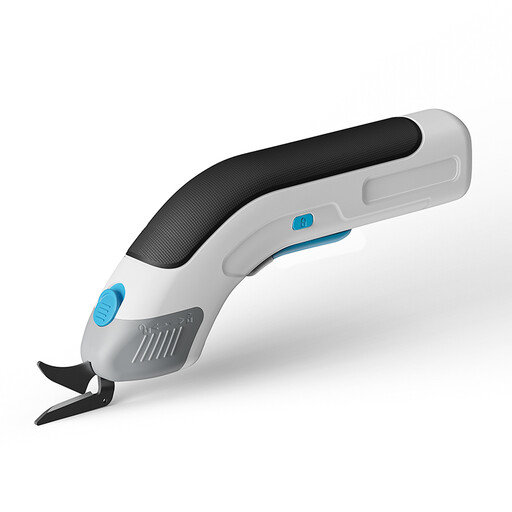
Why this product suits this profile: The pointed blade is designed for edges, corners and precise contours in felt, leather, carpet, cardboard and plastic.
The product description clearly states the shorter runtime of up to 45 minutes and the single blade included.
Weight of 0,2 kg, USB-C charging time of approximately 1,5 hours according to the product details, battery indicator and integrated safety lock.
Before cutting, the material should be laid flat on a non-slip surface. A cutting mat protects your worktop and makes the cutter easier to guide. Markings are best made using a ruler or template. When working with leather and plastic, testing the cutter on a scrap piece is recommended, as the material thickness and surface texture can affect the result.
Also bear the following in mind:
For projects involving leather cut-outs, suitable leather fabrics can be a useful addition. If you would like to compare different materials and finishes, you can find further options in the leather fabric range.
We have put together a complete, regularly updated list of products that fully meet these strict selection criteria and the safety regulations applicable in the EU.
Runtime depends on the model, material and how you work. For the devices mentioned, the product specifications range from up to 45 minutes to up to two hours of continuous cutting. Frequent interruptions and tougher materials can affect the actual operating time.
This is possible if leather is explicitly listed as a suitable material in the product description. The permitted thickness must also be taken into account. A test cut should be carried out before making larger cuts.
The power consumption of a 4 V cordless cutter is low compared with mains-powered devices. Ongoing costs mainly come from the electricity used for charging and from replacement blades. Therefore, check whether a replacement blade is included and whether it can be changed without specialist tools.