
Lieferung heute & morgen

Qualitätsgarantie

Willkommens-Angebote freischalten: KOSTENLOSE Lieferung | Bis zu 80 % RABATT | Kostenlose 30-Tage-JoyPlus-Testphase
App herunterladen
Unused corners are wasted space in many homes and apartments. A corner shelf seems like the obvious solution for creating storage while adding a decorative touch. However, the selection is vast, and not every model lives up to its promises. Many buyers are left frustrated with wobbly construction, subpar materials, or storage space that turns out to be much smaller than expected.
As your Joybuy Product Recommendation Officer, I'm here to help you avoid these common pitfalls. This guide will show you the objective criteria that matter, so you can find a stable, durable, and perfectly fitting corner shelf for your home.
Before we get to the solutions, it's important to understand the problems. Pay attention to these three points to avoid a bad investment:
To avoid the problems mentioned above, you should base your choice on three key parameters. These will help you objectively evaluate the quality and suitability of a corner shelf.
The material determines not only the look but also the durability and where the shelf can be used.
A freestanding corner unit, especially a tall corner shelf, must be secure. Two features are essential for this:
Don't just measure the corner; also consider what you want to place on the shelf.
Based on the criteria above, we have identified several models that are well-suited for different needs and living situations.
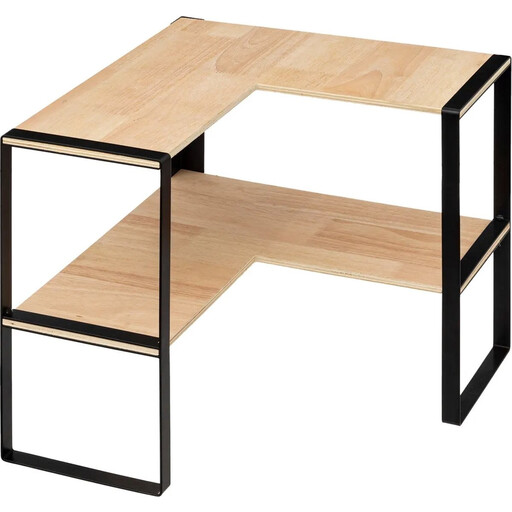
Why This Fits Their Persona: Ideal for anyone looking to make smart use of unused space on a kitchen countertop, under the sink, or in the bathroom. Its compact size is specifically designed for organising spices, canisters, or toiletries.
This shelf is designed for a clear, lightweight purpose. It bypasses the instability trap as it's not intended for heavy loads. The steel and plywood material combination is robust and functional for its intended use.
Compact dimensions (40 x 40 x 35 cm) fit perfectly on countertops. The two tiers quickly create order in a small space.
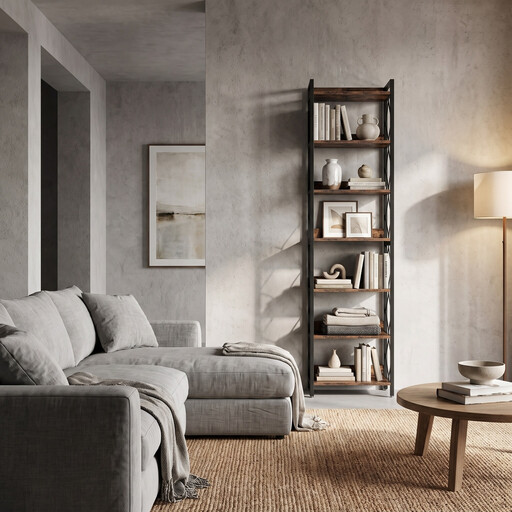
Why This Fits Their Persona: This tall, narrow shelf combines a sturdy metal frame with wood-look tiers, making it a perfect fit for living rooms or offices with a retro or industrial aesthetic. It's a statement piece that merges functionality and design.
It actively addresses the stability problem with adjustable foot pads for uneven floors and an included anti-tip kit. The clear specification of a load capacity of up to 18 kg per shelf (according to the manufacturer) prevents overloading.
The tall, narrow design (200 cm) maximises vertical storage on a minimal footprint. The diamond-patterned fall protection is a thoughtful detail.
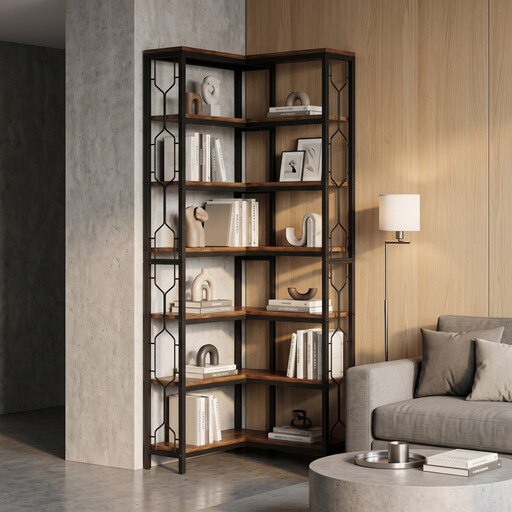
Why This Fits Their Persona: Anyone needing significant storage for books, binders, or a collection will find a solution here. With seven tiers and generous dimensions (60 x 60 x 200 cm), this shelf offers maximum space and is designed for heavy loads.
This model directly addresses the pitfalls of instability and low load capacity. A reinforced metal frame, adjustable feet, and an anti-tip kit ensure a secure stance. The high, clearly stated load capacity provides confidence when storing heavy items.
Very high load capacity (up to 45 kg per shelf, according to the manufacturer). The L-shape with side grids offers ample space while preventing items from falling off.
We have compiled a complete, up-to-date list of products that fully meet these strict selection criteria and safety standards.
The load capacity varies greatly depending on the model, material, and construction. Small decorative shelves often support only a few kilograms per tier, while sturdy industrial-style bookshelves can hold 20 kg or more per shelf, according to manufacturer specifications. Always check the maximum load capacity per shelf in the product details and place heavier items on the lower levels for better stability.
For any freestanding shelf that is taller than it is wide, wall mounting is strongly recommended. For safety, a tall corner shelf should always be anchored to the wall using the provided anti-tip kit. This prevents tipping accidents, especially in households with children or if the shelf is placed on an uneven floor.
Starting from the corner, measure the length along both walls (the leg length) that the shelf can occupy. Ensure there are no light switches, power outlets, or door frames in the way. Also, measure the available height to the ceiling. Compare these measurements with the shelf's external dimensions in the product description to ensure it will fit perfectly in the intended corner.