For a family breakfast where diabetes is a consideration, neither a large pack nor an unsweetened one is automatically the right choice. Compare sugar and carbohydrate values per 100 g, and take the portion actually eaten into account. The 500 g packs reviewed offer more to keep in the cupboard than the unsweetened 300 g and 375 g products. However, their lower sugar content does not come with a similarly low carbohydrate value, as the product information from REWE and EDEKA24 shows.
Who should think carefully about their choice?
Families keeping track of carbohydrates per portion
If carbohydrates need to be counted as part of an individual insulin plan at a family breakfast, what goes in the bowl matters more than the pack size. diabetesDE notes that people with diabetes who use insulin need to calculate the carbohydrates in their meals.
Households focused on sugar content
If you want to compare added sugar and the sugar value per 100 g, remember to check total carbohydrates as well. A low sugar value on its own does not tell you whether a portion is suitable for someone with diabetes.
Families who eat cornflakes regularly
If you serve several portions a week, a 500 g pack may suit your household’s needs. Smaller unsweetened packs of 300 g or 375 g are an alternative if their recipe matters more to you than having a larger supply.
What should you look for when buying?
First, decide which nutritional value or ingredient information matters most to your household. Then choose a pack size that suits how much you actually use. The considerations below each relate to the key question at a family breakfast.
| What matters |
What to check when buying |
Who it matters most to |
| Carbohydrates per portion |
Use the carbohydrate value per 100 g to calculate the amount actually weighed out; take the rest of the breakfast into account too. |
If I need to count carbohydrates at breakfast as part of my individual insulin plan, I need to be able to work out the portion clearly. This is the top priority for around 36% of consumers. |
| Sugar and ingredients |
Compare sugar and carbohydrates per 100 g alongside the ingredients list. |
I want to choose cornflakes with a low stated sugar value without overlooking the carbohydrate content. This is the main concern for around 29% of consumers. |
| Pack size and how much you use |
Weigh up 300 g, 375 g and 500 g packs against your usual consumption and the storage instructions. |
If several people eat cornflakes regularly, I want a pack we can finish in good time. The right pack size is the priority for around 21% of consumers. |
| Allergens and storage |
Check the current ingredients and allergen information, as well as the storage instructions on the pack. |
If someone in my household has an allergy, I need to check the specific product information before everyone eats from the same pack. This is the main concern for around 14% of consumers. |
Which common mistakes can make choosing harder?
-
Assuming unsweetened means low in carbohydrates
The unsweetened EDEKA Bio and Alnatura cornflakes listed by EDEKA24 contain 0.6 g and 0.5 g of sugar per 100 g respectively, but 84.6 g and 84 g of carbohydrates per 100 g.
Check both values and use the carbohydrate information to work out the amount actually eaten.
-
Choosing a 500 g pack based on size alone
REWE lists different sugar values for the 500 g packs from Seitenbacher and Kellogg’s: 4 g and 8 g per 100 g respectively. Pack size tells you neither the nutritional content nor whether your household will finish it in good time.
Compare the specific products and choose a pack size that suits how much you use.
-
Overlooking allergen information on cornflakes
The information for the unsweetened EDEKA Bio and Alnatura products reviewed mentions possible traces of various allergens. So, even though corn is the main ingredient, you still need to check the specific pack.
If you have allergies or coeliac disease, check the current ingredients and allergen information for each product.
-
Relying on a general diabetes label
According to diabetesDE, there is no special diet or list of foods that are generally off limits for either type 1 or type 2 diabetes. A general label therefore cannot tell you whether a breakfast portion is right for you.
Use the nutritional information, ingredients and portion size as your guide. You cannot work out an individual treatment plan from a product label.
Key brands to help guide your choice
Kellogg’s
Classic Corn Flakes in the 500 g pack listed by REWE.
- The pack size may suit households where several people eat cornflakes regularly.
- REWE lists 8 g of sugar and 84 g of carbohydrates per 100 g for this product; sugar and barley malt are included in the ingredients.
Seitenbacher
Cornflakes Zuckerarm in the 500 g pack listed by REWE.
- REWE lists 4 g of sugar per 100 g for the version reviewed.
- The same product is listed as containing 78 g of carbohydrates and 1 g of salt per 100 g. The product name does not replace checking your portion.
EDEKA Bio
Unsweetened cornflakes in the 375 g pack listed by EDEKA24.
- EDEKA24 describes the product as having no added sugar and lists 0.6 g of sugar per 100 g.
- It also lists 84.6 g of carbohydrates per 100 g. If you have allergies, check the information on the specific pack.
Alnatura
Unsweetened organic cornflakes in the 300 g pack listed by EDEKA24.
- EDEKA24 lists 0.5 g of sugar per 100 g for the product reviewed.
- The information also lists 84 g of carbohydrates per 100 g. The smaller pack gives you less to keep in the cupboard; check for possible allergen traces.
Nestlé
REWE lists Cini Minis as cinnamon-flavoured cereal in a 625 g maxi pack. This is a different type of product from the cornflakes compared here.
- The listed pack weight is useful when comparing pack sizes.
- When choosing based on sugar, carbohydrates and ingredients, check the information for the specific Cini Minis pack, rather than values for other cereals.
Cornflakes at Joybuy
This selection includes a smaller unsweetened pack and two 500 g options for households weighing up pack size against ingredients. The products differ, and no product name can replace checking the latest nutritional and ingredient information.
 Image unavailable
Alnatura Organic Unsweetened Cornflakes, 300 g
A smaller pack for households who prefer unsweetened cornflakes to a larger pack for the cupboard. For the 300 g version, EDEKA24 lists 0.5 g of sugar and 84 g of carbohydrates per 100 g; use the amount actually eaten when working out the portion. If you have allergies, check the current information on the pack.
View at Joybuy
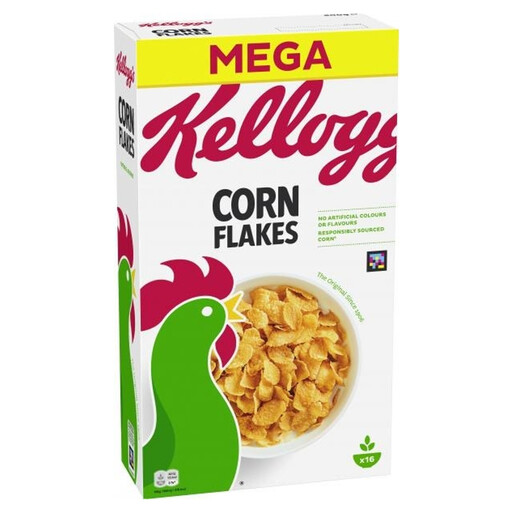 Image unavailable
Kellogg’s The Original Corn Flakes, 500 g
The 500 g pack may suit households that eat cornflakes regularly. For the Kellogg’s Corn Flakes reviewed, REWE lists 8 g of sugar and 84 g of carbohydrates per 100 g, with sugar in the ingredients list. Check the information on the current pack and take the portion actually eaten into account.
View at Joybuy
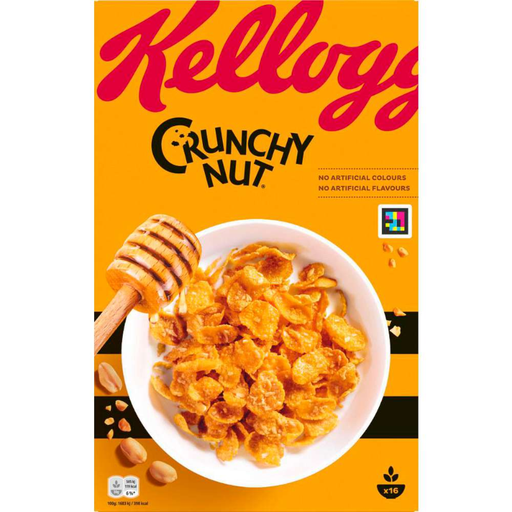 Image unavailable
Kellogg’s Crunchy Nut Honey & Nut Cornflakes, 500 g
The 500 g pack is another option for families who eat cornflakes regularly. If a low sugar value or allergen information is important to your choice, check this sweetened variety especially carefully against the current pack. Pack size alone does not tell you whether a portion is right for you.
View at Joybuy
Frequently asked questions
Are unsweetened cornflakes automatically suitable for people with diabetes?
No. The product description alone is not enough to tell you that. Despite their low sugar values, the unsweetened EDEKA Bio and Alnatura varieties listed by EDEKA24 contain 84.6 g and 84 g of carbohydrates per 100 g respectively. The portion size matters too.
How can you account for cornflakes if you have diabetes and use insulin?
The carbohydrates in the portion of cornflakes you eat should be included when calculating your meal. diabetesDE advises that people with diabetes who use insulin should do this. Your individual insulin plan should follow your treatment plan, not a general statement on the pack.
What matters when sharing breakfast with a child who has diabetes?
Even when using a family-sized pack, it should still be clear how much the child actually eats. diabetesDE describes a balanced diet as the general approach for children and teenagers with diabetes, with carbohydrate intake matched to their individual insulin treatment.
When is a larger pack of cornflakes worth buying?
A larger pack may be a good choice if several people eat cornflakes regularly and you can store and finish it in good time. Check the storage instructions on the specific pack; for the Seitenbacher cornflakes listed by REWE, for example, it is recommended that you keep the pack tightly closed.


