What to consider when buying
First decide whether you’d prefer separate portions or a pack you can portion yourself. Then compare the recipes of the products you’re considering: a cereal selection isn’t necessarily the same as classic cornflakes made from maize.
| Criteria |
What to check when buying |
Who it matters to |
| Portions and varieties |
Does the pack contain separate inner portions? Which varieties and portion sizes are listed? |
For a single bowl at breakfast, I’d like a separate portion or some variety without opening several packs. Around 42% of consumers would put this preference for portions and variety first. |
| Sugar, ingredients and allergens |
Compare sugar per 100 g and the ingredients list; read the allergen and may-contain information on the specific pack. |
If I want to avoid a particular ingredient or compare recipes, the ingredients matter more to me than the packaging. Around 33% of consumers would prioritise ingredients and sugar content. |
| Wholegrain and fibre |
Check the wholegrain content, types of grain used and fibre per 100 g for the specific product. |
I’d rather portion the cereal myself if that means I can choose a recipe with a higher wholegrain content. Around 25% of consumers would prioritise wholegrain and fibre. |
Products for both portion options
This selection includes individually wrapped cereal mixes alongside standard packs of cornflakes that you can portion yourself. The mixes are handy if you like to switch between varieties; with standard packs, you can choose the recipe independently of the portion format.
 No image available
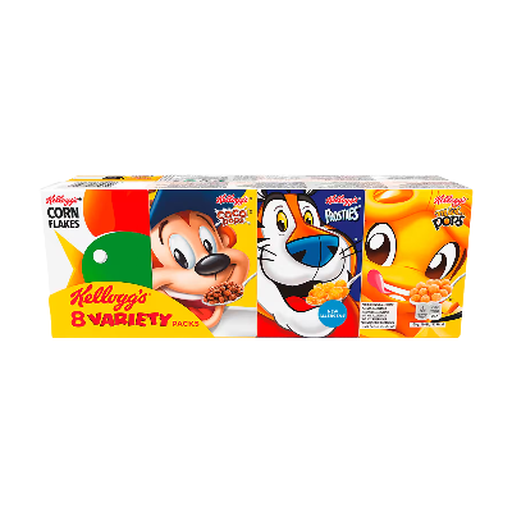
Kellogg's Variety Cereal Pack, 8-pack, 205 g
A good option if you’d like separate portions and a selection of cereals, rather than just one variety, for your solo breakfast.
Check which varieties are included, along with their ingredients and allergen information. If the size of each inner portion matters to you, check its weight on the pack.
View at Joybuy
 No image available
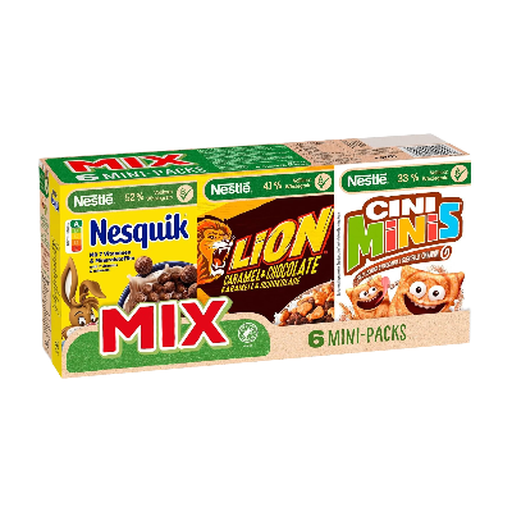
Nestlé Cereal Variety Mini Pack, 200 g
An option if you’re looking for small cereal packs with different varieties for individual breakfasts, rather than choosing classic cornflakes as your only variety.
Before buying, check which varieties are included, the allergen information and the size of each mini pack.
View at Joybuy
 No image available
Alnatura Organic Unsweetened Cornflakes, 300 g
For a breakfast you can portion yourself, if you’re looking for unsweetened cornflakes rather than a mix of individually wrapped portions.
EDEKA24 states that this product contains 0.5 g of sugar per 100 g. Seal the pack well once opened, and check the may-contain information if you need to avoid certain ingredients.
View at Joybuy
 No image available
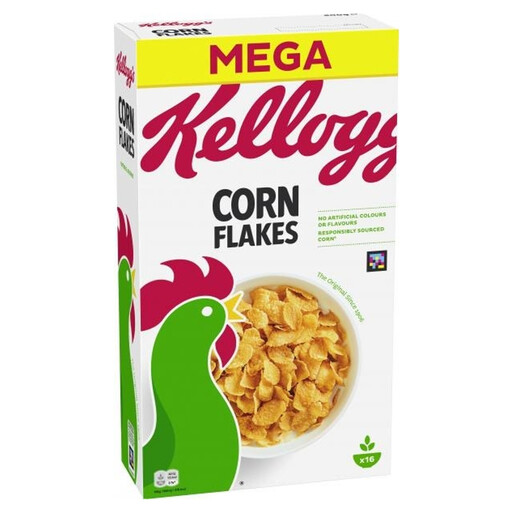
Kellogg's The Original Corn Flakes, 500 g
For a solo breakfast with classic cornflakes made from maize, when you’d like to measure out your own portion and store the rest of the pack.
Kellogg's Germany lists maize, barley malt, sugar and salt as ingredients in its Corn Flakes. As they contain barley malt, check the pack labelling if you need to avoid gluten.
View at Joybuy
Frequently asked questions
Are cornflakes always gluten-free?
No. You can’t tell whether a product is gluten-free just from the word cornflakes. According to Kellogg's Germany, Kellogg's Corn Flakes contain barley malt; ingredients and may-contain information can vary between other products. If you need to avoid gluten, check the labelling on the specific pack.
How should I store cornflakes from an opened standard pack?
Seal the opened pack well and follow its storage instructions to keep the remaining flakes dry until your next breakfast. With individually wrapped portions, only the opened inner pack is left unsealed.
Do cornflakes have to be thrown away after the best-before date?
No. A best-before date that has passed isn’t an automatic throw-away date. The German Federal Office of Consumer Protection and Food Safety advises checking the packaging and product if food has been stored correctly. A use-by date, labelled ‘use by’, is different; food should not be eaten after that date.
Where should I dispose of the cardboard box and inner bag from a cereal pack?
Dispose of packaging components separately according to their material, if they can be separated. The German consumer advice centre generally puts paper and cardboard in paper recycling, while plastic and composite packaging goes in the Yellow Bin or Yellow Bag. For packs with several components, check each one individually.


