Parents looking to avoid added sugar
For an easy breakfast, compare the ingredients list with the sugar figure per 100 g. “Unsweetened” and “wholegrain” answer different questions.


If your main aim is to avoid added sugar, unsweetened cornflakes are one option, but they don’t necessarily contain wholegrain. If wholegrain content is your priority, compare the named wholegrain ingredient and ingredients list, as well as the sugar and salt figures per 100 g. If your child has an allergy or coeliac disease, the labelling on the specific pack must also meet their individual needs.
For an easy breakfast, compare the ingredients list with the sugar figure per 100 g. “Unsweetened” and “wholegrain” answer different questions.
They look for a named wholegrain ingredient or a stated wholegrain content, and may consider oat- or wheat-based products instead of classic cornflakes.
They check each variety’s ingredients list and any warnings about possible traces. The name “cornflakes” alone doesn’t tell you whether a product meets their needs.
For a toddler’s breakfast, start by deciding whether avoiding added sugar, choosing a product with stated wholegrain content, checking for allergens or finding a convenient option matters most. Then compare the information for the specific products on the same basis: per 100 g.
| Priority | What to check | Who it matters to |
|---|---|---|
| Sugar | Compare “of which sugars” per 100 g and any sweetening ingredients. A wholegrain claim doesn’t replace this check. | If I serve cereal regularly, I want to spot added sugar in the ingredients and compare the sugar figures. Around 33% of consumers put this first. |
| Wholegrain | Look for a named wholegrain ingredient or a stated wholegrain content, then check sugar and salt per 100 g. | A clear wholegrain content matters more to me than the name “cornflakes”, even if that means switching to oats or wheat. Around 27% of consumers prioritise this. |
| Allergens | Read the ingredients list and any traces warning on the current pack separately, and take individual requirements into account. | If I have an allergy or coeliac disease, I need to know which ingredients are included and what additional warnings apply. Around 20% of consumers focus on these checks. |
| Everyday practicality | Match the product type and preparation to your child’s preferences, without treating child-focused packaging as nutritional information. | Breakfast should be easy to prepare and something my child will enjoy, but the product information still matters. For around 20% of consumers, practicality comes first. |
Figures vary between products. Nestlé Cereals lists Cini Minis as containing 33% wholegrain and 24 g of sugar per 100 g. The ingredients list published by REWE for Nestlé Fitness states that it contains 61.3% wholegrain wheat; the nutrition information gives 8.8 g of sugar per 100 g.
Read the wholegrain ingredient, sugar figure and ingredients list together, rather than assuming one claim tells you about the product’s other qualities.
The REWE Bio and EDEKA Bio product pages don’t state a wholegrain content for their unsweetened cornflakes.
If wholegrain is a deciding factor, look for a specific statement about the wholegrain ingredient or the wholegrain content of the variety you choose.
Depending on the cereal, the ingredients may include gluten-containing grains, or the pack may carry a warning about possible traces. The German Food Federation explains that a traces warning doesn’t mean the named substance must actually be present.
If you have specific requirements, check the ingredients and warnings on the current pack. Don’t assume a product is suitable based on “corn” or “cornflakes” alone.
Child Health Information says that specialist foods for children offer no health advantage over standard products.
Even with eye-catching packaging, compare the ingredients and nutrition information for the specific variety.
These unsweetened organic cornflakes are an example of cornflakes with no stated wholegrain content.
These unsweetened organic cornflakes offer another cornflake variety to compare.
Vollkorn-Haferfleks Klassik are an oat-based alternative to classic cornflakes.
For Nestlé’s cereal range, check the wholegrain and sugar figures for each variety separately.
Kellogg's Corn Flakes are an example of classic cornflakes with no stated wholegrain content.
This selection includes unsweetened cornflakes, as well as wheat biscuits and oats as alternatives if wholegrain is your priority. Oats and wheat biscuits aren’t cornflakes, so check that the product type, ingredients and preparation suit the toddler breakfast you have in mind.
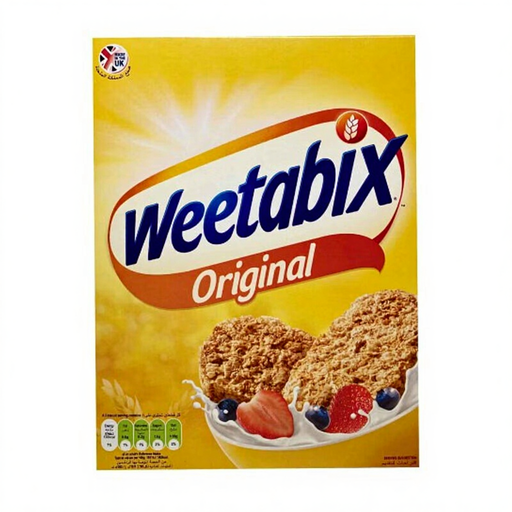 No image available
An option if you’re looking for a product made with wholegrain wheat instead of cornflakes. Check the preparation instructions for your child, along with the information about wheat, barley and other allergens on the pack.
 No image available
For a breakfast made with oats instead of cornflakes. Compare sugar and other nutritional values using the information on the pack, and check the allergen labelling if you have specific requirements.
 No image available
These oats may suit you if you’re looking for a variety labelled accordingly. If your child has coeliac disease or an allergy, the gluten-free labelling on the current pack is key to choosing the right product.
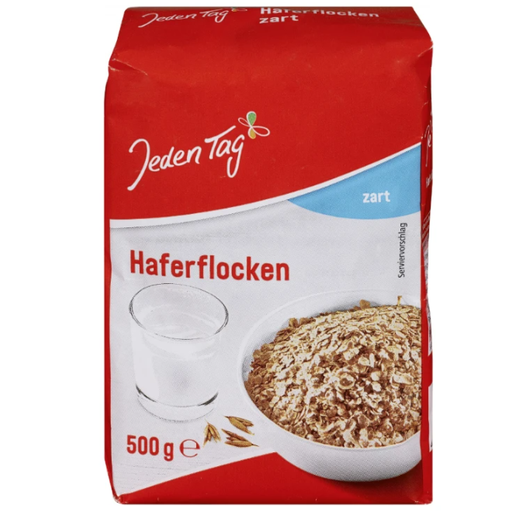 No image available
An oat-based alternative to cornflakes, if this product type suits the way you plan to prepare breakfast. Before buying, check the pack to confirm whether the specific product is flakes or flour.
 No image available
For families looking for unsweetened cornflakes instead of an oat- or wheat-based alternative. Don’t assume “unsweetened” means wholegrain, and check the information on the current pack carefully if you have specific requirements relating to gluten.
No. The product pages for REWE Bio and EDEKA Bio’s unsweetened cornflakes don’t state a wholegrain content. If wholegrain is your main priority, look for a named wholegrain ingredient or a stated wholegrain content for the specific variety.
No, because a wholegrain claim doesn’t also tell you the sugar content. Nestlé Cereals lists Cini Minis as containing 33% wholegrain and 24 g of sugar per 100 g. So compare the wholegrain information, ingredients and nutrition figures for the same variety.
No, you can’t make a general assumption about cornflakes. Kellogg's Germany lists barley malt as an ingredient in its Corn Flakes; other cornflake varieties may carry warnings about possible traces. The German Food Federation distinguishes between declared allergenic ingredients and voluntary traces warnings. If your child has coeliac disease or an allergy, check the current pack for the specific variety.
No. Child-focused packaging isn’t a reason to choose these cereals over others. Child Health Information says that specialist foods for children offer no health advantage over standard products; the ingredients and nutrition information for each variety are what matter when comparing them.