Breakfast shoppers who prioritise wholegrain
You want to find a clearly stated wholegrain content on your weekly shop, and are also considering wholegrain flakes, even though their taste and texture differ from classic maize cornflakes.


If wholegrain is a priority on your weekly shop, look for an explicit wholegrain statement: unsweetened maize cornflakes are not automatically wholegrain cornflakes. For Nestlé FITNESS, the manufacturer states that the product contains 61,1 % wholegrain wheat; EDEKA Bio unsweetened cornflakes, by contrast, are mainly made from maize. Also compare sugar and fibre per 100 g, and check the allergen information on the specific pack.
You want to find a clearly stated wholegrain content on your weekly shop, and are also considering wholegrain flakes, even though their taste and texture differ from classic maize cornflakes.
You buy cereal for several breakfasts, so you compare the sugar content per 100 g and the ingredients list rather than relying solely on a label such as ‘unsweetened’.
You need to check which grains and allergens a product contains before buying. Precautionary ‘may contain’ statements on the current pack may also be important when making your choice.
First decide whether wholegrain or the classic maize cornflake shape matters more to you. Then compare the nutritional information on a like-for-like basis, and choose a pack size and storage method that suit your household.
| Criteria | What to check | Who it matters to |
|---|---|---|
| Wholegrain and fibre | Check the wholegrain statement, any stated percentage and the fibre content per 100 g. The colour of the flakes is no substitute for this information. | If wholegrain is essential for my breakfast, I need a clear statement and may be happy to choose a different type of flake. This is the top priority for around 31 % of consumers. |
| Sugar and ingredients | Compare the sugar content per 100 g and check where sugar or syrups appear in the ingredients list. | When stocking up for several breakfasts, I don’t want to judge the ingredients based on the pack label alone. Around 31 % of consumers prioritise comparing sugar content. |
| Pack size and storage | Choose a pack weight and best-before date that match how quickly you’ll use it, and follow the storage instructions. | For my weekly shop, I want to buy only as much as we’re likely to use in time. This is the main concern for around 23 % of consumers. |
| Allergens and type of grain | Read the highlighted allergenic ingredients and any precautionary ‘may contain’ statements on the pack you’re actually buying. | If anyone in the household needs to avoid certain ingredients, the specific grain can influence the choice. This check is a priority for around 15 % of consumers. |
A low sugar figure doesn’t tell you whether the specific product states its wholegrain content. EDEKA24 lists EDEKA Bio unsweetened cornflakes as containing 99,4 % maize, but does not state a wholegrain maize content.
Check the wholegrain statement and sugar content separately.
‘Less sugar’ describes a comparison, not the absolute amount. The Verbraucherzentrale (consumer advice centre) points out that even a product with 30 % less sugar can still have a high sugar content.
Compare the sugar, fibre and salt figures per 100 g.
Pack size alone doesn’t tell you whether the contents will suit your weekly needs. When stocking up on flakes, the best-before date and storage instructions matter too.
Choose an amount your household is likely to use, and store the product as directed on the pack.
Wheat and spelt are gluten-containing grains. Packs of maize cornflakes may also carry precautionary ‘may contain’ statements that are relevant to your household.
Each time you buy, check both the allergenic ingredients and the latest precautionary statements.
A breakfast flakes range for shoppers looking for a clearly stated wholegrain percentage.
Classic maize cornflakes for households that value this type of cereal more than a stated wholegrain content.
The unsweetened organic cornflakes considered here are a maize flake option for shoppers who prioritise sugar content and ingredients.
The unsweetened organic cornflakes considered here are for shoppers who prefer a short ingredients list in their maize cornflakes.
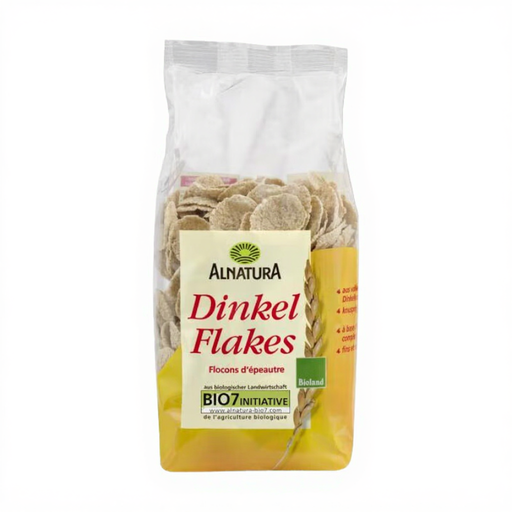
The organic spelt flakes considered here are an alternative if wholegrain matters more to you than the cornflake shape.
This selection includes oat and spelt flakes as alternatives to classic cornflakes, as well as wholegrain breakfast flakes. For your weekly shop, compare the exact product type and pack size.
 No image available
For households who would rather choose coarse rolled oats than maize cornflakes on their weekly shop. The pack contains 500 g; oats don’t have the classic cornflake shape.
 No image available
For a breakfast of spelt flakes instead of maize cornflakes. The pack contains 200 g; spelt flakes are a different type of grain and product from maize cornflakes.
 No image available
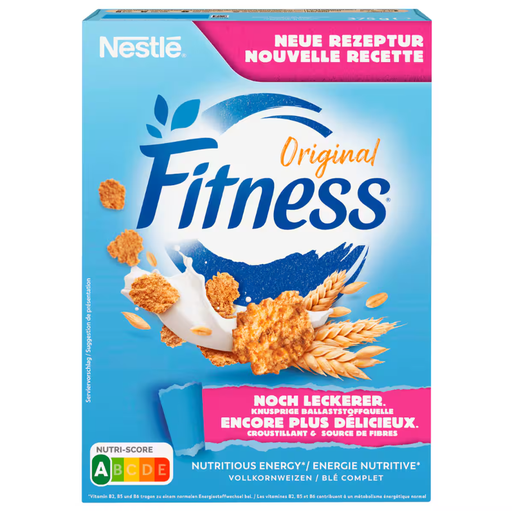
For shoppers looking for wholegrain breakfast flakes. The pack contains 375 g; check the ingredients and allergens for the specific variant rather than assuming information about other FITNESS products applies.
No. ‘Unsweetened’ doesn’t tell you the wholegrain content. EDEKA24 lists EDEKA Bio unsweetened cornflakes as containing 99,4 % maize; if you’re looking for wholegrain, check the relevant statement and ingredients list for the specific product.
The first ingredient on the list makes up the largest proportion by weight. The Lebensmittelverband Deutschland (German Food Federation) explains that ingredients are listed in descending order by weight; a percentage statement can also help you assess the amount of an individual ingredient.
Follow the storage instructions on the relevant pack. For the Kellogg’s, EDEKA Bio and Alnatura cornflakes considered here, the guidance is to store them in a dry place or away from heat.
No. A ‘may contain’ statement alone doesn’t establish whether a product is suitable for someone with a particular allergy. According to the Lebensmittelverband Deutschland (German Food Federation), ‘May contain traces of …’ is a voluntary warning about possible unintended contamination. Also check the allergenic ingredients on the current pack.