What matters when shopping for the family?
Start by comparing fibre and sugar per 100 g. Then check the ingredients for everyone who’ll be eating, and make sure the pack size and format suit your regular shop.
| Criterion | What to check when buying | Who it matters most to |
|---|
| Fibre |
Compare fibre per 100 g; also consider portion size for your own bowl. |
If fibre is a priority at family breakfast, I need the stated value rather than a guess based on the type of grain. Around 36% of consumers consider this their top priority. |
| Sugar and taste |
Compare ‘of which sugars’ and fibre per 100 g. |
I want a cereal everyone enjoys without losing sight of its sugar content. Around 29% of consumers give this balance the greatest weight. |
| Ingredients and allergens |
Check the current ingredients list, highlighted allergens and any precautionary ‘may contain’ statements on the pack. |
If someone in the family needs to avoid certain ingredients, suitability for them comes before comparing nutritional values. This check is the most important buying criterion for around 21% of consumers. |
| Pack planning |
Match the pack size and stated number of servings to your household’s needs. |
When buying regularly, I want to be able to work out how long a pack will last in our household. Around 14% of consumers prioritise this. |
Brands to help you choose
The information below relates to specific varieties considered here, not every product from each brand.
Kölln
The oat pillows considered here are a crunchy oat cereal for households looking to compare stated fibre content.
- REWE Deutschland lists 12 g of fibre per 100 g and 70% wholegrain oats for Kölln oat pillows.
- The same variety contains 15 g of sugar per 100 g; check the ingredients, too, if you have relevant allergies.
Nestlé
The Fitness and Cini Minis varieties considered here differ in cereal format and nutritional values.
- REWE Deutschland lists 10.3 g of fibre per 100 g for the Fitness product considered here.
- For Cini Minis, REWE Deutschland lists 6.4 g of fibre and 24 g of sugar per 100 g. The values for one variety can’t be applied to the entire range.
Kellogg's
Kellogg's Corn Flakes are the example of classic cornflakes considered here.
- Kellogg's Deutschland states that Corn Flakes contain 3.0 g of fibre and 8.0 g of sugar per 100 g.
- If you’re mainly looking for a higher fibre content, compare these figures with the nutritional values of other cereal formats.
REWE Bio
The unsweetened organic cornflakes considered here are an option for households that also want to compare sugar content.
- REWE Deutschland lists 4.1 g of fibre and less than 0.5 g of sugar per 100 g for REWE Bio unsweetened cornflakes.
- The fibre content of this variety is lower than the figures for the oat pillows and Fitness cereals considered here; check the current pack for precautionary allergen information.
GUT&GÜNSTIG
EDEKA sells cornflakes under its own GUT&GÜNSTIG brand. If you’re prioritising fibre, the figure on the specific pack is what counts.
- Classic cornflakes are an option if your household prefers cornflakes.
- Check the nutritional values, ingredients and allergens on the pack you choose before comparing it with other varieties.
Cereals and oats at Joybuy
This selection includes crunchy wholegrain cereals, as well as porridge oats and wheat biscuits as different breakfast options. If you specifically have cornflakes on your shopping list, oats and biscuits aren’t like-for-like alternatives.
 No image available
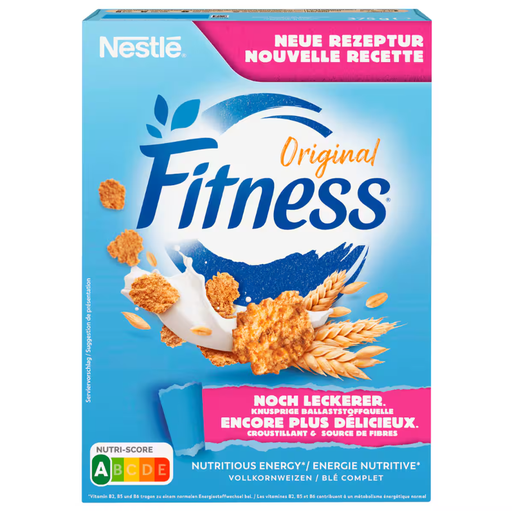
Nestlé Fitness Original Whole Grain Cereal 375 g
For households considering crunchy wholegrain flakes instead of cornflakes. The pack contains 375 g; compare fibre and sugar per 100 g for this specific variety, and check the current labelling if you have relevant allergies.
View at Joybuy
 No image available
Jeden Tag Coarse Rolled Oats 500 g
For a breakfast of porridge oats instead of crunchy cornflakes. You can match the 500 g pack to your household’s needs; if you have allergies, the ingredients and precautionary information on the current pack are what matter.
View at Joybuy
 No image available
Kölln Fine Porridge Oats 500 g
For households that prefer fine oats as a breakfast staple. This 500 g pack is a different product from the Kölln oat pillows mentioned above; their nutritional values shouldn’t be applied to these oats.
View at Joybuy
 No image available
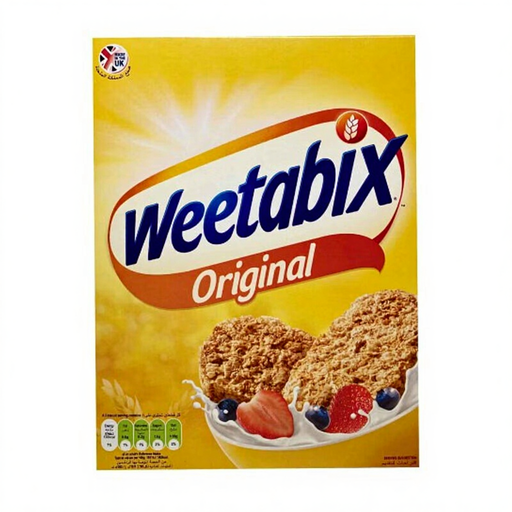
Weetabix Original Wholegrain Wheat Cereal Biscuits 430 g
For households who like the idea of wheat biscuits for breakfast. The 430 g pack contains neither cornflakes nor loose flakes; before buying, check that the format and ingredients suit everyone who’ll be eating them.
View at Joybuy
 No image available
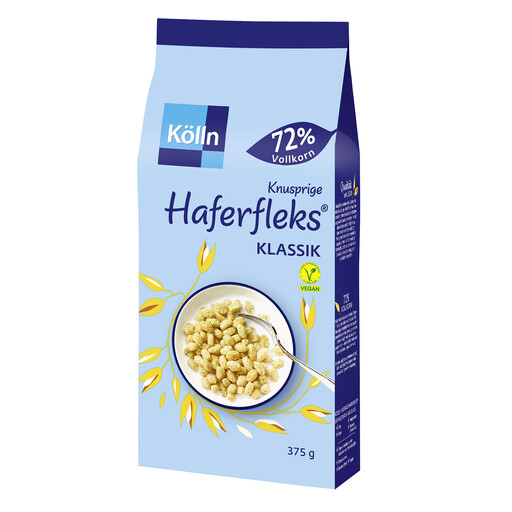
Kölln Crunchy Classic Oat Pillows 375 g
For households that prefer crunchy oat pillows to porridge oats or cornflakes. The nutritional information and ingredients for this 375 g variety are what count; figures for other Kölln oat pillows don’t automatically apply to this product.
View at Joybuy
Frequently asked questions
Are classic cornflakes automatically high in fibre?
No, you can’t tell the fibre content from the word ‘cornflakes’. Kellogg's Deutschland lists 3.0 g per 100 g for Corn Flakes, while REWE Deutschland lists 4.1 g per 100 g for REWE Bio unsweetened cornflakes. If fibre is an important factor in your choice, compare the nutritional information on each pack.
Is a high wholegrain content enough to help me choose?
No, wholegrain content doesn’t replace checking the specific nutritional information. The German Nutrition Society describes wholegrain as a fibre-containing choice of grain, but the amount of fibre and sugar in a breakfast cereal still depends on its individual recipe.
What should I look for on a cereal pack if I have allergies?
Check the ingredients list, highlighted allergens and any relevant precautionary information on the current pack. According to the Federal Office of Consumer Protection and Food Safety, cereals containing gluten, milk, soya, peanuts and nuts are among the 14 major allergens that must be labelled.
How can I plan cereal shopping for a large household?
Compare the pack size and stated number of servings with how much your household gets through. The nutritional information and ingredients on the specific pack you choose also matter when selecting a variety you’ll buy regularly.


