Shoppers with a specific calorie target
You want to know whether a crunchy corn snack can genuinely be described as ‘low calorie’. The energy value per 100 g is a more useful guide than the packaging design or the serving information alone.


To choose a lower-calorie corn snack for the new school term, first compare the nutrition information per 100 g, then decide how much to pack in the lunchbox. Lebensmittelklarheit states that, for solid foods, the claim ‘low calorie’ means no more than 40 kcal per 100 g; the dry snacks mentioned here are all above that figure. If the snack is intended for a school break, breakfast and the other parts of the snack also matter.
You want to know whether a crunchy corn snack can genuinely be described as ‘low calorie’. The energy value per 100 g is a more useful guide than the packaging design or the serving information alone.
You’re looking for an easy snack to add to a school lunchbox and want to check how much to pack. Depending on the variety, sugar, salt, ingredients and allergen information can also help you decide.
You’re wondering whether a small portion of crunchy snacks will be enough for break time after breakfast. Schule + Essen explains how the size of breakfast affects the snack needed between meals.
Start by comparing the energy value per 100 g. Then decide how much to pack and what role the snack should play in the overall school break.
| What matters | What to check when buying | Who it matters to |
|---|---|---|
| Calorie information | Energy value per 100 g; for the ‘low calorie’ claim on solid foods, the criterion explained by Lebensmittelklarheit: no more than 40 kcal per 100 g. | If ‘low calorie’ is the deciding factor, I don’t want to classify a snack as such just because the portion is small. Around 46% of shoppers put this check first. |
| Portion size | The amount you plan to pack in the lunchbox; check sugar for sweet varieties and salt for savoury ones in the nutrition information. | For a short break, I want to pack a handy snack and choose the portion size myself. This practical approach to portioning is a priority for around 27% of shoppers. |
| Its role in the school break | The size of breakfast and the other parts of the snack. | After a small breakfast, break time should be more than just a crunchy snack. Around 27% of shoppers therefore focus first on putting together a balanced snack. |
Lorenz promotes ErdnußLocken Leicht as having 30% less fat than standard peanut flips. This comparison doesn’t tell you the energy value per 100 g.
To check your calorie target, look at the energy value in the nutrition table rather than drawing conclusions from the fat information.
Chio states that Ready Made Popcorn Sweet & Salty contains 122 kcal per 30-g serving; funny-frisch lists 506 kcal per 100 g for Cornados Sweet Chili. These figures use different reference amounts, so they can’t be compared directly.
Compare products per 100 g first, then decide how much to pack in the lunchbox.
Schule + Essen points out that a more substantial snack is needed between meals when breakfast is smaller.
If necessary, plan the corn snack as one part of a school-break meal alongside other foods, rather than relying on a small portion of crunchy snacks on its own.
Corn as the main ingredient doesn’t tell you what other ingredients or precautionary allergen statements a particular product may have. For example, REWE states that Gusto Pufuleti Mais-Snack may contain traces of milk, gluten and peanuts.
If allergies are a concern, check the ingredients and allergen information on the pack you’re buying.
A dry corn snack with specific nutrition information that you can compare with other crunchy snacks.
The range includes Mais Dinos, a salted corn snack in a 60-g pack.
The products considered here include ready-to-eat popcorn and seasoned corn tortillas. These are two different types of snack.
Cornados Sweet Chili is a seasoned corn snack for shoppers looking for a crunchy addition to their break.
ErdnußLocken Leicht is a peanut flip product made with corn semolina, not a like-for-like substitute for every corn snack.
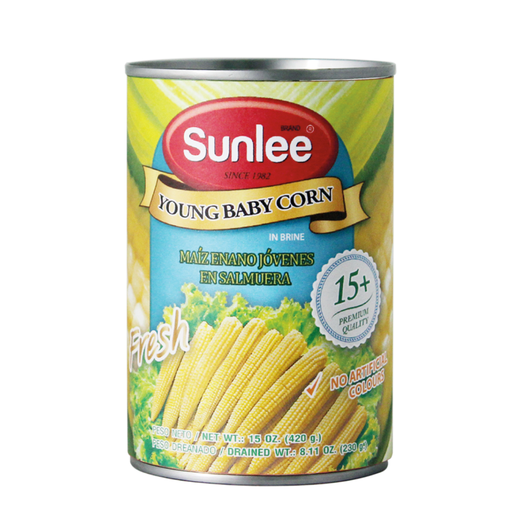
If you’re considering baby corn as part of a school-break meal instead of a dry, crunchy snack, this corn alternative may be worth a look. When comparing it with snacks, the nutrition information on the pack and the basis on which it’s given are key.
 No image available
Baby corn is an option as a side if you’re not looking for a dry, crunchy corn snack.
Pack size: 420 g. Before buying, check the energy value per 100 g and what state of the product the information refers to.
No, the serving information alone isn’t enough to tell you that. Lebensmittelklarheit states that, for solid foods, the ‘low calorie’ claim means no more than 40 kcal per 100 g, so check this figure on the pack first.
First compare the nutrition information per 100 g, then consider how much you’ll actually pack. As well as the energy value, sugar, fat and salt may also be relevant to your decision.
A small portion of crunchy snacks won’t necessarily make a substantial snack between meals. Schule + Essen explains that a more substantial snack is needed when breakfast is smaller; make sure you plan for the other parts of the break-time meal too.
Yes. If allergies or intolerances are relevant to your choice, check the specific pack. Products with corn as their main ingredient may still contain other ingredients or carry precautionary allergen statements; REWE states that Gusto Pufuleti Mais-Snack may contain traces of milk, gluten and peanuts.