Cortado fans short on worktop space
If you want to make espresso and warm milk without using a second hob, consider not only the machine’s width but also the space you need to use it and access to a power socket.


If you want to make a cortado without a second hob, consider an electric espresso machine with an integrated steam wand or milk function. A separate milk appliance, on the other hand, needs extra space and its own power socket. Choose based on the space available for the machine and for using it, and whether you want to control the milk quantity and texture yourself or make the process simpler. No machine type alone guarantees the right balance of espresso and milk.
If you want to make espresso and warm milk without using a second hob, consider not only the machine’s width but also the space you need to use it and access to a power socket.
If you want to get the milk quantity and texture just right for a small cortado, compare manual steam wands with machines that offer adjustable automatic milk functions.
If you usually make one serving at a time, weigh up the convenience of making espresso against the steps involved in preparing and cleaning the milk system, as well as the ongoing cost of coffee or capsules.
A good fit if: you want to make espresso and milk with one machine and control the texture yourself.
Bear in mind: dosing, frothing and cleaning are still manual tasks; allow space to operate the machine, too.
A good fit if: you want to make espresso yourself but have less control to manage when texturing the milk. Sage lists three temperature and three texture settings for the Bambino Plus.
Bear in mind: an automatic steam wand still doesn’t grind or dose the coffee, or take care of cleaning.
A good fit if: you want the machine to grind the beans and make your coffee with just a few button presses. The Philips EP2220/10 lets you choose the drink volume and strength.
Bear in mind: being able to adjust the coffee volume doesn’t mean the machine has a suitable cortado programme; preparing the milk may still require a separate step.
A good fit if: you want to make espresso one capsule at a time. According to the manufacturer, the Nespresso Creatista Plus has an automatic steam wand.
Bear in mind: the capsule system limits your choice of coffee and compatible consumables; check the machine’s dimensions and cleaning requirements, too.
| Buying priority | What to check | Who is it important to? |
|---|---|---|
| Footprint and operating space | Measure the width, depth and height of the exact model, and allow room for the portafilter, access to the tank and a milk jug. | If worktop space is limited, I need room to operate the machine as well as space for the machine itself. Around 36% of consumers say footprint is their main priority. |
| A small portion of warm milk | Check whether you can adjust the espresso and milk quantities separately, and whether the milk can be warmed without being heavily frothed. | For a cortado, I want to be able to prepare a small portion of milk with the right texture. Around 29% of consumers prioritise milk quantity and texture. |
| Fewer steps | Compare the whole process, from making the espresso to preparing the milk, along with the cleaning steps afterwards. | If I usually make one serving at a time, I want a straightforward process without unnecessary extra steps. Around 21% of consumers prioritise ease of use. |
| Consumables and care | Check which capsules or beans the exact model uses, along with its cleaning and descaling requirements. | If you’re keeping a close eye on ongoing costs and upkeep, compare consumables and regular cleaning tasks before choosing. Around 14% of consumers make this their top priority. |
The cortado recipe described by Nespresso Germany calls for roughly equal amounts of espresso and warm milk, lightly frothed at most. So it’s worth checking the milk quantity and texture separately, rather than relying on the name of a drinks programme.
Even a narrow machine needs room to insert the portafilter, move the milk jug and access the tank or controls.
Measure the whole operating area, including depth and height. If you’re buying a separate milk frother, include the space it needs in your plans, too.
A drinks programme doesn’t guarantee that the machine can make the small amount of espresso and warm milk you want for a cortado.
Check whether you can adjust the espresso and milk quantities separately on the exact model.
Individual technical specifications don’t describe the full process of making espresso and preparing milk. For example, Sage lists pump pressure and extraction method separately for the Bambino Plus; the stated time for the heating system to be ready doesn’t cover the entire drink-making process.
Compare the whole process and milk function, rather than looking at a single performance figure.
Depending on the machine type, you’ll need compatible capsules or coffee beans. Milk residue and limescale also call for regular cleaning.
Before choosing, check which consumables you’ll need and read the care instructions for the exact model.
The Dedica Style EC685.M EX:4 is a slim manual espresso machine with a milk wand, designed for smaller worktops.
The Bambino models are aimed at people who want to make espresso themselves; the Bambino Plus adds automatic milk texturing.
The ORIGINAL Creatista Plus pairs espresso made from capsules with an integrated automatic steam wand.
The Series 2200 EP2220/10 makes espresso from freshly ground beans and has a classic milk frother.
The Classic E24 is a manual espresso machine with a steam wand, suited to those with room for a machine that requires hands-on use.
This selection includes bean-to-cup coffee machines and espresso machines with an integrated milk function or steam wand. The right option for you depends, among other things, on how much room you have to operate the machine and how much you’re happy to do by hand.
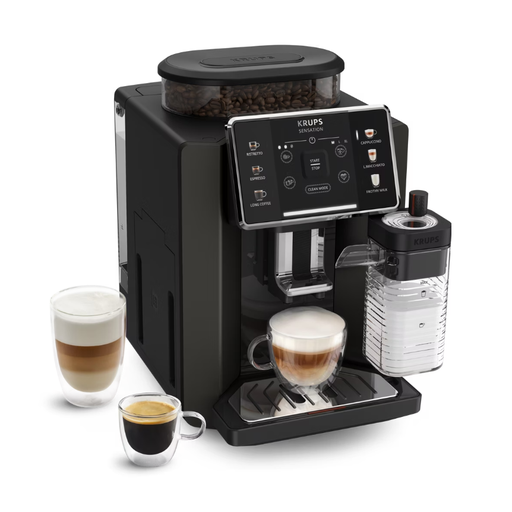 No image available
An option if you want to make espresso and milk-based drinks with a bean-to-cup machine; the stated milk frothing quantity is adjustable.
Integrated grinder and removable milk jug.
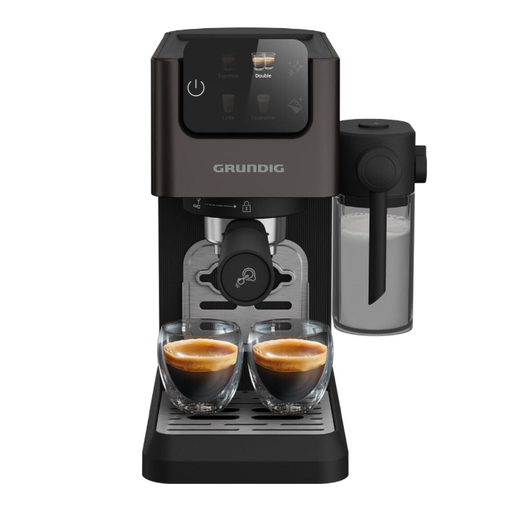 No image available
Worth considering if you want espresso and automatic milk frothing in one machine.
Ground coffee and a portafilter are used to make the espresso. Stated dimensions: approx. 42,5 × 20,5 × 31 cm; allow room to operate the machine, too.
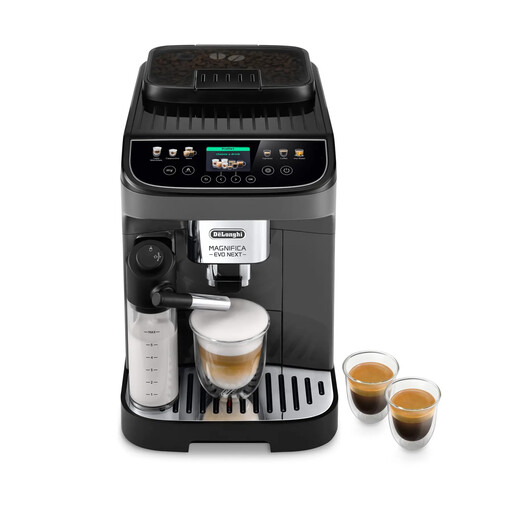 No image available
A bean-to-cup option if you want to make coffee and milk-based drinks and adjust the drink and milk quantities.
Integrated grinder and, according to the product description, an automatic cleaning function for the milk system. Dimensions: 24 × 44 × 36 cm.
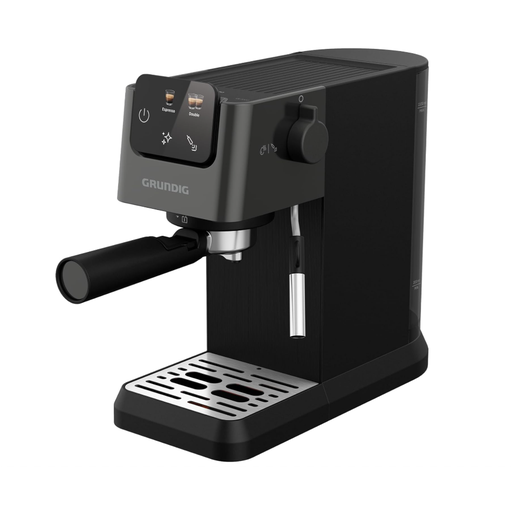 No image available
This type of machine could suit you if you want to make espresso and milk with one appliance and are happy to froth the milk yourself.
Ground coffee is used in the portafilter. Stated dimensions: approx. 14,5 × 31 × 42,5 cm; depth and operating space matter as well as width.
 No image available
A good fit if you want to make espresso and milk with one machine and froth the milk manually using the steam wand.
No integrated grinder; you’ll need to dose and tamp ground coffee. Dimensions: 149 × 330 × 305 mm; allow extra room for the milk jug and to operate the machine.
No. An electric espresso machine can make the espresso and use its steam wand to warm the milk. You can also use a separate electric milk appliance, but it will need its own space and power socket.
No. The cortado recipe described by Nespresso Germany calls for roughly equal amounts of espresso and warm milk, lightly frothed at most. So check whether the machine you’re considering can prepare a small portion of milk to suit.
For a steam wand, De’Longhi recommends wiping off milk residue straight away and briefly releasing steam. For the L’OR Barista milk frother, Philips describes regularly cleaning the removable parts. In each case, follow the instructions and descaling advice for the exact model.
For consumers buying online in Germany, there is generally a 14-day right to cancel, starting from the day the goods arrive. Your statutory rights against the seller are separate from any voluntary manufacturer’s or retailer’s guarantee; the Verbraucherzentrale explains both.
No. For electrical appliances that require the mark, the manufacturer declares, under its own responsibility, that the product meets the relevant requirements. The CE mark is not an independent quality seal. A mains-powered espresso machine covered by the EU Low Voltage Directive must meet the relevant requirements for equipment operating at 50 to 1.000 V AC. The mark alone does not confirm that a specific version for sale complies.