
当日/次日达

品质保障

开启新人专享福利: 全场免邮 | 低至 2 折 | 免费试用 30 天 JoyPlus 会员
下载 Joybuy
Cosmetic sticks are handy for your handbag, travel and quick applications without any extra accessories. A blush stick, bronzer stick, lip balm or SPF 50+ sun protection stick is easy to apply precisely and store without taking up much space. But product claims don’t always lead to the right buying decision. What matters is the formula, where you can use it and how well it fits into your everyday routine.
A make-up stick may be described as suitable for several areas of the face. That doesn’t mean its texture and shade will work equally well everywhere. A creamy blush stick may blend easily on your cheeks, but feel too soft or look too shiny around your eyes. Check which areas the manufacturer specifically recommends using the product on.
Words such as “natural”, “nourishing” or “with plant extracts” don’t tell you much on their own about how well a product will suit your skin. Even natural lip care can contain fragrance, essential oils or beeswax. If you have sensitive skin, it’s worth checking the full INCI list. Always refer to the packaging, as formulas can change.
Applying a product directly is convenient when you’re out and about, but it means repeated contact with your skin, lips or hands. Make sure the cap on your lip balm or make-up stick closes securely. A sun protection stick is easy to reapply, but you should still follow the manufacturer’s instructions. Stop using the product if you notice any changes in its smell, colour or consistency.
Creamy, buildable formulas are usually a good choice for a natural look. A blush stick with light coverage can be applied straight to your cheeks and blended with your fingers, a brush or a sponge. With a bronzer stick, shade, undertone and blendability are particularly important to help avoid a patchy-looking contour.
Depending on its formula, a highlighter stick can give you anything from a subtle sheen to visible shimmer particles. If you’re using a product around your eyes, check whether it’s specifically designed as an eyeshadow stick. Avoid applying products containing fragrance or chunky glitter close to your eyes unless the packaging says they’re suitable for that area.
Check:
“Vegan” means the product doesn’t contain animal-derived ingredients, but it doesn’t mean it’s suitable for every skin type. If you have sensitive lips, pay particular attention to fragrance, essential oils and beeswax in a lip balm stick.
An SPF 50+ sun protection stick is handy for reapplying to suitable areas of skin. For effective protection, it’s important to apply it evenly and reapply regularly as directed by the manufacturer. The amount used when applying directly can vary considerably from person to person.
With a clay mask stick, ingredients such as kaolin, bentonite and other absorbent components are worth noting. Clay masks are generally applied to cleansed skin and then removed according to the product instructions. If you have dry or sensitive skin, don’t extend the recommended application time on your own.
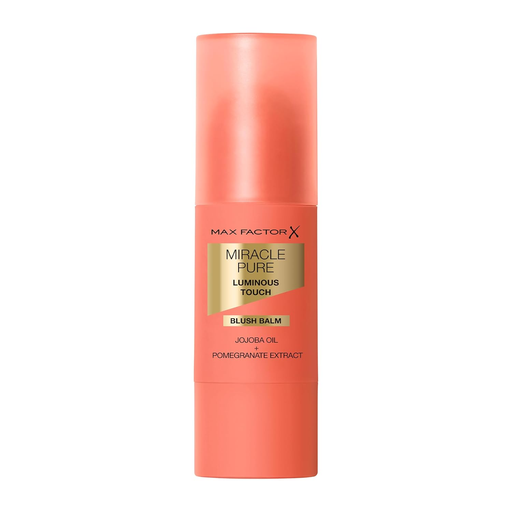
Why it suits this profile: The creamy texture is described as buildable and can be blended with your fingers, a brush or a sponge. This makes the stick a good choice for simple cheek looks without the need for specialist tools.
You can build up the colour gradually, so beginners don’t have to start with a highly pigmented formula.
Described as vegan and dermatologically tested, and formulated with jojoba oil and pomegranate extract.
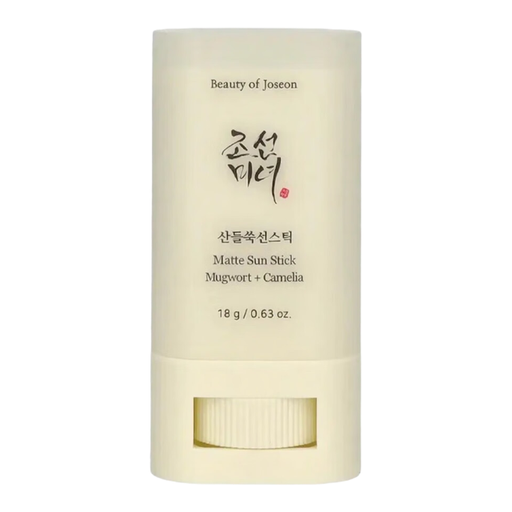
Why it suits this profile: This stick is designed for reapplication on the go and is described as offering SPF 50+ protection with UVA and UVB filters.
The SPF rating is clearly stated. You should still follow the guidance on how much to apply, how often to reapply and the instructions on the packaging.
Compact format, a matte finish according to the product description, and stated suitability for the face and body.
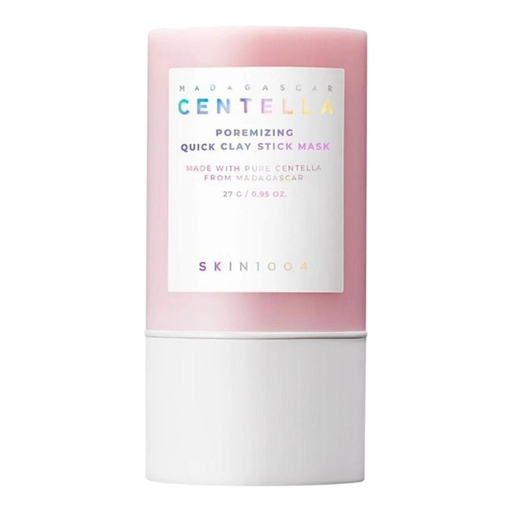
Why it suits this profile: The clay mask stick lets you apply the product precisely and is designed for regular facial skincare without the need for a pot.
The formula and intended use as a mask are more clearly defined than a vague “one product for everything” claim. Avoid the eye area and any broken skin.
Contains 27 g, with kaolin, bentonite and Centella asiatica extract according to the product information.
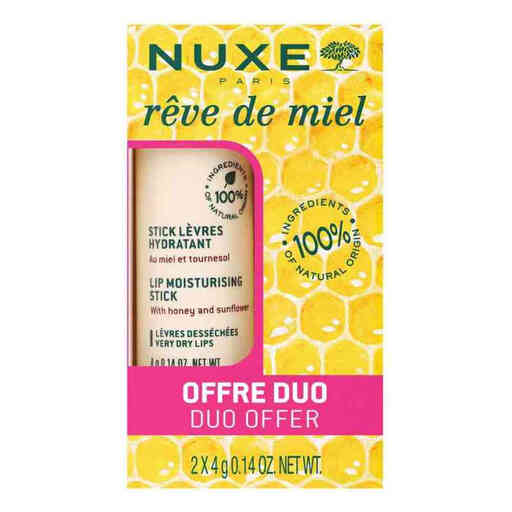
Why it suits this profile: This duo set is for anyone who uses a lip balm regularly at home and on the go, or wants to keep one stick in two different places.
The set contains two individual sticks, so you don’t have to keep carrying one product between different places.
Described as containing honey extract and organic sunflower oil; also contains fragrance ingredients such as limonene and citral.
We’ve put together a complete, regularly updated list of products that meet these strict selection criteria and fully comply with the safety regulations in force in the EU.
When looking for lip care for dry lips, the nourishing ingredients, fragrance and how well a product suits you matter more than eye-catching packaging. A lip balm stick with UV filters may be a good choice for everyday use, but make sure you use it as directed. If you know you’re sensitive to beeswax, lanolin or fragrance, take extra care when choosing a product that contains them.
If you’re looking for vegan cosmetics, check the label on the specific product. Products from the same brand can differ in formula and certification. “Natural lip care” isn’t a standardised or protected quality claim covering all ingredients either.
Check the best-before date, batch information and the symbol indicating how long the product can be used after opening. Store sticks in a dry place, with the cap firmly closed, and avoid leaving them in direct sunlight or excessive heat for long periods. Dispose of the product if you notice any changes in its smell, colour or consistency.
Start by dabbing a small amount onto your cheeks, then blend it with clean fingers, a brush or a sponge. With creamy formulas, building up the colour in layers is usually easier to control than applying a thick layer straight from the stick. Before buying, check the shade, finish and stated coverage.
An SPF 50+ stick can make it easier to top up your sun protection. However, the level of protection you get depends on applying enough product evenly and reapplying it regularly. Follow the instructions on the packaging and avoid prolonged exposure to direct sunlight.