Occasional apron ironers
If you only iron a few aprons, an iron that’s easy to handle across large areas of cotton may be just as important as how well it handles ties and pockets.


For one or two cotton aprons, a traditional steam iron is an obvious choice. If you regularly iron several aprons, a steam generator with a larger tank can mean fewer breaks to refill it. The care label, how easy it is to handle ties and seams, and the space and maintenance required are all important. A high steam boost figure alone doesn’t tell you how long ironing will take or whether steam is suitable for a particular apron.
If you only iron a few aprons, an iron that’s easy to handle across large areas of cotton may be just as important as how well it handles ties and pockets.
If you regularly iron several aprons one after another, tank capacity and refilling become more important, along with the space the appliance takes up and the maintenance it needs.
If an apron has prints or other delicate details, consider the care label, temperature and steam separately rather than relying on the fact that the fabric is cotton.
A good choice if: you iron one or a few aprons and want an iron you can guide directly over the fabric, seams and ties.
The trade-off: An integrated tank may need refilling more often when ironing several aprons; manufacturers’ steam figures aren’t measured ironing times.
A good choice if: you regularly iron larger batches and have room for the generator and its hose.
The trade-off: You’ll need extra space and must maintain the descaling system. A larger tank doesn’t guarantee you’ll save time when ironing just a few aprons.
A good choice if: the care label rules out steam but allows ironing.
The trade-off: Without steam, you won’t have the same help with stubborn creases. Don’t exceed the maximum permitted temperature.
| What matters | What to check when buying | Who it matters most to |
|---|---|---|
| Smoothing cotton fabric | Check the care label, suitable temperature and steam settings, and continuous steam output. A steam boost figure doesn’t describe continuous steam. | If I want to tackle large areas of fabric and noticeable creases, I look for suitable heat, steam and ease of handling. Around 37% of consumers put smoothing cotton fabric first. |
| Ironing several aprons | Compare how many items you’ll iron per session, tank capacity, refilling options and the space the generator takes up. | If you iron several aprons one after another, you’ll want to reduce breaks to refill without overlooking the space you’ll need. Around 27% of consumers prioritise larger batches. |
| Ties, pockets and seams | Check the tip shape and how easy the specific iron is to handle. High steam figures are no substitute for precise control. | When working on narrow edges and seams, I want to be able to guide the iron precisely. Around 18% of consumers put working on apron details first. |
| Space, fabric protection and maintenance | Check the care label, that you have a dry work surface, the space required, descaling needs and the functions specifically listed for the exact model. | If I want to protect delicate details and find a suitable place for the appliance in my utility room, the settings and maintenance matter. Around 18% of consumers prioritise space, fabric protection and maintenance. |
The care label on the specific apron tells you how it can be treated. GINETEX Germany explains that care labels are intended to prevent irreversible damage during treatment. Steam can cause moisture to condense on the ironing-board cover, which Philips describes as one possible cause of water leaking from an iron. So make sure you have a suitable, dry place to work, and factor in the maintenance your appliance needs.
The care label sets the limits for treating the whole garment. The wrong setting could damage delicate details.
Check the label on the specific apron before ironing, and adjust the temperature and steam accordingly.
Steam boost, continuous steam and tank capacity are different specifications. A steam generator also needs extra space.
If you’ll be ironing for longer stretches, compare the continuous steam and tank specifications. Also check that the generator will fit in your utility room.
Safety features can vary between model versions. Rowenta states in its technical specifications that the DW7320 does not have automatic shut-off.
If this feature matters to you, check the specifications for the exact model version before buying.
Philips lists limescale and condensing steam as possible causes of water or moisture on the ironing board.
Follow your model’s descaling instructions and check the cover and steam setting if you notice moisture.
The product range includes everything from traditional steam irons to steam generators.
The Ultragliss Plus FV6830E0 is an example of a traditional steam iron with an anti-scale collector.
The TexStyle 9 SI9682DB is an example of a steam iron with an iCare setting and a limescale collection system.
The Everlast Anticalc DW7320D1 is an example of an iron with a precision tip, anti-drip function and removable limescale collector.
The products below include traditional steam irons for individual aprons and steam generators for repeated ironing sessions. For a mains-powered appliance, check the labelling and conformity information for the specific listing. The European Union explains that the manufacturer uses the CE marking to declare compliance with relevant regulations; it isn’t an independent quality mark.
 No image available
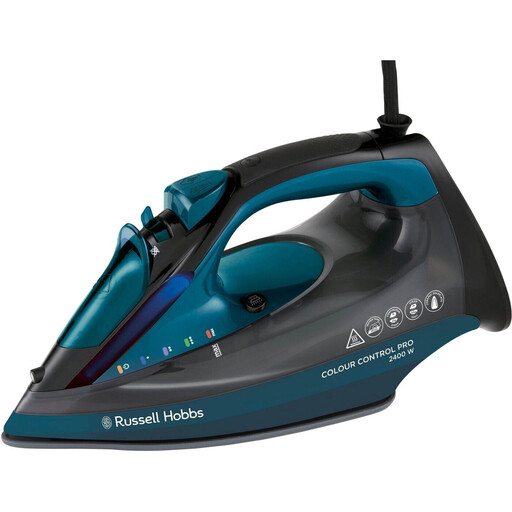
Could suit cotton fabrics if you want to adjust the temperature and steam on the iron.
The product information lists 45 g/min continuous steam, a 380-ml water tank, a temperature setting, and descaling and self-cleaning functions.
 No image available
Could suit longer ironing sessions if you’re looking for a traditional steam iron with an anti-drip function.
The product information lists up to 40 g/min continuous steam, a 250-ml water tank and a stainless steel soleplate.
 No image available
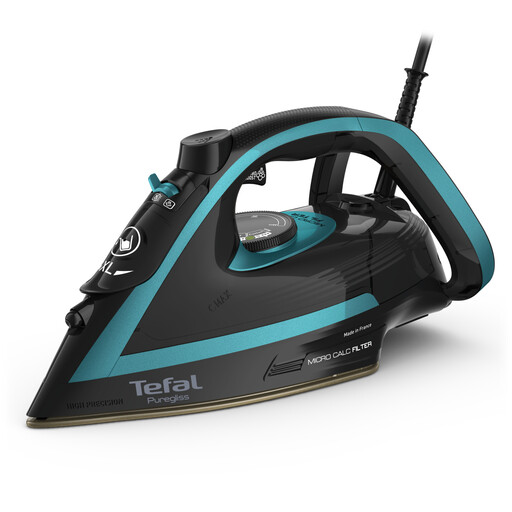
Could be worth considering for longer ironing sessions if you want to compare continuous steam and limescale care features.
The product description lists up to 50 g/min continuous steam, a Micro-Calc filter, a self-cleaning function and automatic shut-off.
 No image available
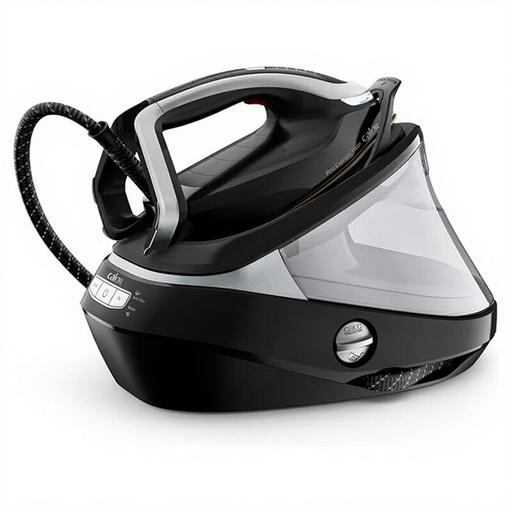
Could suit you if you regularly iron several aprons and have room for a steam generator.
The product information lists a removable 1.2-l tank, adjustable temperature and continuous steam.
 No image available
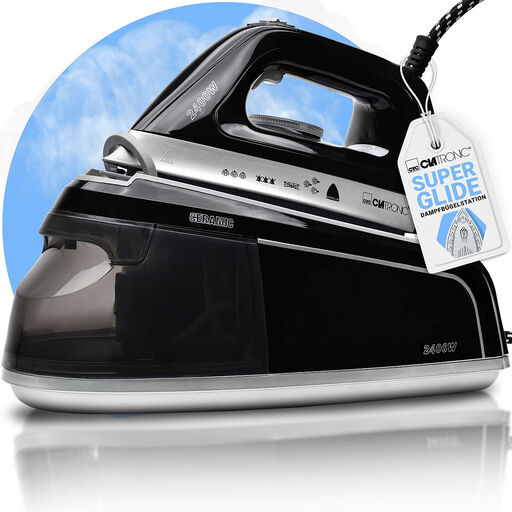
Could suit you for several ironing sessions if you’re looking for a generator with a removable tank and adjustable temperature.
The product description lists a removable 1.2-l tank, continuously adjustable temperature control, 11 steam nozzles and up to 90 g/min steam.
No. The care label on the specific apron is what matters, not just the fact that it’s made from cotton. It sets the maximum permitted treatment. If it rules out steam, iron without steam; if ironing itself isn’t allowed, don’t iron it.
Check your model’s instructions and let it reach the correct operating temperature. Philips lists condensing steam, limescale, using the steam boost too often and, on models with a temperature control, setting the temperature too low for steam ironing as possible causes.
Unplug the iron before cleaning the outside and let it cool completely. Tefal warns against using abrasive products, as they can damage the soleplate. Follow your model’s instructions for descaling.
When you buy from a business seller, you’re generally entitled to a statutory guarantee of at least two years. Distance purchases generally come with a 14-day right to cancel from the date of delivery; exceptions and conditions apply. The European Union distinguishes these statutory rights from an additional manufacturer’s warranty.
No. For electrical appliances covered by the requirements, the manufacturer uses it to declare compliance with the relevant EU rules; it isn’t an independent quality mark. Check the labelling and conformity information for the specific listing.