Ironing aprons with limited space
You want to iron cotton aprons on a flat surface without leaving an ironing board set up all the time. Brabantia specifically describes its ironing blanket as suitable for steam ironing.


For one or a few cotton aprons, a steam iron paired with a stowable surface specifically suitable for steam ironing is a straightforward option, provided you have a stable table and a safe place to rest the hot iron (Brabantia). If you have a larger pile to get through, a steam generator with a larger tank may be a better fit, as long as you have enough safe space for the base, hose and ironing surface too. Always follow the care label on the individual apron for temperature and steam settings (Tefal Deutschland; GINETEX Germany).
You want to iron cotton aprons on a flat surface without leaving an ironing board set up all the time. Brabantia specifically describes its ironing blanket as suitable for steam ironing.
You have a larger pile to get through and are weighing up a bigger water tank against the extra space needed for a steam generator. Tefal lists a 1.4-l tank for the SV6115.
Alongside the cotton fabric, you also need to take prints, trims and the care label on the finished garment into account. GINETEX Germany explains how ironing symbols indicate temperature and whether steam can be used.
A good fit if: You can iron one or a few aprons on a flat surface and don’t want to leave an ironing board set up all the time.
The trade-off: You’ll still need a table, a suitable ironing surface and a safe place to rest the hot iron. The smaller tank may also need refilling during longer ironing sessions.
A good fit if: You often iron lots of aprons one after another and have a safe place for the base as well as room for the ironing surface.
The trade-off: Tefal lists a 1.4-l tank for the SV6115, but the base and steam hose still need space.
A good fit if: You want to freshen up a hanging apron and can’t set up a flat ironing surface.
The trade-off: There’s no evidence that it will give you the same pressing results for crisp edges or ironing cotton aprons over a flat surface.
Brabantia specifically describes its 65 × 120 cm ironing blanket as suitable for steam ironing; this doesn’t mean that any blanket will do. The apron’s care label tells you which temperature to use and whether steam ironing is allowed (GINETEX Germany).
| What to consider | What to check before buying | Who should pay particular attention |
|---|---|---|
| Flat ironing surface | Is the surface specifically suitable for steam ironing, and do you have a stable table and a safe place to rest the iron? | If I want to press aprons on a flat surface but don’t want to leave an ironing board set up all the time, I look for a stowable option. Around 36% of consumers prioritise space-saving ironing. |
| Caring for details | Check the care symbol on the individual apron; GINETEX Germany specifies that the 110 °C setting is for ironing without steam. | If you want to protect prints or trims and follow the care label on the finished garment, check the temperature and steam settings beforehand. Around 29% of consumers put ironing results and fabric care first. |
| Longer ironing sessions | Check the tank capacity of the exact model; Tefal lists 270 ml for the FV6830 and 1.4 l for the SV6115 steam generator. | If I’m ironing several aprons one after another, a larger tank matters to me—as long as there’s enough safe space for the base, hose and work surface. Around 21% of consumers prioritise longer ironing sessions. |
| Cleaning and descaling | Check the maintenance instructions for the exact model; Philips Deutschland says limescale can cause stains, leaks or reduced steam output. | If you want to keep cleaning and maintenance as simple as possible, compare the steps required for the specific appliance. Around 14% of consumers put ease of maintenance first. |
The care symbol on the finished apron determines how it can be treated. The lowest ironing setting means ironing without steam (GINETEX Germany).
Check the label on each apron before ironing and set the temperature and steam accordingly.
Even a steam generator described as compact has a separate base and steam hose, as well as the ironing surface and a safe place to set it down.
Plan for the whole set-up in the space where you’ll actually be ironing—not just the footprint of the base.
Model names and specifications can vary, so a comparison is only useful if it matches the exact appliance on offer.
Check the full model number and key details in the listing against the manufacturer’s information for that exact version.
The examples below refer to the models and product ranges mentioned. They are not a general assessment of every appliance from each brand.
Tefal offers hand-held steam irons such as the FV6830 and steam generators such as the SV6115 as different types of appliance.
The TexStyle 3 SI 3055 BK is a hand-held steam iron with a precision tip.
The range includes hand-held irons and handheld garment steamers for different ironing needs.
The Focus Excel DW5310 offers manual steam and temperature settings, as well as a precision tip.
The BA 3210 is a hand-held steam iron with a ceramic soleplate, anti-drip function and self-cleaning feature.
This Joybuy selection includes steam irons and portable ironing appliances that may be worth considering if you need to save on storage space.
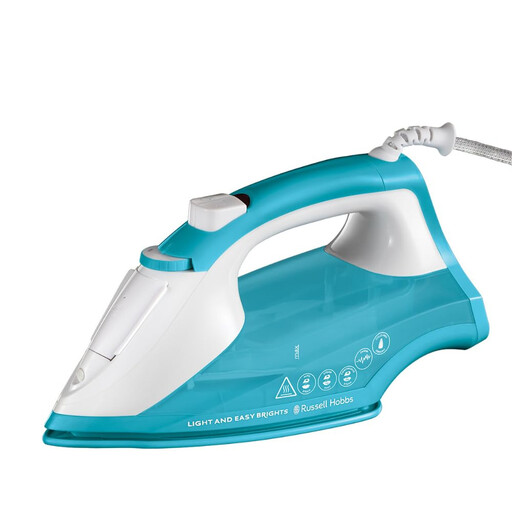 Image unavailable
Described as a steam iron for use on a flat ironing surface; make sure the table and surface are suitable for your needs.
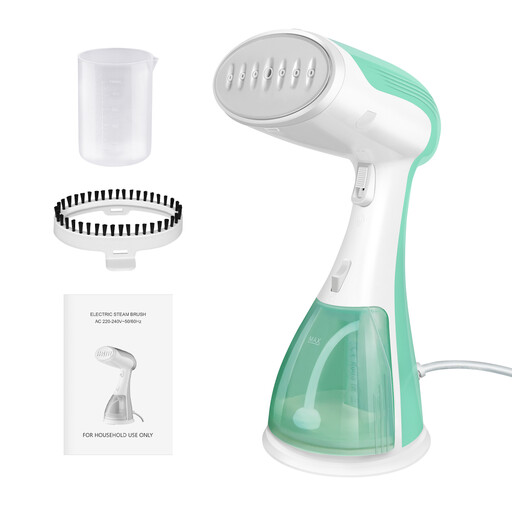 Image unavailable
The portable design may suit limited storage space; check whether the specific product lets you iron your aprons over a flat surface.
The product description lists 1500W and a 25-second heat-up time.
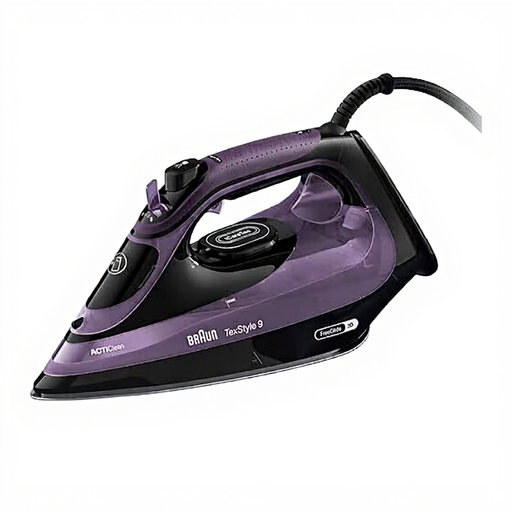 Image unavailable
Described as a steam iron; check the temperature and steam settings against the apron’s care label.
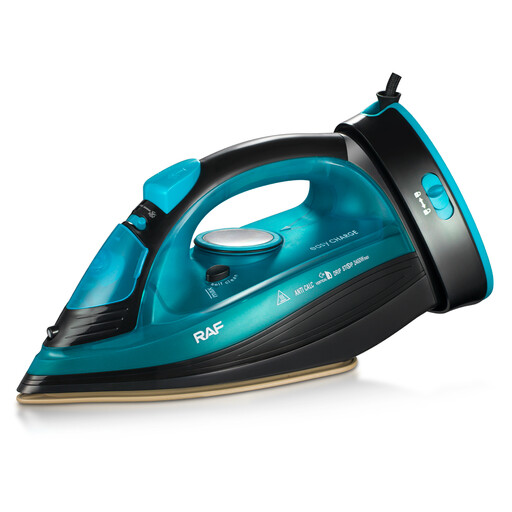 Image unavailable
The cordless design may give you more freedom of movement while ironing; according to the product description, the appliance must be placed on the 360° charging base to heat up.
The product description lists 2400W, a 320-ml tank, a steam output of 15–25 g/min, a ceramic soleplate and a self-cleaning function.
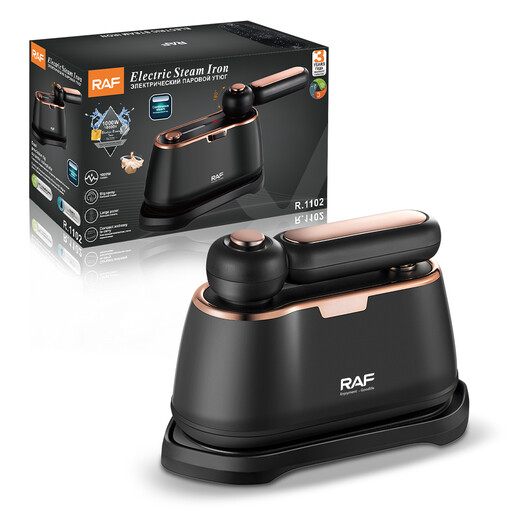 Image unavailable
Described as a compact travel iron; check whether its design and ironing surface are suitable for pressing your aprons flat.
The product description lists a 120-ml tank, a handle that rotates through 180°, and vertical and continuous steam.
Follow the ironing symbol on the individual apron, rather than relying on the fact that it’s made of cotton. GINETEX Germany lists maximum temperatures of 110, 150 and 200 °C, among others, as well as a “do not iron” symbol. The 110 °C setting is for ironing without steam.
Use a surface that’s specifically suitable for steam ironing, and check that the table is stable and that you have a safe place to rest the hot iron. Brabantia describes its ironing blanket as suitable for both standard and steam ironing; this doesn’t mean that any blanket will do.
Follow the descaling instructions for the exact model. Philips Deutschland points out that limescale can cause stains, leaks or reduced steam output in steam systems; maintenance steps vary by model.
According to Verbraucherzentrale (13 August 2026), goods ordered online are generally covered by a 14-day right to cancel from the date you receive them; you must notify the other party to the contract that you wish to cancel. Verbraucherzentrale (28 September 2026) also distinguishes statutory consumer rights from a voluntary guarantee; if a product is faulty, you should generally ask the retailer to put it right first.
Yes, if the relevant EU product rules require CE marking for the specific appliance. The European Union explains that the mark represents the manufacturer’s declaration that the product meets the applicable requirements; it is not a central EU approval mark. Check the labelling and details for the specific appliance.