
Lieferung heute & morgen

Qualitätsgarantie

Willkommens-Angebote freischalten: KOSTENLOSE Lieferung | Bis zu 80 % RABATT | Kostenlose 30-Tage-JoyPlus-Testphase
App herunterladen
The search for the right cotton bedding set can be more complex than it first appears. The market offers a wealth of options, but not all of them deliver on their promises. As your Joybuy Product Recommendation Officer, I'll help you identify the crucial features and avoid common purchasing pitfalls, so you can make an informed decision for lasting sleep comfort.
Many consumers report similar disappointments after a purchase. Here are three of the most common problems you can avoid with an informed choice:
To avoid these problems, you should check three central aspects. These will help you objectively evaluate the quality of a cotton bedding set.
The feel and durability of your bedding depend significantly on the weave.
For quality- and health-conscious consumers, certification is an important criterion. The OEKO-TEX STANDARD 100 label is a reliable indicator in this regard. It confirms that all components of the article, including threads and zippers, have been tested for a list of over 350 harmful substances. An OEKO-TEX bedding set thus offers the assurance that the product is harmless to your health and skin-friendly.
Functional details determine everyday comfort.
Based on the quality criteria mentioned, we have compiled a few products for different needs.
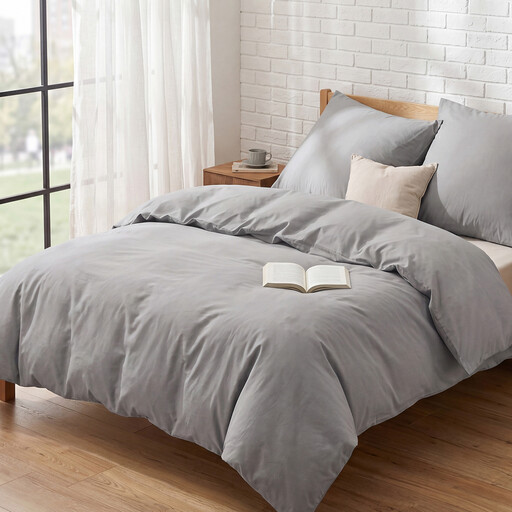
Why This Fits Their Persona: This set is ideal for anyone who values a good price-performance ratio. With two complete sets, it offers a practical solution for everyday rotation without compromising on fundamental quality features.
It bypasses the pitfall of poor workmanship with an integrated zipper and OEKO-TEX certification (24.HCN.19195), which ensures tested skin-friendliness.
The 4-piece set (2 duvet covers, 2 pillowcases) offers high utility. The 8 internal corner ties prevent the duvet from slipping.
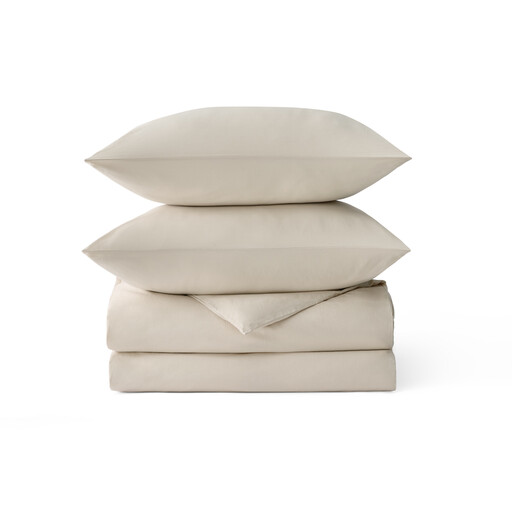
Why This Fits Their Persona: For individuals who prioritise a soft feel and high comfort. The comfort size of 155x220 cm offers more freedom of movement and cosiness.
It solves the problem of rough fabrics by using specially washed cotton, which, according to the manufacturer, undergoes 32 finishing steps to ensure exceptional softness.
The texture is similar to washed linen, offering a relaxed, soft feel. The set is OEKO-TEX certified (24.HCN.19195) and features a convenient zipper.
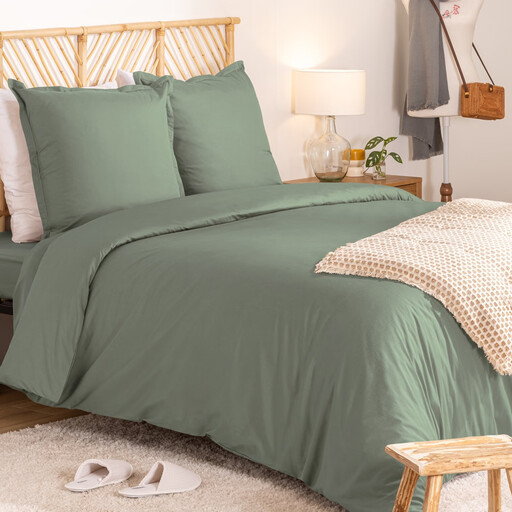
Why This Fits Their Persona: This set is specifically designed for owners of super king-size beds who are looking for a fitting and high-quality solution. The generous dimensions of 260x240 cm ensure complete coverage.
It solves the problem of shape retention by using durable cotton percale, which is known for its longevity and low tendency to shrink.
The percale weave provides a cool and smooth feel against the skin. The material is breathable and easy to care for, making it a practical choice for year-round use.
We have compiled a complete, up-to-date list of products that fully meet these strict selection criteria and German safety regulations.
1. What exactly does OEKO-TEX STANDARD 100 mean for bedding? The OEKO-TEX STANDARD 100 label is an independent certification system for textiles. If a bedding set carries this label, it means that every component—from the fabric to the sewing thread and the zipper—has been tested for harmful substances and classified as harmless to health. This is a particularly relevant factor for people with sensitive skin and for allergy sufferers.
2. How do I properly care for a cotton bedding set to prevent shrinking? Always read the manufacturer's care label. As a general rule, wash cotton bedding at the recommended temperatures (often 40°C or 60°C). Avoid excessively high spin speeds. To preserve the shape, you can tumble dry the bedding on a low heat setting or let it air dry. High-quality, pre-treated cotton is less prone to shrinking.
3. What is the difference between cotton percale and regular cotton? The main difference lies in the weave. Cotton percale is made using a very dense plain weave with a thread count of typically 200 or more. This results in a smooth, cool, and matte finish. Regular cotton (often called linon) has a looser weave and feels softer, but less "crisp." Due to its density, percale is often more durable and resistant to pilling.