Households with nowhere to hang laundry
If you need to machine-dry your bedding when space is tight, pay particular attention to the appliance’s drying capacity.


If you can hang your cotton bedding somewhere with good airflow, a washing machine with a suitable drum capacity and spin performance may be all you need. If you don’t have space to hang it, a washer-dryer could be a convenient all-in-one solution. For frequent large loads, a washing machine and separate tumble dryer may be a better fit, provided you have enough space and the right installation. With washer-dryers, it’s the drying capacity and energy and water use for the complete wash-and-dry cycle that matter — not just the washing figures, as the consumer advice centre also points out.
If you need to machine-dry your bedding when space is tight, pay particular attention to the appliance’s drying capacity.
If you wash several cotton duvet covers or sheets together, the washing capacity — and, if relevant, the drying capacity — needs to suit your usual load.
If you can still hang your bedding up, spin performance and a suitable way to remove moisture are important factors to consider.
For washer-dryers, the consumer advice centre recommends checking the washing and drying capacities, as well as consumption figures for the complete cycle. If you air-dry your laundry, spin performance and moisture removal are also important.
| Buying consideration | What to check before buying | Who it matters most to |
|---|---|---|
| Drying without space to hang laundry | For a washer-dryer, check the drying capacity and consumption for the complete wash-and-dry cycle. | If I don’t have a suitable place to hang laundry, I need a machine-drying solution that can handle my bedding load. Around 36% of consumers prioritise this option. |
| Room for your bedding load | Compare the washing capacity and, if you plan to dry the load straight afterwards, the separate drying capacity in kg. | When washing several covers or large sheets, I want to be able to wash and dry my usual load without splitting it unnecessarily. Around 29% of consumers put getting the right capacity first. |
| Making air-drying easier | Check the spin efficiency class and the spin settings permitted for your textiles. The consumer advice centre cites 1.400 U/min as a guide, not a requirement for every fabric. | If I can still hang my bedding up, I want to reduce the remaining moisture and be able to remove moisture from the room. Around 21% of consumers prioritise this. |
| Energy and water use when drying | Compare kWh per 100 cycles and water per cycle on the same programme basis. For washer-dryers, also take the complete wash-and-dry cycle into account. | If I machine-dry regularly, I want to compare consumption figures for the programme I’ll actually use. Around 14% of consumers prioritise running costs. |
With a washer-dryer, the stated drying capacity can be much lower than the washing capacity. That means a full wash load won’t necessarily fit in the drying cycle that follows.
Compare both figures from the manufacturer with your usual bedding load, and check the limits for each programme.
If the load is too large to dry, you may need to run a second drying cycle or find another suitable way to dry it.
For a washer-dryer, the figures for washing alone differ from those for the combined wash-and-dry cycle. The washing figure on its own doesn’t represent the complete cycle.
Compare the figures for the operating mode you’re most likely to use. The consumer advice centre highlights the complete wash-and-dry cycle as the relevant basis for comparison.
A washing machine on its own won’t dry your bedding. Even after spinning, the fabric will still contain moisture. If you dry laundry indoors, that moisture needs to be removed.
Before you buy, plan how your bedding will get from the wash cycle to being completely dry. The German Environment Agency recommends regularly removing moisture to help prevent mould.
If you don’t have space to hang laundry or a suitable machine-drying solution, you’ll need to find another appropriate way to dry it.
The information relates to the specific models listed and isn’t a general assessment of each brand.
The LWR9W81609 washer-dryer is an all-in-one option if you don’t have space to hang laundry.
The freestanding HWD90-B14959U1 washer-dryer combines washing and drying in one appliance.
The MF200W90WB-14A washing machine has a bedding programme and is worth considering if you have a separate way to dry your laundry.
The WGG244F40 is a 9 kg option if you can air-dry your laundry or use a separate tumble dryer.
The W1 WWA120 WCS 8kg Active is a washing machine for loads that fit within its stated capacity.
This selection includes washing machines for air-drying laundry afterwards, a separate washing machine and tumble dryer pair, washer-dryers and a WashTower with a heat pump tumble dryer.
 No image available
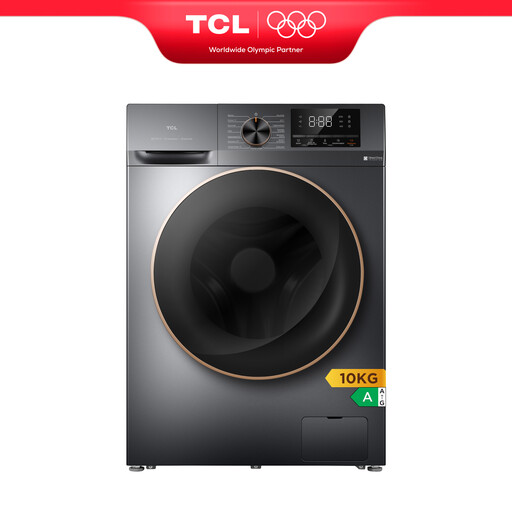
A washing machine option if you can hang your bedding up afterwards.
As stated in the product name: 10 kg and energy class A.
 No image available
This pair of appliances could suit you if you’re planning to use a separate machine-drying solution instead of hanging your laundry up.
 No image available
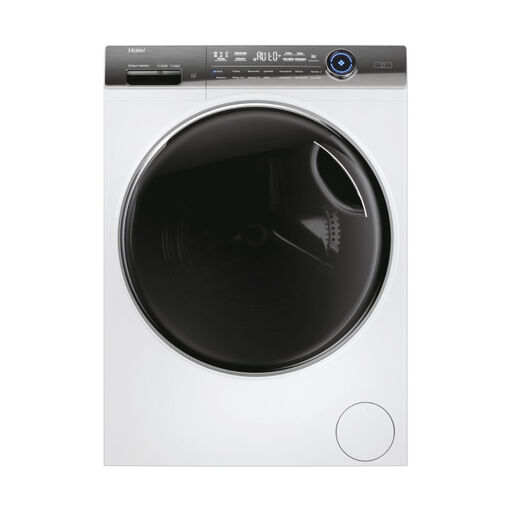
This washing machine is an option if you can hang your bedding up after washing it.
As stated in the product name: 9 kg, energy class A and noise class A.
 No image available
The WashTower could suit you if you want to combine washing and machine-drying while making the most of limited floor space.
As stated in the product name: 12 kg washing capacity, 10 kg drying capacity and a heat pump tumble dryer. The drying capacity is lower than the washing capacity.
 No image available
This washer-dryer could suit you if you don’t have space to hang laundry and your bedding load fits within the stated drying capacity.
As stated in the product name: 9 kg washing, 6 kg drying, 1.400 U/min and energy class D. The drying capacity is lower than the washing capacity.
No. The German Environment Agency’s guidance doesn’t mean that cotton bedding in a household must always be washed at 60 °C. Check the care label, how soiled the bedding is and the detergent you’re using. If you have particular hygiene requirements — for example, because of an infectious illness or a weakened immune system — specific advice may apply.
No. The European Commission describes ‘eco 40–60’ as a programme for normally soiled cotton that the care label says can be washed at 40 °C or 60 °C. Check the care label and the instruction manual rather than assuming the programme name tells you the actual washing temperature.
Make sure you can remove the moisture produced by airing the room appropriately. The German Environment Agency recommends regularly removing moisture to help prevent mould. Whether a room is suitable also depends on its ventilation and humidity.
Compare electricity use in kWh per 100 cycles and water use per cycle on the same programme basis. With a washer-dryer, you need to consider the complete wash-and-dry cycle as well as washing alone. The consumer advice centre and the European Commission’s energy label information can help you distinguish between the figures for each operating mode. Your running costs will also depend on how you use the appliance and your energy tariffs.