For frequent, quick ironing
If you only smooth a few cotton handkerchiefs at a time, easy set-up and storage matter. Braun and Severin’s model specifications illustrate the different designs available.


If you regularly iron small batches of cotton handkerchiefs, compare ease of use, temperature control and how smoothly the soleplate glides before considering tank size. Steam can help with deeper creases, but it means looking after the water system; a dry iron needs no filling or descaling. Always follow the care label on each handkerchief. New mains-powered irons covered by the EU Low Voltage Directive 2014/35/EU must carry a CE mark and come with clear instructions and safety information for sale in Germany. Check these details on the specific product listing, as explained by EUR-Lex.
If you only smooth a few cotton handkerchiefs at a time, easy set-up and storage matter. Braun and Severin’s model specifications illustrate the different designs available.
If you need steam from time to time, look for suitable temperature settings and a well-shaped tip that’s easy to guide into corners. Braun and Tefal list these features on selected models.
If you’d rather not fill a tank or descale your iron, consider a dry iron and do without built-in steam. Severin describes the BA 3211 as a model with no steam output.
Start by thinking about how you usually iron. For small loads, how quickly you can get started, whether you need steam and how much maintenance you’re prepared to do are usually more important than having a large tank.
| What to look for | What to check | Who is it most important to? |
|---|---|---|
| Quick, straightforward use | Check the controls and whether the cord or separate heating base will fit the space you have available. | When I’m only ironing a few handkerchiefs, I want to pick up the iron quickly and put it away again without a complicated set-up. Around 36% of consumers prioritise quick, straightforward use. |
| Steam and precise ironing | Check the steam control, steam-off setting, tip and anti-drip feature on the specific model. Set the temperature and use steam according to the care label. | For more heavily creased handkerchiefs, I want to use steam selectively and work neatly around small corners. Around 29% of consumers prioritise steam and precise ironing. |
| Minimal water-system maintenance | Distinguish between a dry iron and a steam iron with a steam-off setting. For a steam model, check the care instructions for that exact version. | I want to iron small loads without regularly topping up the water or descaling the steam vents, and I’m happy to do without built-in steam. Around 21% of consumers prioritise minimal water-system maintenance. |
| Automatic shut-off if interrupted | Check that automatic shut-off is listed for the full model number, and read the instructions for details of how the feature works. | If I’m interrupted while ironing, I want to check the automatic shut-off feature on the exact model. Around 14% of consumers prioritise this safety feature. |
A larger capacity isn’t necessarily more practical when you’re only ironing a few handkerchiefs. Philips says the 300 ml tank on the DST3041/80 is enough for smaller loads without needing a refill; a steam generator is better suited to longer ironing sessions.
Choose the tank size and design to suit the amount of laundry you usually iron in one go, rather than simply opting for the largest capacity.
A dry iron doesn’t produce steam. The care label on each handkerchief also tells you which temperature to use and whether steam ironing is suitable.
Check the label first, then decide whether you need a steam boost for more heavily creased handkerchiefs.
Features vary across a brand’s range: Braun lists automatic shut-off for the FI3194BK, while Tefal doesn’t list it for the FV2838. Repair services aren’t available for every model either; Severin doesn’t list one for the BA 3211.
Check safety features and service details using the full model number, rather than relying on the brand name alone.
The FreeStyle 3 FI3194BK is a corded steam iron designed for quick sessions and precise handling.
The BA 3211 is a dry-iron alternative for small loads if you don’t need built-in steam.
The 3000 Series DST3041/80 is a steam iron, while PerfectCare stations are better suited to longer ironing sessions.
The Express Steam FV2838 is a corded steam iron; the Freemove Power FV6670 is a cordless alternative with a heating base.
The models below range from compact hand irons to a steam generator. For a few handkerchiefs, ease of use and maintenance matter most; a steam generator may be worth considering if you regularly have larger loads of laundry too. Before buying, check the CE mark and make sure the specific product listing includes clear instructions and safety information.
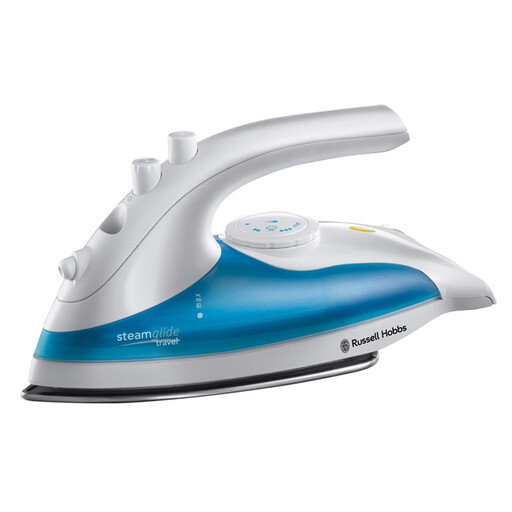 No image available
This compact travel design is a good fit if you’re looking for an iron for quick sessions on the go.
The product name specifies dual voltage and a 1.5 m cord.
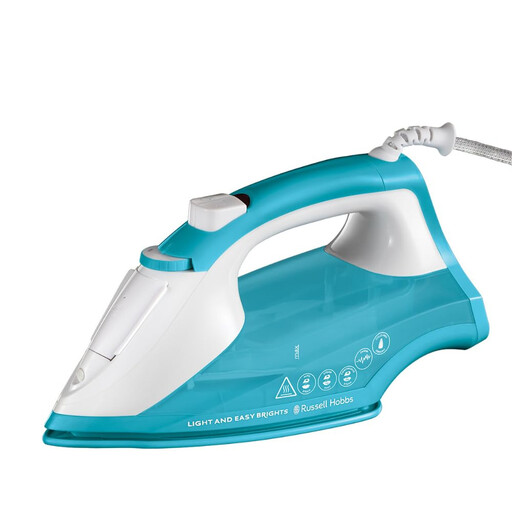 No image available
A good option if you prefer a steam iron to a dry iron for small ironing loads.
The product description lists the colour as blue and white.
 No image available
An option to consider if you’re looking for a handheld steam iron with a non-stick soleplate.
The product description lists 2400 W. Set the temperature and use steam according to the care label on each handkerchief.
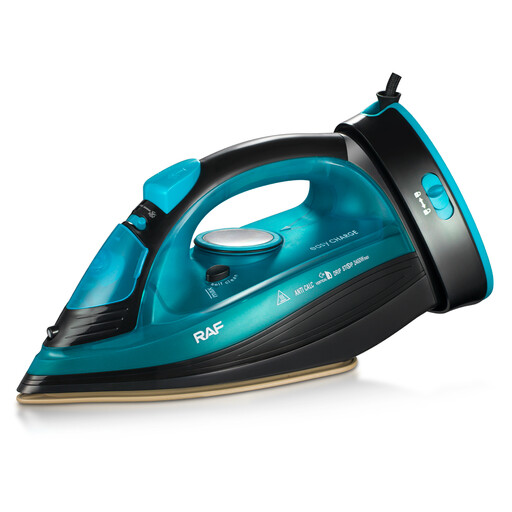 No image available
A cordless design may suit you if freedom of movement matters more than being able to iron continuously.
This design includes a charging base, so you’ll need space to accommodate it.
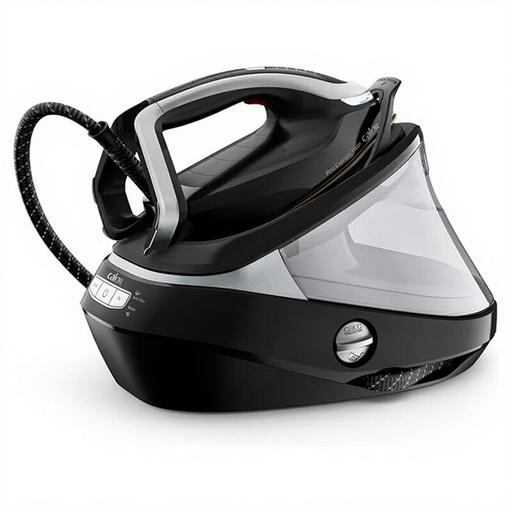 No image available
This steam generator may be worth considering if you regularly have larger loads of laundry as well as handkerchiefs to iron.
The product description lists 3000 W and a removable 1.2-litre tank. It needs space, with stated dimensions of 25 × 30 × 45 cm.
No. The fibre content alone doesn’t determine how each handkerchief should be treated. GINETEX explains that ironing symbols indicate a maximum soleplate temperature of 110 °C, 150 °C or 200 °C, or that an item must not be ironed. Steam ironing isn’t recommended for the symbol indicating a maximum of 110 °C. Follow the care label on the handkerchief.
Follow the cleaning and descaling instructions for your specific model. Philips says limescale build-up can reduce steam output and cause stains. Philips advises unplugging the iron and letting it cool before cleaning the soleplate.
For your statutory rights, the seller is generally your point of contact; a separate manufacturer’s warranty is different. German consumer advice centres say that goods bought in Germany are generally covered by a two-year statutory warranty. The rights available in an individual case depend on factors including the fault and when you bought the item.
For appliances covered by the EU Low Voltage Directive 2014/35/EU, which applies to 50 to 1,000 V AC, a CE mark and instructions and safety information that end users can understand are required. EUR-Lex explains these requirements. The CE mark doesn’t certify a particular ironing result, so check the details on the specific product listing.