What should you look for when choosing?
First, work out whether you can hang your socks up after spinning. If not, compare the appliance’s drying capacity with the size of your usual load.
| Your concern |
What to check before buying |
Who is this important to? |
| Drying without a dedicated drying area |
Check the washing and drying capacities of the same model separately, then compare your usual load with its drying capacity. |
If I have very little room to hang laundry, I want the load to finish drying in the appliance. Around 33% of consumers also prioritise a solution for limited drying space. |
| Hanging laundry with less residual moisture |
Compare the spin efficiency class and make sure you have a drying spot with enough ventilation. |
If I have a small clothes airer, I want to reduce the residual moisture before hanging laundry while still being able to ventilate the room properly. Around 27% of consumers put this concern first. |
| Drying larger loads |
Work out the size of your typical load and compare the drying capacity and information on the energy label. |
If you regularly dry larger loads, check whether a combination appliance will be sufficient or whether you can fit two appliances. Around 20% of consumers prioritise frequent, larger drying loads. |
| Energy use for washing and drying |
Compare kWh per 100 cycles for the programme you’ll actually use; look separately at washing and a complete wash-and-dry cycle. |
If I dry laundry regularly, I want to compare the energy use for the whole process I use, not just the figures for washing. Around 20% of consumers first consider the energy use of their washing and drying routine. |
Joybuy products for limited drying space
The products below include appliances with integrated drying, as well as washing machines for small loads of socks that you can hang up afterwards.
 No image available
LG WT1210EGF WashTower
Could suit households looking to combine washing and drying in one appliance; your usual load needs to fit within the drying capacity.
12 kg washing capacity and 10 kg drying capacity; heat-pump tumble dryer.
View at Joybuy
 No image available
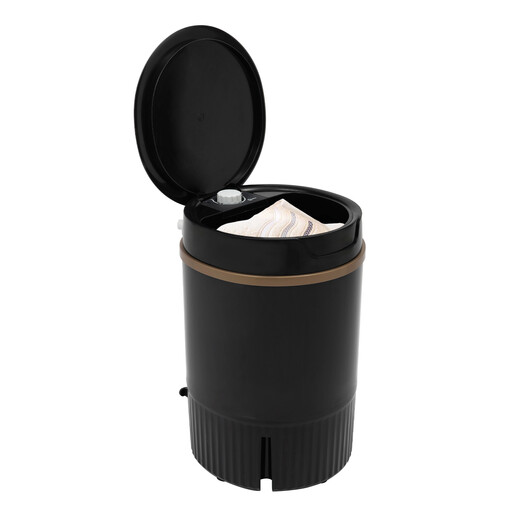
Semi-automatic mini washing machine, 4.5 l
For small loads of socks that you can hang up afterwards; the product description lists socks as a suitable use.
4.5 l capacity; 260 W; wash time of 1 to 10 minutes and a 3-minute spin, according to the product description.
View at Joybuy
 No image available
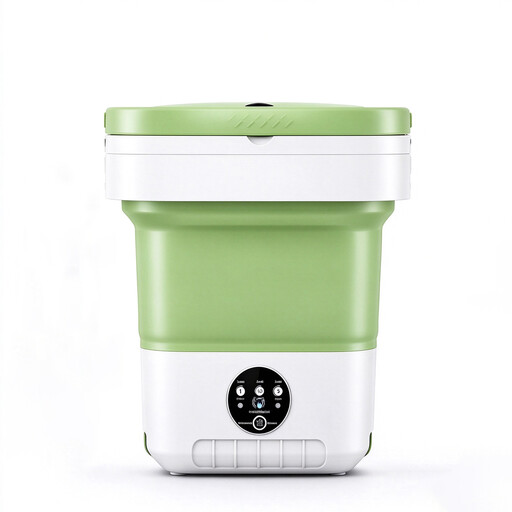
Foldable mini washing machine, 12 l
For small loads of socks that you can hang up afterwards; the product description lists socks as a suitable use.
12 l capacity; spin basket.
View at Joybuy
 No image available
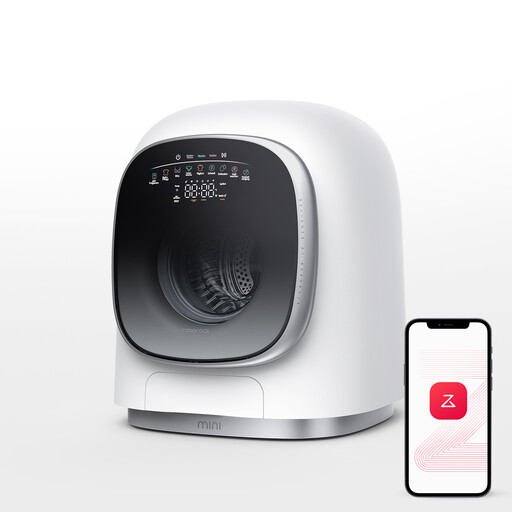
Roborock Zeo mini washer-dryer
For small loads of laundry to be washed and dried in one appliance; the stated drying capacity limits the load size.
1 kg washing capacity and 0.5 kg drying capacity; low-temperature drying, according to the product description.
View at Joybuy
 No image available
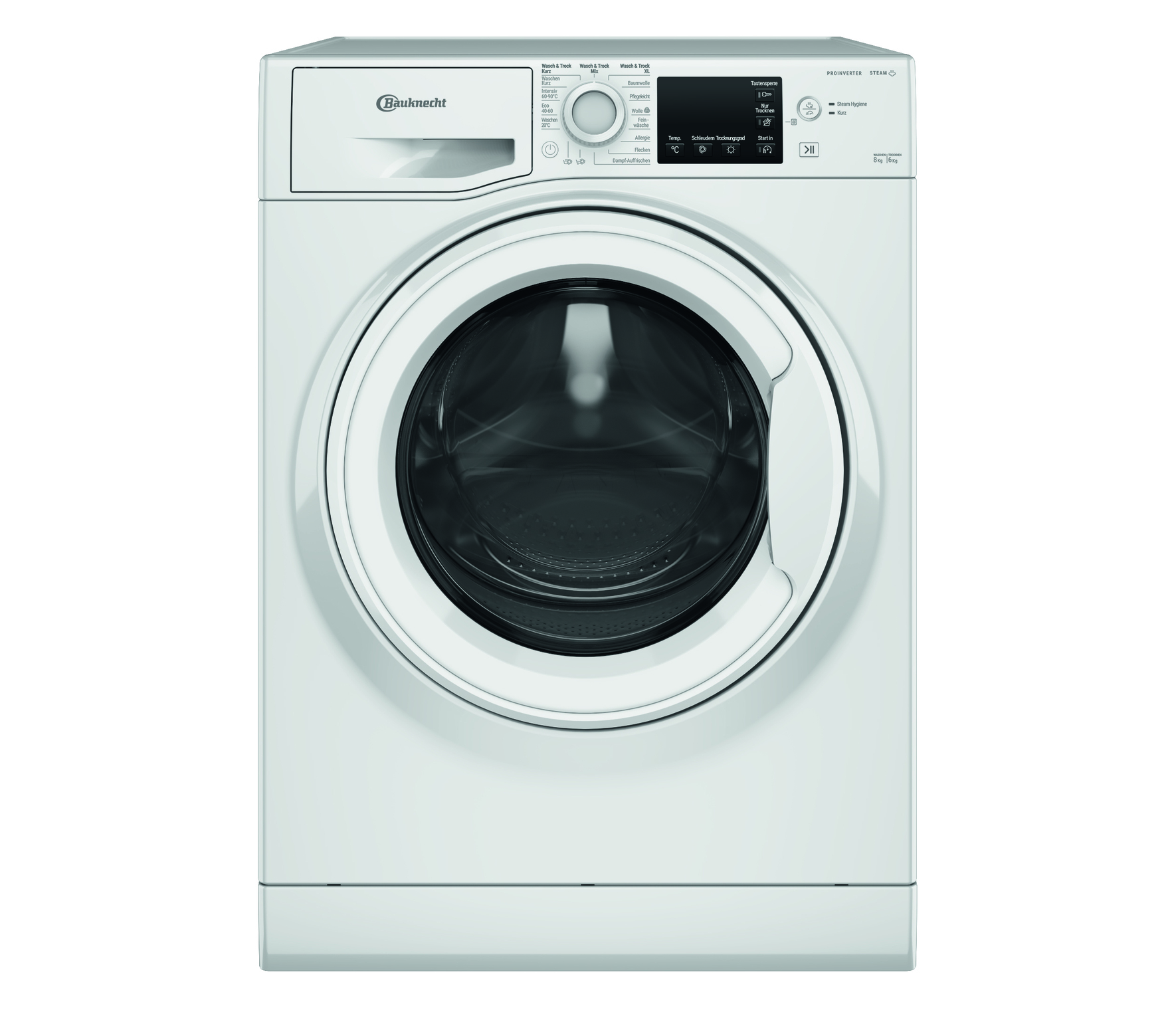
Bauknecht WD Eco Shield 8614 D
Could be a good fit if you want to wash and dry in one freestanding appliance; your load must be within the drying capacity.
8 kg washing capacity, 6 kg drying capacity and speeds of up to 1,400 U/min.
View at Joybuy
Frequently asked questions
Which wash programme is suitable for cotton socks?
First, check the care label on your socks. Eco 40–60 is a designated programme for cotton items labelled as suitable for washing at those temperatures and with normal soiling. The European Commission points out that the programme name does not mean every individual textile can be washed at 60 °C without checking.
Can I run a washer-dryer with a full wash load?
Only if the load is also within the drying capacity of the specific model. For example, the Bosch WNA13441 has a 9 kg washing capacity but a 5 kg capacity for washing and drying. Also follow the appliance’s programme instructions.
What should I bear in mind when drying laundry on a small clothes airer indoors?
Ventilate more when you dry laundry indoors. The German Environment Agency recommends using dedicated drying rooms where available. A good spin removes more residual water beforehand, but it does not replace ventilation.
Which figures are useful when comparing energy use?
Compare kWh per 100 cycles on the same basis. For washer-dryers, distinguish between the figures for washing alone and those for a complete wash-and-dry cycle. A separate tumble dryer has its own energy label. The German consumer advice centre recommends comparing figures for the cycle you’ll actually use.
What are the rules in Germany for energy labels, faulty goods and returning an old appliance?
Washing machines and washer-dryers within scope are subject to EU ecodesign and energy-labelling requirements; these do not set a blanket minimum for a particular energy-efficiency class. For faulty goods, the standard limitation period for claims is generally two years from delivery (§ 438 BGB), subject to statutory exceptions. The German Environment Agency also explains that when you buy a new appliance, you can return a large old appliance of the same type free of charge, including for online purchases with delivery.


