For tie wearers who want to preserve the shape
If you want to smooth a cotton tie without pressing it unnecessarily flat, follow its care label.


If you regularly iron a cotton tie in short sessions, an iron with adjustable temperature and switchable steam can be useful — but only if the care label says ironing is allowed. The Tie Bar recommends hanging or rolling its ties first, and gently steaming out deep creases rather than ironing. If you also iron other small items, a standard steam iron may be more practical than a steam generator. For the tie itself, the care instructions matter most — not the highest possible steam output.
If you want to smooth a cotton tie without pressing it unnecessarily flat, follow its care label.
If you often get the iron out for just one or a few items, ease of use and how much effort it takes to set up are more important than having an especially large tank.
A compact model may suit you if you need to put your iron away or take it with you. Just bear in mind that a smaller water tank may need refilling more often.
A good fit if: Your tie’s care label allows ironing and you occasionally iron other small items too.
Things to consider: You’ll need space to store it, and depending on the model, you may need to look after the tank and tackle limescale. A high steam output doesn’t mean you can use steam if the care label says not to.
A good fit if: Space is limited or you need to take it with you, and the care label allows ironing.
Things to consider: One documented model has a small 0.05 l tank, and the manufacturer does not list an automatic steam shut-off. When travelling, check the voltage setting and plug type.
A good fit if: You want to protect the tie’s shape and volume when it has light creases or its care label says not to iron it.
Things to consider: These methods won’t create a deliberately pressed finish. Only use steam if the care instructions allow it. The Tie Bar recommends this approach for its ties.
A good fit if: You regularly iron larger loads as well as your tie.
Things to consider: According to F.A.Z. Kaufkompass, a standard steam iron may be enough if you have little ironing to do. A steam generator also means having an additional base unit.
| Priority | What to check when buying | Who is it most relevant to? |
|---|---|---|
| Tie shape and temperature | Check the care label on the specific tie and look for adjustable temperature; don’t choose based on the fact that it’s made of cotton alone. | If I want to preserve the shape of my tie, I follow its care label rather than relying on a general cotton setting. Around 36% of consumers put shape and the right temperature first. |
| Quick, precise ironing | Check how easy the specific model is to handle and guide, and compare heat-up times only at the stated temperature setting. | If I often get the iron out for just one or a few items, I want it to be easy to use. Around 29% of consumers prioritise quick ironing and easy handling. |
| Controlled steam | Check the care label and look for a dry setting or adjustable steam; an anti-drip feature doesn’t mean steam is permitted. | If I want to choose between dry ironing and steam according to the care instructions, the right controls matter. Around 21% of consumers prioritise controlled moisture. |
| Care and safe resting | Check the instructions, descaling requirements and auto shut-off for the exact model; never leave an iron unattended. | If I use my iron regularly, I want to be able to manage breaks and care for the appliance easily. Around 14% of consumers pay particular attention to maintenance and safe pauses. |
The care label applies to the specific garment. Pressing too firmly can affect a tie’s shape, and one tie retailer also warns against ironing its cotton ties.
Check the care label first and consider a gentler way to remove creases. Only iron if it’s allowed, and follow the stated temperature.
GINETEX distinguishes between the permitted temperature and whether steam may be used. Anti-drip is an appliance feature and doesn’t change the care label.
Check the care instructions and use the dry setting if needed.
For frequent, short sessions, ease of use and set-up may matter more than a long-lasting steam supply. A large tank offers no particular benefit for a single tie.
Compare temperature control, ease of handling and the amount of laundry you actually iron first. A steam generator is more worth considering if you regularly have larger loads to tackle.
Model names and features can vary between versions. Don’t automatically assume that a tank size or feature listed for one model also applies to a similar one.
Before buying, check the full model number and the specifications that matter to you against the documentation for the exact appliance.
The FreeStyle 3 and selected TexStyle 3 models are worth considering for short ironing sessions where precise handling matters.
The 5000 Series DST5030/80 may suit you if steam control and limescale care matter for other small items too.
The BA 3234 travel steam iron is a compact option if storage space is limited or you need to take an iron with you.
The Effective DX1550D1 is a steam iron with documented anti-drip protection and automatic shut-off.
With its steam features, the Ultimate Pure FV9844E0 is more suited to people who also tackle more demanding ironing jobs.
The Joybuy products below include steam irons and a travel option. Before buying, check that your tie’s care label allows ironing. For mains-powered appliances, also look for the required CE marking on the appliance or its rating plate.
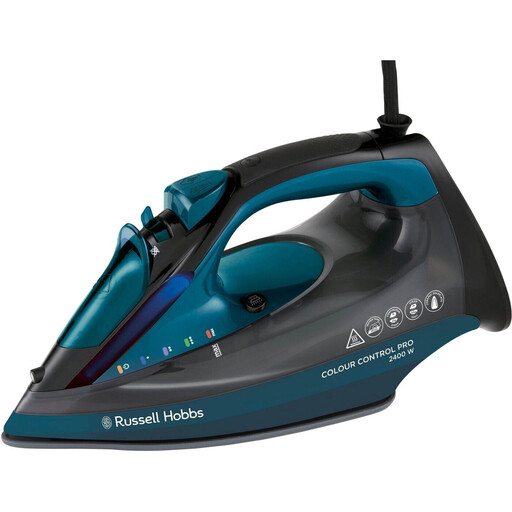 No image available
Worth considering as a steam iron for small loads; when it comes to a tie, the care label is what matters.
Model variant: teal and black.
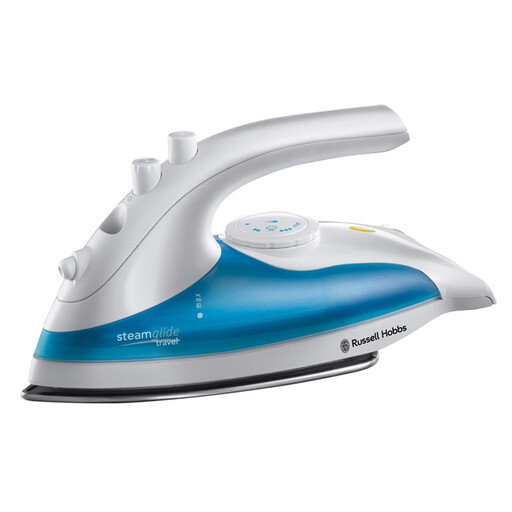 No image available
Worth considering as a travel option if you’re short on storage space or need to take an iron with you; check the voltage setting and plug type before use.
Listed in the product title: Dual Voltage.
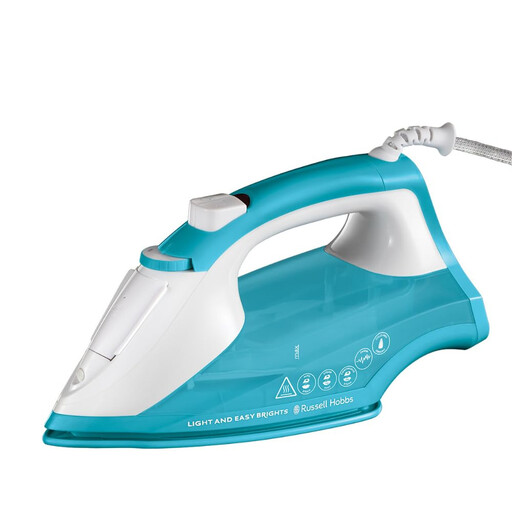 No image available
Worth considering as a steam iron for small loads; only iron your tie according to its care label.
Model variant: Blue/White.
 No image available
Worth considering as a household steam iron; the care label determines whether you can use steam on your tie.
Listed in the product title: 2400 W and non-stick soleplate.
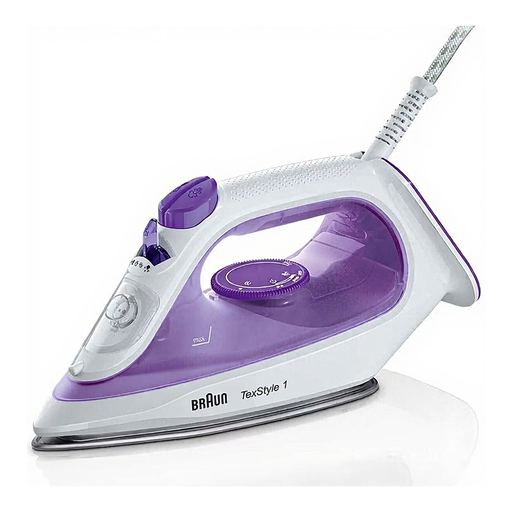 No image available
Worth considering as a steam iron for small loads; adjust the temperature and steam according to the garment’s care instructions.
Model variant: Violet.
Follow the care label on the specific tie, rather than relying on the outer fabric alone. The GINETEX guide distinguishes maximum soleplate temperatures of 120 °C, 160 °C and 210 °C, as well as a no-ironing symbol. The 120 °C symbol means ironing without steam.
The Tie Bar recommends hanging or rolling its ties first, and suggests gently steaming out deep creases rather than ironing. Don’t follow this care tip if it goes against the care label on your own tie; a no-steam instruction still applies.
Use descaling functions according to the instructions for your specific model. Philips describes Calc-Clean for the DST5030/80 as a way to remove limescale deposits; this doesn’t establish a standard descaling interval for other appliances.
According to the Verbraucherzentrale, online orders generally come with a 14-day right to cancel, starting from delivery. Your statutory rights against the seller are separate from any voluntary manufacturer’s or retailer’s guarantee.
EU safety requirements apply to mains-powered household appliances within the relevant voltage range. Under Directive 2014/35/EU, consolidated on 30 May 2026, the CE marking must be visible, legible and permanent on the appliance or its rating plate. A product description alone doesn’t prove that a specific appliance complies.