Tie wearers who want to preserve its shape
You want to smooth out creases without flattening the interlining or edges. So check the care label first and consider gentle alternatives to direct ironing.


Whether you need an iron for a cotton tie depends mainly on the care label for the whole tie and whether you want to iron other clothes too. For light creases, try hanging it up or rolling it first. If the care label allows direct ironing, an adjustable steam iron could be useful for other ironing jobs as well. When it comes to your tie, gentle treatment matters more than a powerful burst of steam: pressure and heat can affect its shape.
You want to smooth out creases without flattening the interlining or edges. So check the care label first and consider gentle alternatives to direct ironing.
You want to prepare a tie that is suitable for ironing, along with other small items of clothing, using an adjustable appliance.
You want to tackle creases without direct contact with an iron’s soleplate, and compare a handheld garment steamer with a traditional iron.
Best for: light creases, or when you’re only preparing this one tie for a trip. The Tie Bar recommends rolling a tie for packing.
The trade-off: This method may not be enough for deeper creases.
Best for: when the care label allows direct ironing and you also iron shirts or other garments that are suitable for ironing.
The trade-off: The hot soleplate and pressure could affect the tie’s edges or interlining. A high steam output doesn’t mean an iron is suitable for your tie.
Best for: when you mainly want to freshen up hanging clothes without contact with an iron’s soleplate, and the care label allows steaming.
The trade-off: A garment steamer can’t replace the pressing action of an iron for every ironing job.
| What matters | What to check before buying | Who is it important to? |
|---|---|---|
| Tie shape and care limits | Care label for the specific tie; permitted temperature and steam treatment | If I want to remove a crease without distorting the edges or interlining, I’ll follow the care label rather than relying on the fibre alone. Around 36% of consumers put protecting the shape first. |
| Ironing a tie and other clothes | Temperature settings on the appliance; use with other garments that are suitable for ironing | If I want to iron shirts or other travel clothes as well as my tie, a versatile appliance is a better option. Around 29% of consumers prioritise this multi-purpose use. |
| Smoothing creases without soleplate contact | Whether steaming is allowed by the care label; how to use the handheld garment steamer | If I want to avoid putting pressure on delicate edges, I’ll look into a method that doesn’t involve direct contact with the iron’s soleplate. Around 21% of consumers prefer smoothing with steam and no soleplate contact. |
| Minimal effort before packing | Whether hanging or rolling it is enough; whether you have other ironing to do | If I’m only preparing one tie, I’ll try a solution that doesn’t involve buying another appliance first. Around 14% of consumers want to keep the effort of preparing and using an appliance to a minimum. |
The care label applies to the whole item, not just the visible fibre. GINETEX describes it as the guide to the textile care that is permitted.
Before ironing directly, check that the specific tie can be ironed and which setting is allowed.
The Tie Bar recommends using steam rather than ironing deep creases. Tie care advice also warns against pressing sharp creases into a tie, as this can spoil its rounded shape.
Try hanging it up or rolling it first. Only consider steam if the tie’s care instructions allow it.
A high steam output doesn’t tell you whether your specific tie can withstand heat, moisture or pressure.
First check the care label and think about any other ironing you need to do. Then decide whether to use a solution that requires no new purchase, an iron or a handheld garment steamer.
The FreeStyle-3 range includes traditional steam irons for direct ironing.
The Express Steam FV2838 is a steam iron with preset temperature settings, according to the manufacturer.
The range includes both traditional steam irons and a portable handheld garment steamer.
The Steamforce Pro DW9520 is a steam iron worth considering for a range of ironing jobs, rather than just one tie.
This selection includes adjustable steam irons for other garments that are suitable for ironing, as well as a handheld garment steamer for hanging clothes. Treat a tie only in line with its care label.
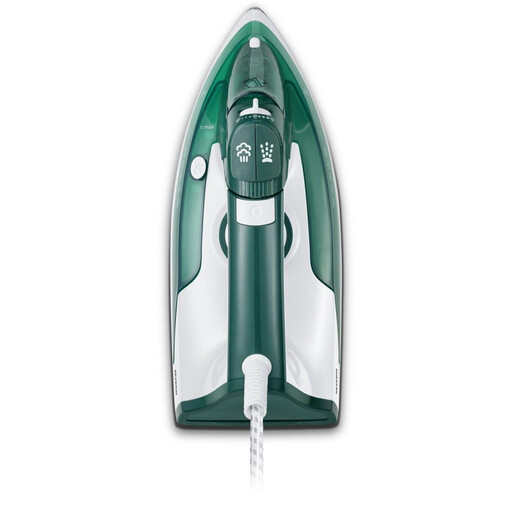 No image available
An option if you want to iron other garments with an adjustable steam iron, as well as a tie that’s suitable for ironing.
The product name lists variable steam output of 30 g/min, a 85 g/min steam boost and a removable 175-ml water tank. Follow the tie’s care label when treating it.
 No image available
Could be suitable for a range of ironing jobs if you want to tackle other garments too. The tie itself must be approved for direct ironing.
The product name lists continuous steam of 40 g/min and a steam boost of 160 g/min. These figures don’t prove that the tie can withstand stronger steam.
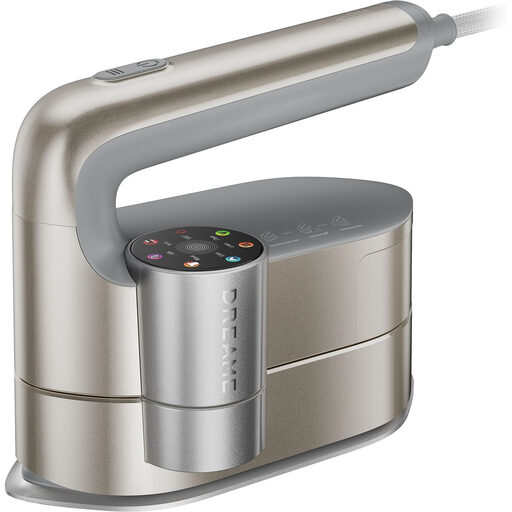 No image available
A possible choice if you’re looking for a steam iron for other garments and the tie’s care label says it can be ironed.
Always follow the tie’s care label. Cotton alone doesn’t determine the right temperature.
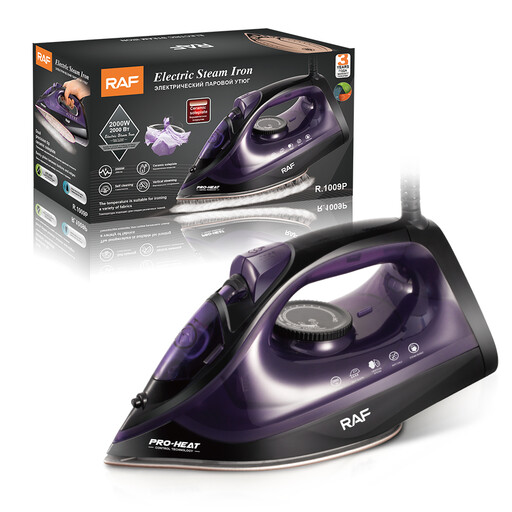 No image available
Worth considering for other garments that are suitable for ironing. The tie’s care label will tell you whether direct ironing is allowed.
The product name lists a ceramic soleplate; the description mentions a 210-ml water tank and vertical steam. This doesn’t mean it’s suitable for ties.
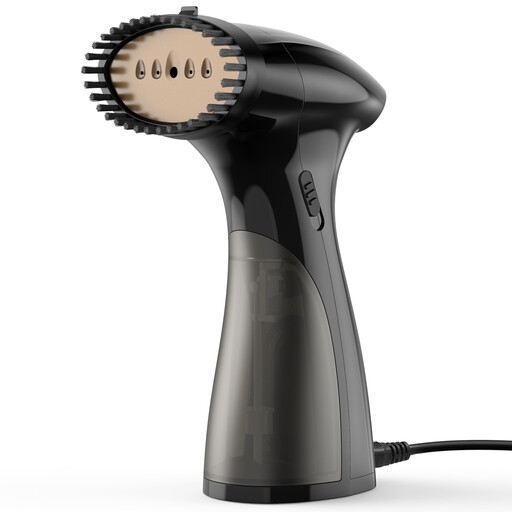 No image available
Suited to anyone looking for a handheld appliance for garments that the care instructions say can be steamed. Before using it, check that steam is suitable for your tie.
The description lists vertical and horizontal use, as well as a brush attachment.
No, not for that reason alone. GINETEX describes the care label as the guide to the permitted treatment of the whole textile item. It distinguishes, among other things, maximum temperatures of 200 °C, 150 °C and 110 °C; at 110 °C, steam should not be used. Always follow the label on the specific tie.
If you’ve steamed it, let it dry and cool down before packing. The Tie Bar recommends rolling the tie without tying a knot and protecting it from pressure in your luggage; this is the supplier’s care advice.
Follow the instructions for your chosen model on water and cleaning. Philips lists a built-in Calc-Clean function for the DST5030/80. The care of your tie is a separate matter and depends on its own care label.
Electrical equipment covered by the EU Low Voltage Directive 2014/35/EU must meet the requirements set out in it. The Directive covers equipment with a rated voltage of 50 to 1.000 V AC or 75 to 1.500 V DC. The consolidated version dated 30 May 2026 sets out this scope. According to the Federal Network Agency, sellers of relevant products must check, among other things, for CE marking and the required German-language instructions and safety information. The CE mark is a manufacturer’s declaration, not an independent quality seal; it does not confirm that a particular listing is compliant.
Electrical waste must not be put in household rubbish. According to the Federal Ministry for the Environment, it must be handed in at an authorised collection point. Retailers also have take-back obligations under the conditions described there.