What to consider when buying
When drying space is limited, your choice largely depends on whether you can air-dry your laundry or want to dry it in the machine.
| Buying consideration |
What to look for |
Who it matters most to |
| Drying without needing extra space |
Measure the space available and, for washer-dryers, compare washing and drying capacities separately. |
If I haven’t got room for a clothes airer, the drying capacity needs to suit my usual load; around 33% of consumers put drying without needing extra space first. |
| Suitable wash programme |
Check the care label and the available temperatures. Don’t assume Eco 40–60 is the same as selecting a 60°C wash cycle. |
If I want to wash cotton underwear in line with the care label and my hygiene needs, the choice of programme is important; around 27% of consumers prioritise this kind of fabric care. |
| Electricity and water use |
Compare figures on the same programme basis. For washer-dryers, also check the figures for a complete wash-and-dry cycle. |
If I want to know how much energy and water my actual washing and drying routine uses, I need comparable figures for both modes; around 20% of consumers pay particular attention to running costs. |
| Installation and load size |
Measure the available floor space and height. For stacked appliances, check that the stacking kit is compatible. |
If space where I’m installing the appliance is limited, its dimensions and capacity need to suit my household; around 20% of consumers put installation requirements first. |
The Verbraucherzentrale (German Consumer Advice Centre) notes that washer-dryers can use more electricity and water than separate appliances. Air-drying laundry indoors releases moisture into the room; the Verbraucherzentrale recommends removing it regularly.
For normally soiled cotton labelled as suitable for washing at 40°C or 60°C, Eco 40–60 is a separate programme used for comparison. The Umweltbundesamt (German Environment Agency) recommends 40°C or 60°C for underwear for hygiene reasons. However, always choose the temperature according to the care label and your circumstances.
Joybuy products
The following Joybuy options are washer-dryers for households that want to wash and dry laundry in the same appliance.
 No image available
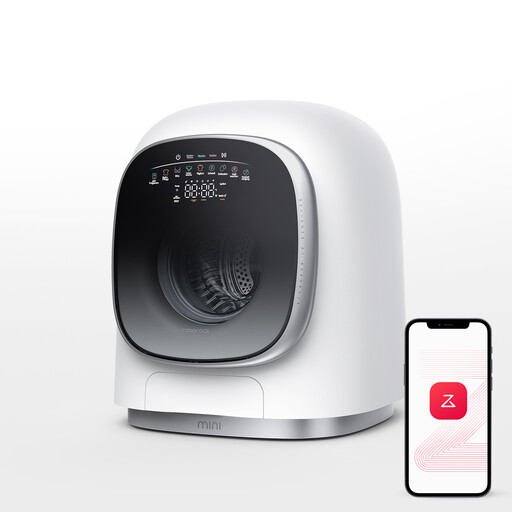
Roborock Zeo Mini Washer Dryer, washes 1 kg / dries 0.5 kg
Described as a mini washer-dryer for very small loads; its drying capacity isn’t enough to dry a full 1 kg wash load.
Washing capacity: 1 kg. Drying capacity: 0.5 kg. The product title mentions more than 20 wash and dry programmes, as well as low-temperature drying.
View at Joybuy
 No image available
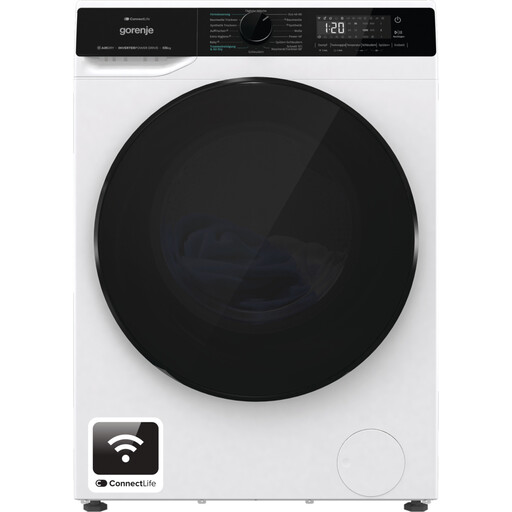
Gorenje WD2PA854ADW DE washer-dryer, 8 kg / 5 kg
For households that want to wash and dry laundry in one appliance; a full 8 kg wash load exceeds the stated drying capacity.
Washing capacity: 8 kg. Drying capacity: 5 kg. Spin speed: 1,400 U/min. For Eco 40–60, the stated consumption is 0.33 kWh and 36 litres per wash cycle; for washing and drying, it’s 2.66 kWh and 80 litres per cycle.
View at Joybuy
 No image available
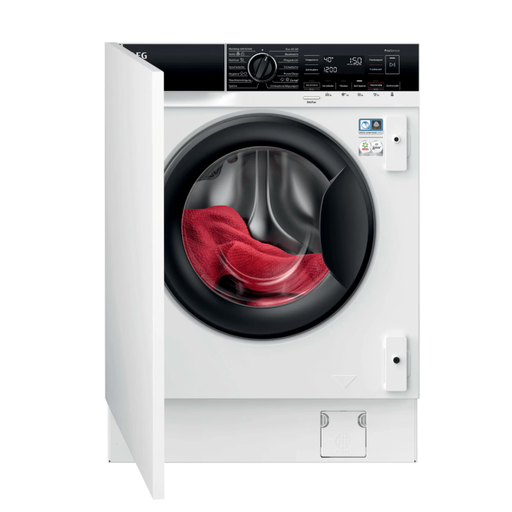
AEG LWR8WI7680 8000 PowerCare built-in washer-dryer, 8 kg / 4 kg
For a built-in space where you want to wash and dry in the same appliance; check the niche dimensions and stated installation requirements beforehand.
Washing capacity: 8 kg. Drying capacity: 4 kg. Spin speed: 1,600 U/min. Minimum niche height: 82 cm; the product description states that installation should be carried out by qualified personnel. Stated consumption is 47 kWh per 100 wash cycles and 217 kWh per 100 wash-and-dry cycles.
View at Joybuy
 No image available
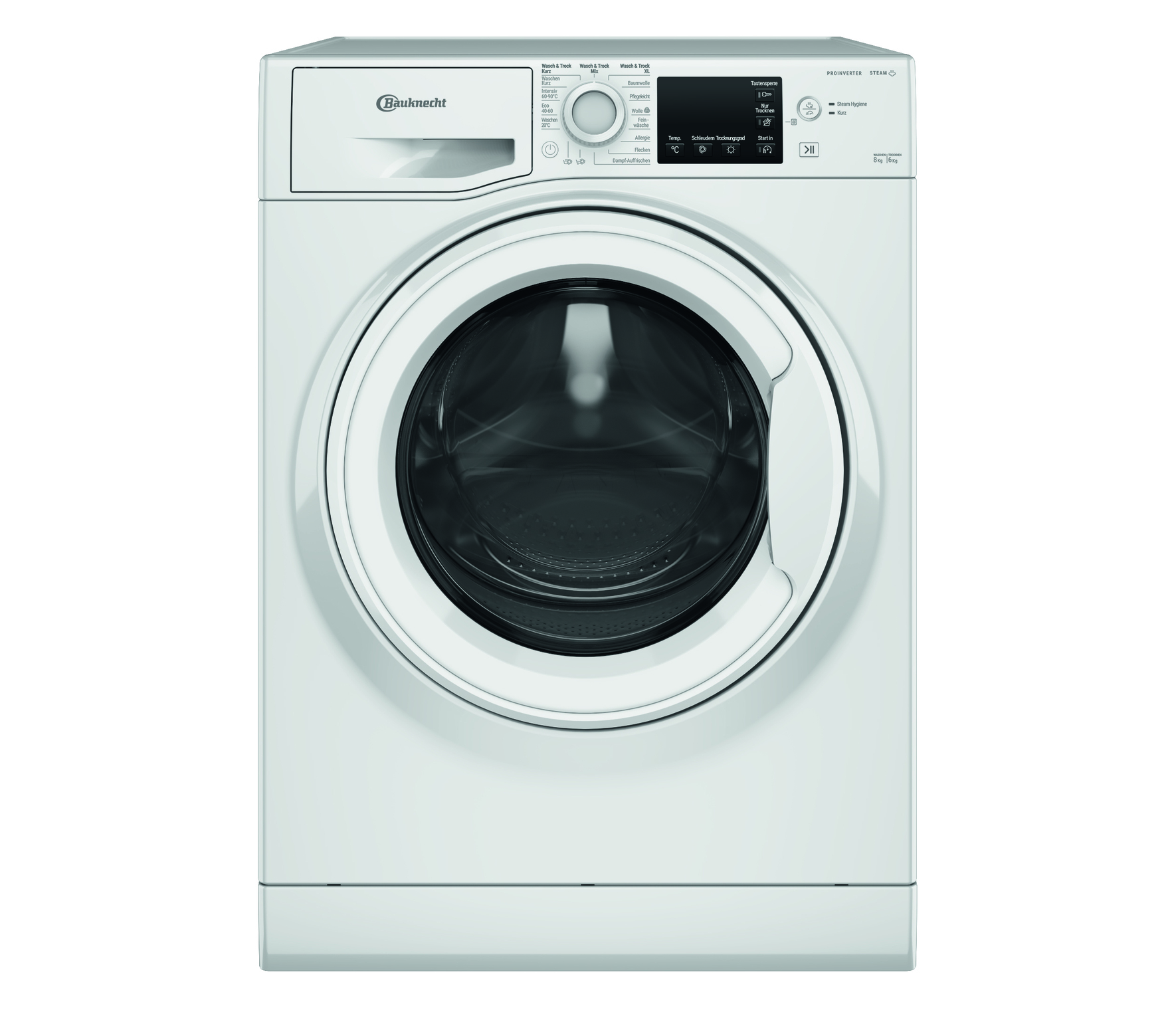
Bauknecht WD Eco Shield 8614 D, 8 kg / 6 kg
For households that want to manage without a separate tumble dryer; the load for a complete cycle is limited by the lower drying capacity.
Washing capacity: 8 kg. Drying capacity: 6 kg. Spin speed: 1,400 U/min. The product description gives a duration of 9 hours and 20 minutes for a complete wash-and-dry cycle at full load.
View at Joybuy
 No image available
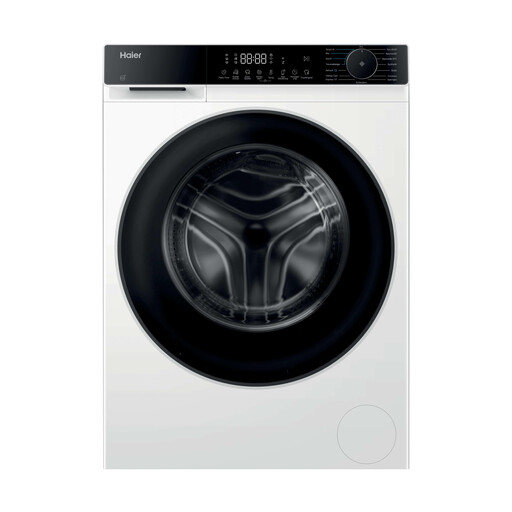
Haier X5 Series HWD120-BP14357U1, 12 kg / 8 kg
For larger wash loads, provided the drying capacity is also right for your needs; a maximum 12 kg wash load can’t be dried completely in one cycle.
Washing capacity: 12 kg. Drying capacity: 8 kg. Spin speed: up to 1,400 U/min. The stated energy efficiency classes are A for washing and D for washing and drying.
View at Joybuy
Frequently asked questions
Does cotton underwear always need to be washed at 60°C?
No. Choose a temperature that suits the care label and your hygiene needs. The Umweltbundesamt recommends 40°C or 60°C for underwear for hygiene reasons; additional measures may be relevant if someone has a contagious illness. If you have a specific medical vulnerability, it’s sensible to seek professional advice.
What can I do if my laundry is still damp after using a washer-dryer?
Check that the drying programme and drying capacity are suitable for the load. AEG’s appliance support information notes that the permitted drying load is smaller than the wash load, and that effective spinning affects drying performance.
Can I put any tumble dryer on top of a washing machine?
No. Bosch describes this installation method as placing the tumble dryer above the washing machine and recommends checking that the specific appliances and stacking kit are compatible. This manufacturer guidance isn’t blanket approval for every model.
Which labels and rights matter when buying in Germany?
The EU energy label lets you compare standardised consumption figures, and the European Commission lists energy labelling requirements for washing machines and washer-dryers. Separately, if goods are faulty, you have statutory rights against the seller. The Verbraucherzentrale describes the retailer’s two-year responsibility for goods to be free from defects at the time of purchase or delivery; this is separate from a manufacturer’s guarantee.


