
Lieferung heute & morgen

Qualitätsgarantie

Willkommens-Angebote freischalten: KOSTENLOSE Lieferung | Bis zu 80 % RABATT | Kostenlose 30-Tage-JoyPlus-Testphase
App herunterladen
Cotton cloths and wet wipes are essentials in many German households. They’re used at changing time, after meals, when travelling, in the bathroom and for cleaning floors. But choosing the right product isn’t just about price. The material, pack size, care instructions and intended use all affect how practical it will be in everyday life.
“Cotton-soft” doesn’t automatically mean a cloth is made from cotton. Disposable face cloths, for example, may be made from soft non-woven fabric, while cotton baby muslin cloths and burp cloths are usually made from muslin. If you prefer natural fibres, look for details such as 100% cotton, “cotton muslin” or a clearly stated material composition.
With blended fabrics, it’s also important to check the proportion of each fibre. A replacement microfibre mop pad, for example, may combine cotton, polyester and polyamide. This can work well on durable flooring, but it’s not the same as an absorbent cotton cloth for skincare.
A high sheet count may seem like a bargain at first. To compare products, check the price per cloth and what you’ll actually use them for. A supply of 720 disposable face cloths could suit a household that uses them regularly, while a smaller pack may be more practical for travelling or keeping in a changing bag.
Packaging also matters when choosing moist toilet tissue. A resealable moisture seal helps reduce drying out after opening. If you’re buying in bulk, individual packs can make storage easier.
Wet wipes don’t automatically belong in the toilet. Even if the product information says they can be flushed in limited quantities, larger amounts can put a strain on drains. Check the packaging instructions and, if in doubt, put disposable products in your general waste. Disposable face cloths must not be flushed.
Washable cleaning cloths and cotton cloths also need the right care. A stated washing temperature of 60 °C is a useful detail when planning your household laundry. For baby textiles, also check the instructions for bleach, tumble drying and detergent.
For babies and people with sensitive skin, soft, breathable materials and a smooth, well-finished surface are important. The product description for baby muslin cloths should clearly state whether they’re made from 100% cotton and whether they need to be washed before first use.
Disposable non-woven cloths can be handy for your face, when travelling or for occasional use. However, they aren’t washable and should only be used as directed by the manufacturer. Stop using them if redness or irritation occurs; these products have no medical effect.
Multi-layer cotton burp cloths absorb liquid differently from lightweight muslin cloths. A six-layer cloth may be suitable for frequent spit-ups or feeding, while a large, lightweight 80×80-cm cloth can also be used as a shoulder cloth or light blanket.
For cleaning cloths, the surface texture matters as well as absorbency. A silver polishing cloth contains cleaning agents and is intended only for suitable silver surfaces. A replacement microfibre mop pad for tiles or stone isn’t a general-purpose cloth for delicate furniture or skin.
A changing mat cover should fit the mat you already have. The Hauck model, for example, is listed as 44 × 69 cm and machine washable up to 60 °C. Smaller, quick-drying cloths are often easier to pack in a changing bag. At home, larger sets with several cloths can make it easier to swap them out.
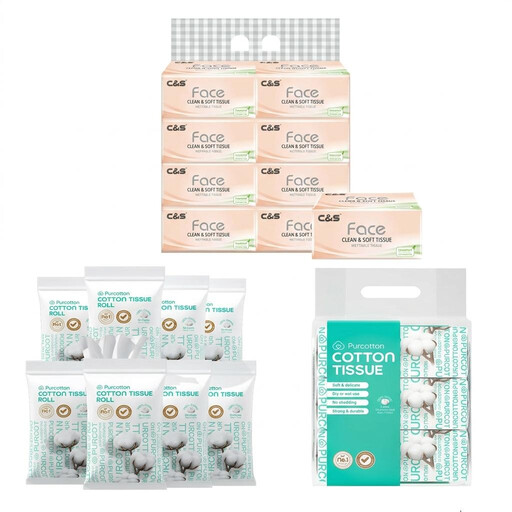
Why this product is a good match: The set includes 400 travel cotton wipes, 300 soft cotton wipes and 960 face cloths. It covers a range of everyday needs without requiring several separate orders.
The sheet counts are listed separately, so you can assess the supply by cloth type rather than focusing only on the large combined total.
Three types of product in one set; combines travel and household use.
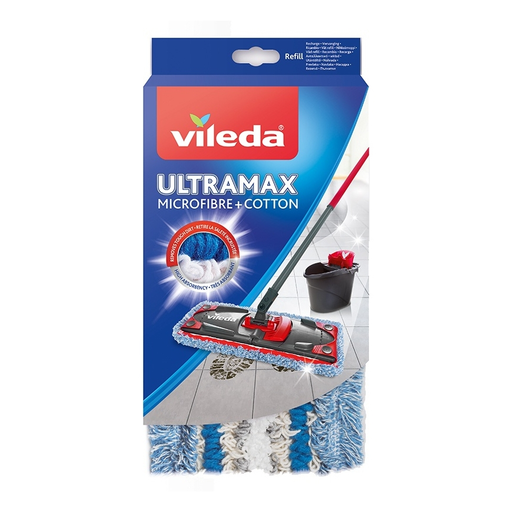
Why this product is a good match: This replacement cover is designed for the Ultramax floor mop and is suitable for tiles, stone and other hard-wearing floors.
Compatibility and the restriction to hard-wearing surfaces are clearly stated, helping you avoid buying it for delicate floors.
Blend of microfibre and cotton; machine washable up to 60 °C according to the product information.
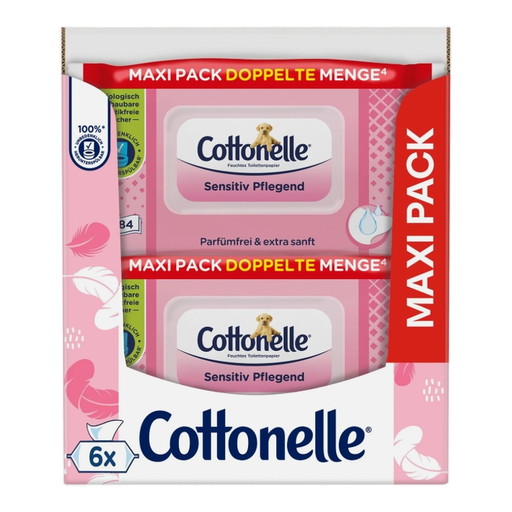
Why this product is a good match: According to the product information, this moist toilet tissue is free from perfume, colourants and added alcohol. It can be used alongside dry toilet paper at home or when you’re out and about.
The product details about its composition and the recommended use of 1–2 wipes per flush are clearly stated.
6 packs of 84 wipes each; fragrance-free according to the product information.
You can also choose cloths for specific uses: ochama disposable face cloths are designed to be used dry or damp and must be disposed of in the bin. For silver, use a dedicated silver polishing cloth; it shouldn’t be washed, as this can remove the impregnated cleaning agent. If you’re looking for washable cleaning cloths for furniture, the kitchen or bathroom, check the material, finished edges and care instructions.
We’ve put together a complete, regularly updated list of products that meet these strict selection criteria and fully comply with the safety regulations in force in the EU.
For direct skin contact, consider cotton baby muslin cloths and burp cloths with clearly stated material details. Check the size, number of layers, washing temperature and warning labels. Loose cloths and large blankets shouldn’t be left unattended in a baby’s sleep area.
The use-by or batch date is shown on the packaging. After opening, reseal wet wipes carefully and store them somewhere dry, away from direct sunlight. Don’t use a wipe if it has dried out or its smell or surface has changed.
Washable cotton cloths have ongoing washing costs after purchase, but can be used repeatedly. Disposable products need no laundering and are handy for travel. To make a fair comparison, consider the cost per use, pack size, washing costs, drying time and the specific hygiene needs.