
Lieferung heute & morgen

Qualitätsgarantie

Willkommens-Angebote freischalten: KOSTENLOSE Lieferung | Bis zu 80 % RABATT | Kostenlose 30-Tage-JoyPlus-Testphase
App herunterladen
A countertop blender should do more than just blend fruit. Many households want one appliance for smoothies, soups, sauces, cocktails, ice and chopping hard ingredients. At the same time, high wattage figures, marketing terms and extensive accessories can make it harder to compare models.
To make sure your buying decision isn’t based solely on design or an impressive power rating, it’s worth looking out for three common pitfalls.
A 1000-watt blender may be powerful enough for many household tasks. However, wattage mainly describes electrical power consumption; it doesn’t determine the quality of the blending results on its own. The blade design, number of blades, jug shape and permitted running time are just as important.
Depending on its design, a 1000-watt appliance may be more or less suitable for smoothies, ice or sauces. If you plan to blend hard ingredients, also look for a specific ice-crushing function or details about the blades.
A 2.1-litre jug doesn’t necessarily mean you can add 2.1 litres of liquid. For example, the Ninja Professional Blender has a stated maximum liquid capacity of 1.9 litres. The remaining space allows the ingredients to move around and helps prevent spills.
A large jug can be useful for families and preparing several portions at once. But if you mainly make individual smoothies, you may not need a large, correspondingly taller appliance.
A blender with accessories can take the place of several kitchen appliances, but it also needs more storage space and cleaning. Depending on the set, a hand blender may come with attachments such as a whisk, chopper, measuring jug or potato masher. Before you buy, check which attachments will actually suit the way you cook.
A range of models offer 1000 watts for typical household tasks. What matters is how the motor works with the blades:
‘High-performance blender’ isn’t a standardised, protected power rating. Compare the specific features and figures rather than relying on the label alone.
A countertop blender with a glass jug may appeal if you prefer a sturdy material that doesn’t retain odours. However, glass is heavier than plastic and can be damaged by knocks or sudden temperature changes. According to the product details, the Ariete Vintage 583 has a 1.5-litre glass jug.
Plastic jugs, such as those made from BPA-free polycarbonate or Tritan, can be lighter and are suitable for larger capacities. The Ninja model’s jug and lid are made from BPA-free polycarbonate and Tritan, respectively. Also check which parts are dishwasher-safe. The motor unit must never be immersed in water.
Measure the space where you plan to keep the blender, including the clearance beneath wall cabinets. A large-capacity jug can make the appliance significantly taller. Weight and stability also matter, particularly when crushing ice.
A hand blender may be more practical in a small kitchen. You can use it in a saucepan, measuring jug or bowl, and it generally takes up less permanent worktop space. Browse the range in the 1000-watt hand blenders category.
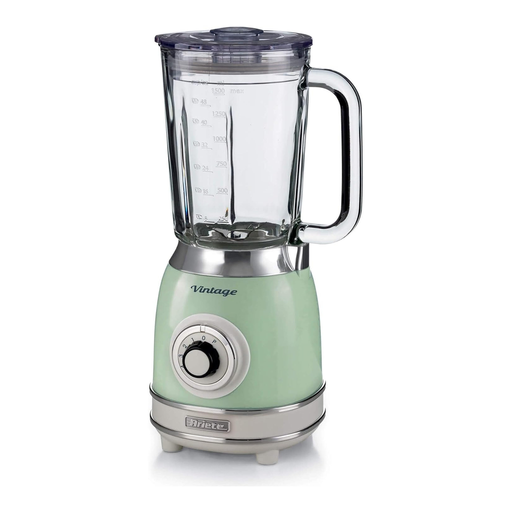
Why it suits this profile: This countertop blender combines a 1.5-litre glass jug with 1000 watts, four speeds and a pulse function. Its retro design makes it a good choice if you want to keep your blender on display on the worktop.
The technical details cover more than just motor power: they also specify the number of blades, speed settings, capacity and ice-crushing function.
1.5-litre glass jug, four stainless steel blades, four speeds plus pulse, and removable dishwasher-safe parts according to the product details.
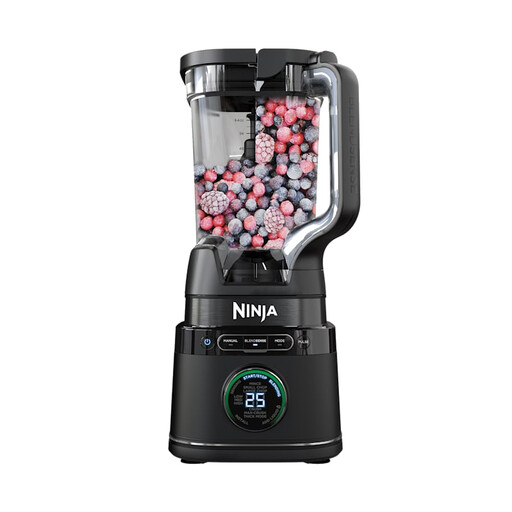
Why it suits this profile: The larger jug is designed for family-sized portions or preparing several drinks at once. Its stated maximum liquid capacity is 1.9 litres.
The product details distinguish between jug capacity and maximum liquid capacity. They also specify a maximum continuous running time of 60 seconds.
2.1-litre jug, six-blade stainless steel assembly, three speeds plus pulse, and removable dishwasher-safe parts according to the product description.
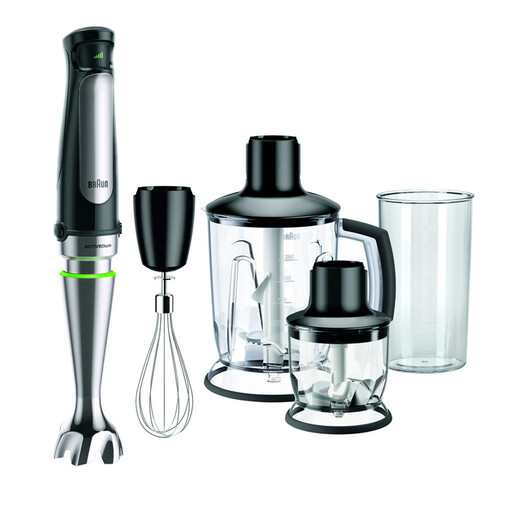
Why it suits this profile: This hand blender comes with several attachments for puréeing, chopping, whisking and crushing ice. It’s a good choice if you want to tackle a range of tasks with one compact motor unit.
The set clearly spells out what’s included: attachments include a 1.25-litre countertop blender jug, a 350-millilitre chopper and a whisk.
1000-watt motor, SmartSpeed control, ACTIVEBlade technology and an EasyClick+ system with several removable attachments according to the product details.
We’ve put together a comprehensive, regularly updated list of products that meet these strict selection criteria and fully comply with the safety regulations in force in the EU.
Models with different power ratings can be suitable for smoothies, sauces and soft ingredients. For ice, frozen fruit or nuts, the blade design, ice-crushing function and permitted running time also matter. Wattage alone isn’t enough to compare blenders.
Glass doesn’t retain odours and feels sturdy, but it’s heavier and more prone to damage from knocks than plastic. A glass jug may be a good choice if material feel and stability matter more to you than low weight. Also check whether the jug is dishwasher-safe.
A blender’s lifespan depends on how it’s used, cleaned and maintained, and whether it’s overloaded. Don’t run it empty, don’t exceed the maximum fill level, and stick to the running time given in the manual. Always unplug the appliance before cleaning it or changing attachments.