Hosts short on preparation time
If you only start getting ready after your late shift, what matters is when the first usable batch will be ready – a daily output figure alone won’t tell you that.


If friends are coming round shortly after your late shift, first compare how long the first batch takes and how many cubes it makes – don’t focus on daily output alone. For several rounds of drinks, you’ll also need to consider ongoing production, the water tank and the basket. If you’re short on worktop space, ice cube trays may be a good option, provided you can prepare them in the freezer in advance. The F.A.Z. Buying Guide considers ice cube trays a possible solution for the occasional drink. Manufacturer figures apply to the specific model and don’t guarantee the same results in every home.
If you only start getting ready after your late shift, what matters is when the first usable batch will be ready – a daily output figure alone won’t tell you that.
If you’re serving several rounds of drinks, plan separately for ongoing production, the water supply and the amount of ice the basket can hold.
If you only bring the machine out occasionally, its footprint and how easily you can access the tank and basket are important factors to consider.
For a visit after your late shift, assess the first batch, the supply for further rounds and the space available separately.
| Buying priority | What to check | Who is this especially important to? |
|---|---|---|
| First round of drinks | Check the time and number of cubes in the first batch for the specific model; daily output and cycle time answer different questions. | If you have little time to prepare after your shift, you’ll want to know when the first glasses can be served. Around 36% of consumers prioritise the first batch of ice. |
| Keeping guests supplied | Compare the cycle time, tank capacity and basket capacity; remember to factor in emptying the basket during your visit. | If you’re serving several rounds of drinks, you’ll need a plan for ongoing production and ice ready to use. Around 29% of consumers focus primarily on a steady supply. |
| Space and access | Measure the width, depth and height of the space you have in mind, and check that you can easily access the lid, tank and basket. | If you only set up the machine when you have guests and are short on worktop space, you’ll want to use it easily and put it away again without hassle. Around 21% of consumers consider the space it takes up their main concern. |
| Cleaning up after your guests | Check how easy it is to access the tank and basket, and what the instructions say about leftover water and cleaning. | After a visit, you’ll want to put the machine away without having to deal with unnecessarily complicated maintenance. Around 14% of consumers prioritise easy cleaning. |
A figure per day doesn’t tell you how much ice will be ready when your guests arrive. Cycle time, daily output and basket capacity are different measures.
Plan for the first round of drinks using the cycle time for the specific model. For later rounds, take ongoing production and basket size into account.
Even if a machine’s overall dimensions appear to fit, you still need to be able to fill and operate it in the space you have chosen.
Measure the space and check that you can open the lid and reach the tank and basket there.
A cleaning programme doesn’t automatically replace care of accessible parts or the instructions in the manual.
Read the care instructions for the specific version and check how the tank and basket should be cleaned after use.
Worth considering if you want to compare a bullet ice maker with two sizes and a 2-l tank.
The IceMaster Pro 3301 is worth comparing if you want to look at cycle time, tank capacity and external dimensions together.
The Bartender Pro 41143 is worth considering if you want to look separately at tank and basket capacity for several rounds of drinks.
The 120-watt ice maker is worth comparing if you want to factor a timer, ice sizes and ongoing production into your plans.
The LIFE Nugget Ice Maker MD 11960 is worth considering if you specifically want nugget ice rather than bullet ice.
The following Joybuy products are compact countertop ice makers for preparing a first batch and getting ready for several rounds of drinks.
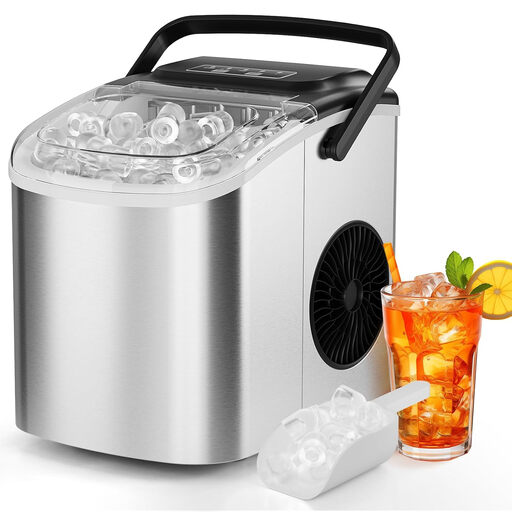 No image available
For a first batch when you’re short on time; the stated time is for nine ice cubes.
Specifications include two ice cube sizes, a 1.2-l water tank, a basket, a scoop and a self-cleaning function. Daily output is stated as up to 12 kg.
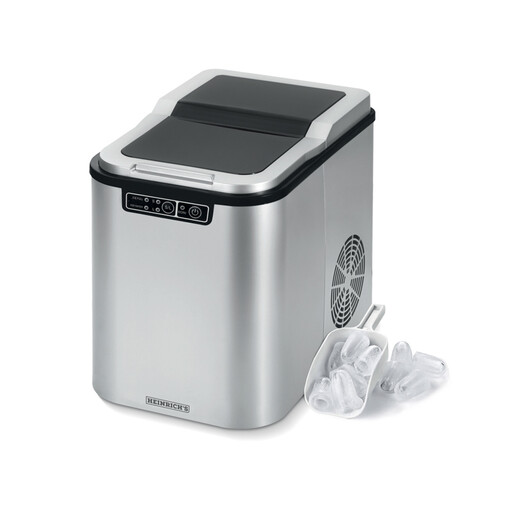 No image available
For a first round when you want to compare the stated batch size and tank as separate factors.
The title specifies two ice cube sizes, 9 cubes in 9 minutes, daily output of 12 kg in 24 hours and a 2.2-l water tank. A self-cleaning function is also listed.
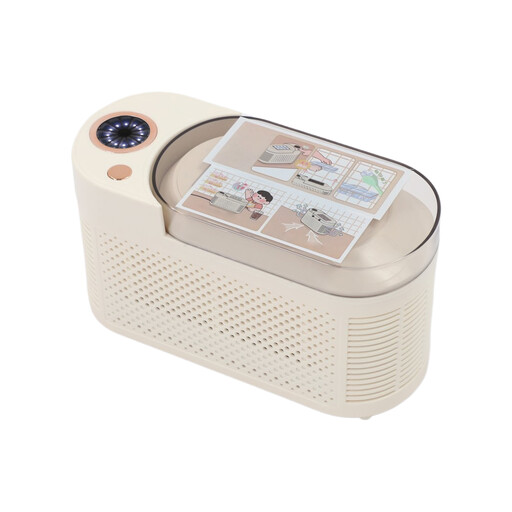 No image available
For buyers who want to consider the stated power options for use away from home as well as at home.
The description lists AC and 12 V power, ice tongs and eight square ice cubes per cycle. Daily output is not specified.
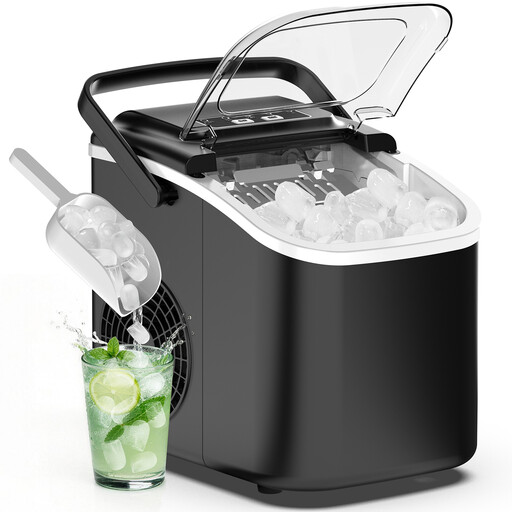 No image available
For a first round when you’re short on time; the stated time and number of cubes are for one cycle.
The title specifies two ice cube sizes, a self-cleaning function and up to 12 kg of ice in 24 hours. An ice scoop is also listed.
 No image available
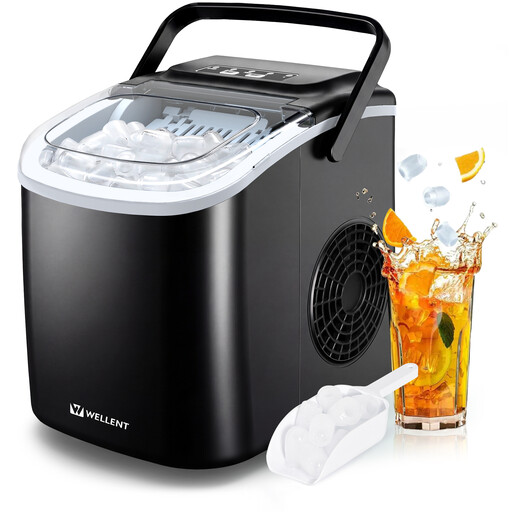
For planning several rounds, if you want to assess the tank capacity and the amount of ice ready at any one time separately.
The description specifies that the first ice cubes are ready after six minutes, output of up to 12 kg in 24 hours, two ice cube sizes, a 0.8-l water tank and a basket that holds 0.45 kg. A self-cleaning function and carry handle are also listed.
Not necessarily. The daily output figure doesn’t tell you how much ice will be ready straight away. Check the first batch for the specific model and allow for the time available before your guests arrive. For example, CASO Design states that the IceMaster Pro 3301 takes 6–13 minutes per cycle; this is the manufacturer’s figure for this model.
Before buying, check the external dimensions and make sure you can easily reach the lid, tank and basket where you plan to put it. After use, follow the instructions for dealing with leftover water and cleaning the specific machine; a cleaning programme doesn’t automatically replace care of accessible parts.
Your statutory rights if a product is faulty are generally against the seller; a manufacturer’s guarantee is a separate, voluntary arrangement with its own terms. The German Consumer Advice Centre distinguishes between these two types of claim. Before buying, check who the seller is and which guarantee terms apply to the model.
EU rules on materials that come into contact with food apply to materials intended to come into contact with water or ice for drinks, as explained by EUR-Lex. Electrical equipment covered by the relevant harmonised legislation must carry the required CE marking. Your Europe explains that the CE mark is not a certificate issued independently by a central EU body; an ice production figure alone doesn’t establish that an individual product listing complies with the rules.