Spontaneous hosts
You want to serve the family iced coffee with ice as soon as they arrive, then make more batches afterwards.


A countertop ice maker is a good choice for a family visit if you want to make more ice as you go and don’t want to wait long for the first batch. Compare the number of pieces and time per cycle, as well as the tank and basket capacity of the specific model. A daily output figure tells you little about how much ice is ready straight away. Testberichte.de points out that the basket is usually not refrigerated, so you may need space in the freezer for batches you prepare in advance.
You want to serve the family iced coffee with ice as soon as they arrive, then make more batches afterwards.
You’re serving several drinks in succession and want to coordinate production cycles, refilling and collecting the ice.
You’re choosing between small nuggets for iced coffee and larger cubes, and planning around the production time for each type.
First, work out how quickly you’ll need the first batch. Then consider the ice shape, ongoing supply, the space it takes up and how much cleaning it requires.
| What you need | What to look for | Who is it important to? |
|---|---|---|
| First batch ready in time | Check the time and number of pieces per cycle; don’t confuse this with the daily output. | When family turn up unexpectedly, I want to serve the first iced coffees without a long wait. That’s why around 36% of consumers put having the first batch ready in time first. |
| More ice for several drinks | Check the tank volume, basket capacity and any full-basket alerts; plan for collecting ice and refilling the machine. | When several guests are getting drinks one after another, I want to know how to keep production going without unnecessary interruptions. Around 29% of consumers prioritise a continuous supply. |
| The right ice shape | Compare the shape of the ice and the quantity needed per glass with the specifications for the specific model. | If I prefer small pieces in my iced coffee or specifically want larger cubes, the ice needs to suit my drinks. Around 21% of consumers prioritise their preferred ice shape. |
| Space and care | Check the appliance’s dimensions, where it can be placed, and how it is emptied and cleaned. | If I have limited worktop space and want to keep maintenance to a minimum after the visit, I want to assess the space and cleaning involved in advance. Around 14% of consumers put space and care first. |
A figure in kilograms per 24 hours doesn’t tell you how much ice is ready in the first cycle. Basket capacity and production time are separate figures too, and the basket is usually not refrigerated.
Plan around the number of glasses you want to serve at once and the cycles you’ll run during the visit. Check the first batch, basket and tank specifications for the model you’re considering.
Depending on how you serve the drinks, you may need extra preparation time and possibly some space in the freezer.
A rinse cycle alone doesn’t mean every part has been cleaned. The emptying process and access to the areas that need cleaning also vary from one appliance to another.
Before buying, check the cleaning and emptying instructions for the specific model.
Emptying the appliance and carrying out the other cleaning steps will take extra time after your visit.
Ice cube trays may be enough for occasional use if you prepare the portions in advance. For an on-demand supply during several rounds of drinks, however, you’ll need to allow more time for freezing.
First, decide whether you want to make more ice as you go or whether you can prepare the amount you need in the freezer beforehand.
An extra appliance takes up space and needs looking after; ice cube trays make use of freezer space you already have.
The Freeze 48935 is an option if you want to see the ice-making progress and have a drain for leftover water.
The IceCube Pro is worth considering if you prefer larger cubes.
The LIFE Nugget MD 11960 is aimed at anyone who wants small pieces of ice for iced coffee.
The 120 Watt ice maker is an option if you want to choose between two ice sizes and use a timer to plan your drinks rounds.
With Euhomy, it’s important to check the full model number if you’re referring to a specific review.
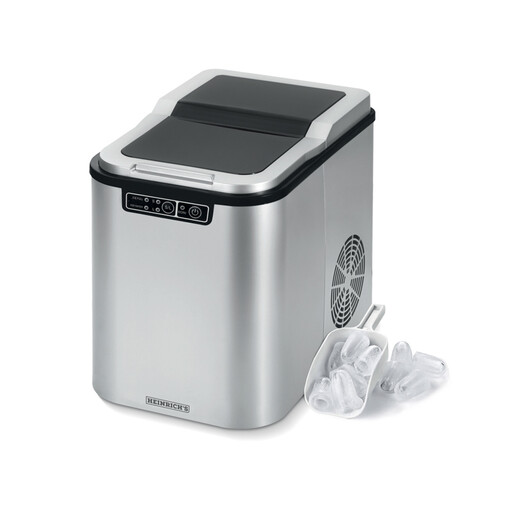
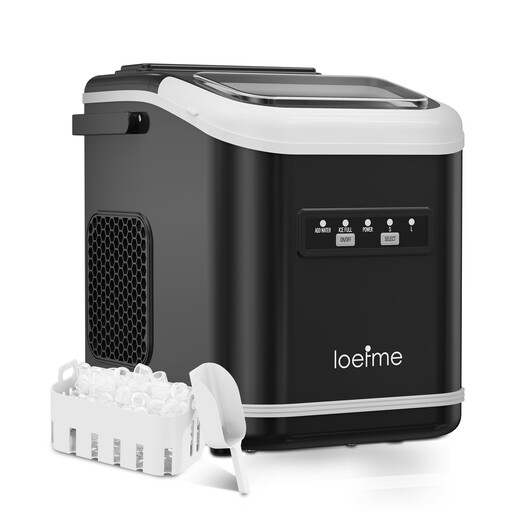
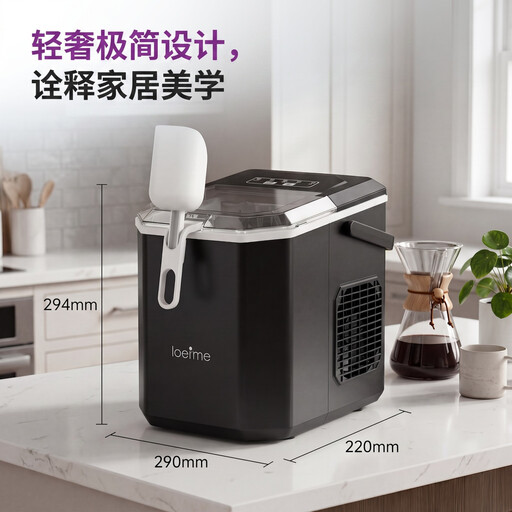
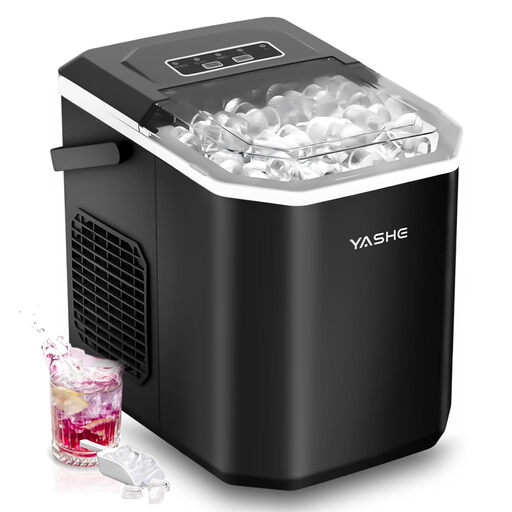
The following Joybuy products are for households that want to make more ice on the worktop while guests are visiting. The selection includes machines that make bullet ice and models with two specified ice sizes.
 No image available
Details of the first batch and two ice sizes can help you plan for different drinks.
9 ice cubes in 9 minutes; 12 kg per 24 hours; 2.2-l water tank; self-cleaning function.
 No image available
The stated short production intervals and two sizes may suit drinks rounds with varying ice requirements.
9 ice cubes every 6–13 minutes; two sizes (S/L); 12 kg per 24 hours; 1.4-l water tank; automatic cleaning.
 No image available
The stated production of two sizes can be useful if you want different types of ice for different drinks.
9 ice cubes every 6–13 minutes; two sizes (S/L); 12 kg per 24 hours; 1.2-l water tank; automatic cleaning.
 No image available
The stated time for the first batch and the choice of two ice sizes help you plan for your visit.
9 ice cubes in 6 minutes; two ice sizes; 26 lb per day; self-cleaning function.
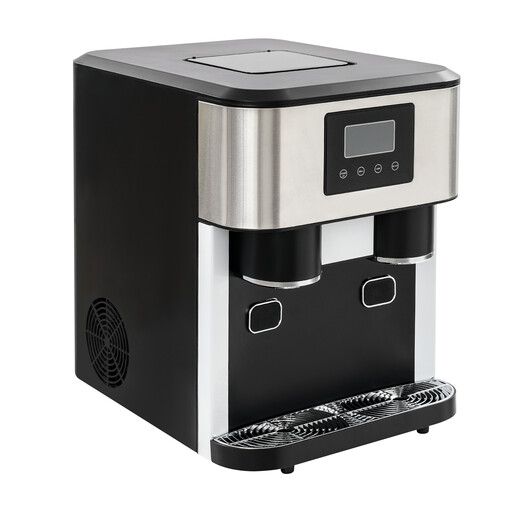 No image available
As well as bullet ice, the description mentions crushed ice and cold water, if you’d like to use these features when serving drinks.
16 bullet ice cubes per cycle in 7–9 minutes at room temperatures below 77°F; manual filling or water connection; indicators for a full ice basket and low water level.
Decide how many glasses you want to serve at once, then compare the number of pieces in the first batch with the time per cycle. For further rounds, allow time to collect the ice and refill the machine if necessary. Kilograms per 24 hours doesn’t tell you how much ice is ready straight away.
Only rely on this if it’s specifically stated for the model in question. Testberichte.de points out that the basket is usually not refrigerated, so you should make room in the freezer for batches you prepare in advance.
Check the dimensions and the instructions for the specific model. Disconnect the appliance from the power supply before cleaning or moving it, in line with the safety instructions. A drain for leftover water makes emptying easier on models that have one.
Your statutory consumer rights apply against the seller; a guarantee is a separate, voluntary benefit. The Verbraucherzentrale recommends considering guarantee terms and any paid additional services separately.
The CE marking means that the manufacturer declares the product conforms to the applicable EU rules. Your Europe points out that no central EU body issues a blanket CE certificate for every appliance; the marking isn’t a comparative test of ice quality or performance.
Electrical and electronic waste is collected separately and must not go in your ordinary household rubbish. The Umweltbundesamt provides information about separate collection; check where you can take your appliance for recycling.