Spontaneous single-glass mixers
If you want to scoop out ice at short notice for a fruit drink, look at how long it takes to make the first batch rather than focusing only on the stated daily output.


If you want ice at short notice for a single fruit drink and don’t want to prepare ice cubes in advance, a compact countertop ice maker with a convenient first batch and an easy-to-access water tank could be a good fit. If you only make a glass occasionally and have room in your freezer, first check whether an ice cube tray would do the job. Daily output alone tells you little about the first batch or how much cleaning is involved.
If you want to scoop out ice at short notice for a fruit drink, look at how long it takes to make the first batch rather than focusing only on the stated daily output.
If you only want to get the appliance out when you need it, make sure its dimensions, the space needed to open it and remove the ice, and the tank and controls all suit your worktop.
If you only need ice now and then and can plan your drinks in advance, compare the convenience of a machine with using an ice cube tray in your existing freezer.
For a single fruit drink, the key considerations are the appliance’s size, when the first batch of ice will be ready, how easy it is to clean, and whether an ice cube tray in the freezer would be enough.
| What matters | What to check before buying | Who will find this important? |
|---|---|---|
| Space and suitable capacity | Check the external dimensions, clearance needed to use the appliance and tank capacity. A small tank may need refilling more often when making several drinks. | If I have limited worktop space and usually only need one serving, I want to choose an appliance and tank that suit my needs. Around 31% of consumers put space and capacity first. |
| First batch of ice | Compare the time to the first batch and the number of pieces per cycle, not just the daily output. | For a drink I’ve just mixed, I want to know when the first batch will be ready. Around 31% of consumers prioritise the first batch of ice. |
| Cleaning and hygiene | Check the cleaning instructions, how easy it is to access the basket and water outlet, and what maintenance is required. | I want to be able to reach and clean the parts that carry water or come into contact with ice after use. Around 23% of consumers prioritise cleaning and hygienic handling. |
| Alternative to an ice cube tray | Weigh up how often you’ll use it and how much freezer space you have. Actual energy consumption and running time are more useful than wattage alone when estimating running costs. | If I only need ice occasionally and can plan ahead, I’ll check whether an ice cube tray will do. Around 15% of consumers give the greatest weight to whether a separate appliance is worthwhile. |
Figures for daily ice production and for the first batch describe different usage scenarios. For a single drink, daily output alone isn’t very useful.
Check how long it takes to make the first batch and how many pieces each cycle produces. Only focus on daily output if you plan to make several batches regularly.
A cleaning function doesn’t automatically mean that the container and food-contact parts need no further care.
Read the instructions for the specific model before buying, and check how easy it is to reach the parts that need cleaning.
The practical benefit of a machine is that it makes ice without you having to fill a tray in advance. If you can plan ahead, you may not need this convenience.
Decide whether a separate machine makes sense for you based on how often you’ll use it and the freezer space available.
The IceChef Compact is a documented compact option for kitchens with limited space.
The documented 2-litre ice maker is aimed at people who want two ice sizes and a first batch without a long wait.
The documented 1-litre machine is another countertop option, with details about its cycle and water drainage.
The Freeze 48935 is worth considering if you need a medium-sized tank and indicators for the water level or a full ice basket.
The Bartender Pro 41143 is better suited to making repeated batches and kitchens with room to spare than to the smallest possible setup.
These appliances make ice for drinks at home. Compare them mainly by how much ice you want at a time, how quickly the first batch will be ready and which type of appliance suits your available space.
 No image available
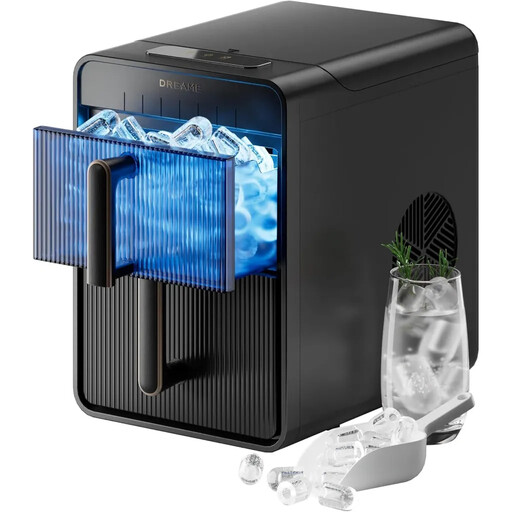
The tank and cycle details can help you weigh up worktop space against having ice ready at short notice.
900 ml tank; 12 kg daily output; 6–8 minutes per cycle; two ice sizes; cleaning function.
 No image available
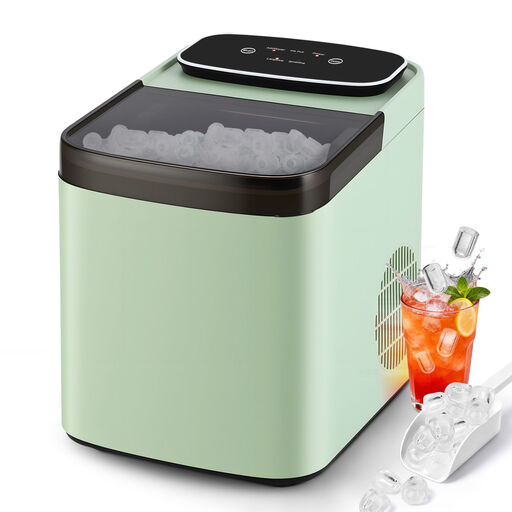
The stated cycle time and number of cubes are useful points of comparison if you want a first batch without preparing an ice cube tray in advance.
1.3-litre water tank; two ice sizes; nine ice cubes per cycle; around six minutes to make ice, according to the product description; self-cleaning function.
 No image available
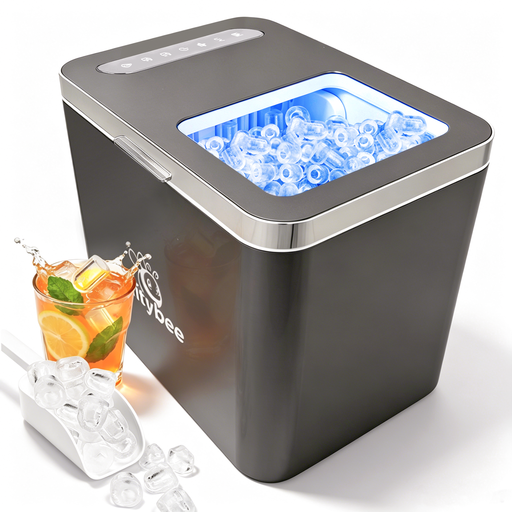
The ice sizes and time to the first batch described can help you decide whether this appliance suits your drinks.
1.2-litre tank; two ice sizes; around nine ice cubes in the first batch after six minutes, according to the product description; self-cleaning programme.
 No image available
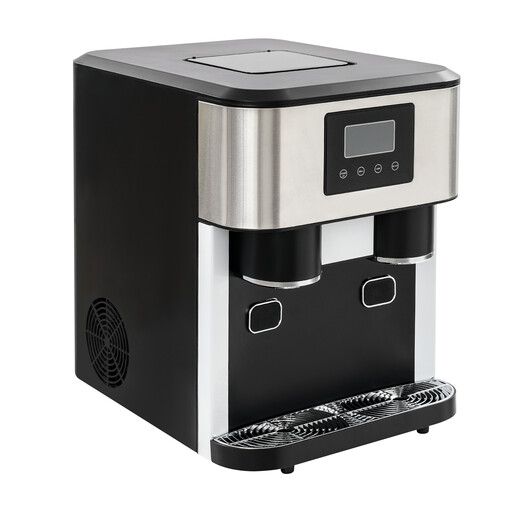
This model may suit you if you’d like to use the described crushed ice and cold water functions as well as making ice cubes.
According to the product description, makes 16 ice cubes per batch in 7–9 minutes at room temperatures below 77°F; fill manually or connect to a water supply.
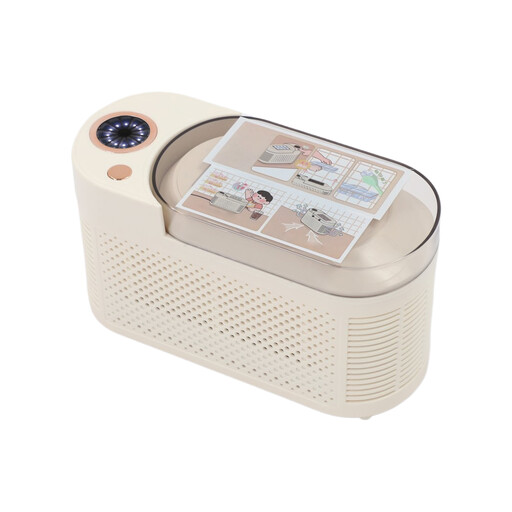 No image available
The stated cube shape and power options are worth considering if you plan to use the appliance in different places.
120 W; square ice cubes; eight ice cubes per cycle; cleaning function; described as suitable for indoor use or 12 V use in a car.
Put fruit in your drink, not in the water tank, unless the instructions for your specific appliance explicitly say you can. The instructions for the CASO IceMaster Comfort specify that drinking water must be used to make ice. The consumer advice centre recommends washing fruit thoroughly and preparing fruit drinks hygienically.
Compare the external dimensions of the specific model with your worktop, and check that the basket and drain for leftover water are easy to reach for cleaning. A cleaning function is a feature of the appliance; it doesn’t automatically mean that no other maintenance is needed.
Not from the wattage alone. To calculate the cost, you’ll also need the actual running time or a measured energy consumption in kWh, as well as your electricity tariff.
Only if the EU regulations that apply to the specific electrical appliance require one. The European Union explains that a CE mark should be present where required. It is a manufacturer’s declaration, not an independent quality mark.
Your statutory rights apply against the seller, while any additional guarantee is voluntary and subject to its own terms. The consumer advice centre distinguishes between these two rights. If a product is faulty, repair or replacement may be the first remedy available.