Households with different mealtimes
If you don’t serve fruit drinks to everyone at the same time, being able to make and remove batches as you need them can be more practical than making one large batch.


For fruit drinks served at different mealtimes, a countertop ice maker is a good choice if it can produce fresh batches in time and has an ice basket that’s easy to remove. Compare the time to the first batch, the number of cubes per cycle and the water tank separately from the daily output: kilograms per 24 hours don’t tell you how much ice the machine can hold. A larger tank can mean less frequent refilling, but it takes up more space. If you want to keep ice until your next meal, you’ll need to plan for separate storage.
If you don’t serve fruit drinks to everyone at the same time, being able to make and remove batches as you need them can be more practical than making one large batch.
If you’re serving several glasses in a row, it’s worth considering the tank capacity, further production cycles and how easy the ice is to dispense.
If you want ice on demand but have limited worktop space, check the machine’s dimensions before you buy.
First compare how long it takes to make the batch you need and how much ice the machine can hold. Then consider tank size, cleaning and the space it will take up. For mains-powered appliances in Germany, you should also check the model-specific information on mains voltage and CE marking. The CE marking is not an independent quality mark.
| What matters when buying | What to look for | Who is it important to? |
|---|---|---|
| Ice ready at the right time | Check the time to the first batch and the number of cubes per cycle separately. | If I need individual batches at different mealtimes, what matters to me is when fresh ice will be ready. Around 36% of consumers prioritise having ice ready on time. |
| Fresh ice without frequent refilling | Compare the water tank, production rate and ice basket capacity separately. | If I’m serving several glasses throughout the day, I want to refill the water less often. Around 29% of consumers prioritise being able to make more ice as needed. |
| Cleaning and storage | Check whether the basket is removable, whether there’s a cleaning function and what the instruction manual says. | If I want to remove ice between meals and care for the machine as directed, I look for practical, easy handling. Around 21% of consumers prioritise cleaning and handling. |
| Counter space and ice shape | Check the machine’s dimensions and the type of ice it actually makes. | If I have limited worktop space or prefer a particular type of ice, the machine needs to fit my kitchen and suit my drinks. Around 14% of consumers prioritise space or ice shape. |
A figure in kilograms per 24 hours refers to the stated output over a day, not the amount of ice the basket can hold at once. If you need ice for later meals, you’ll need to plan for separate storage.
Check the ice basket capacity and, if needed, make room in your freezer or plan another production cycle.
If you want ice ready to serve later, you may need extra freezer space.
If you’re serving several glasses at different times, further cycles, the water level and how easily you can remove the ice all matter too.
Compare the cycle time and tank capacity with the batches you actually want to have ready.
A self-cleaning function runs a specific cleaning cycle; it doesn’t mean you can skip all other care.
Before buying, check the instruction manual and make sure the tank and basket are easy to access for the recommended cleaning.
Allow time for the care recommended in the instruction manual.
The IceChef Compact and IceMaster Pro are options for different tank capacities and bullet-shaped ice.
The LIFE Nugget Ice Maker MD 11960 is worth considering if you’d prefer nugget ice to classic bullet-shaped cubes.
The Bartender Pro 41143 may suit you if a larger water tank and a specified ice basket capacity are important.
The IceVolcano 2G is an option if you want ice dispensed straight into your glass and would find a programmable timer useful.
The 2L Ice Maker is another option if two ice sizes and a carrying handle are important to you.
These countertop ice makers are designed to make individual or repeated batches. If you want to store ice until a later meal, plan for storage separately from the production basket.
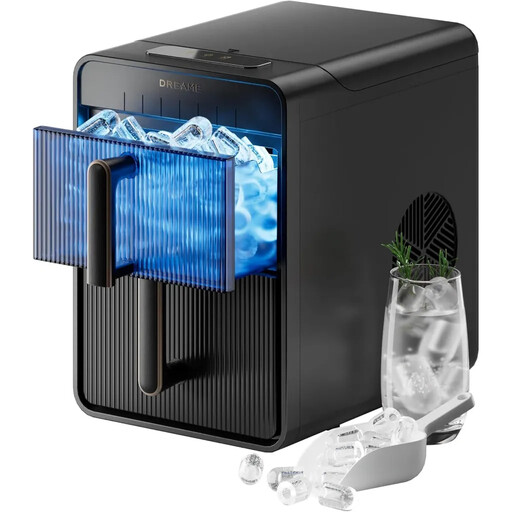 No image available
A good fit if you want to make individual batches at short notice.
The product title lists a 6–8-minute cycle, two bullet ice sizes, self-cleaning and a daily output of 12 kg.
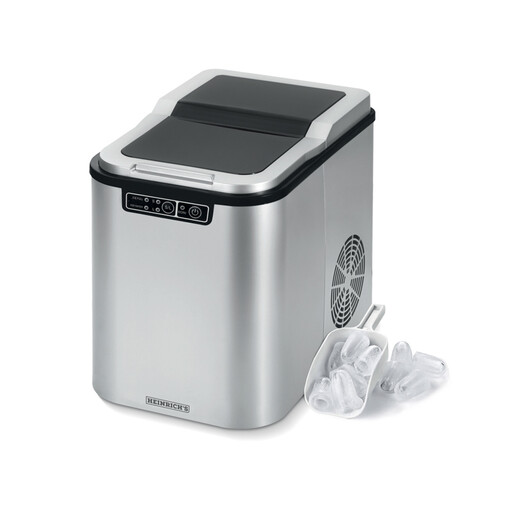 No image available
Could be a good choice for making repeated batches if you prefer a larger water tank.
The product title lists nine ice cubes in nine minutes, a 2.2-l water tank, two ice sizes, self-cleaning and an output of 12 kg per 24 hours.
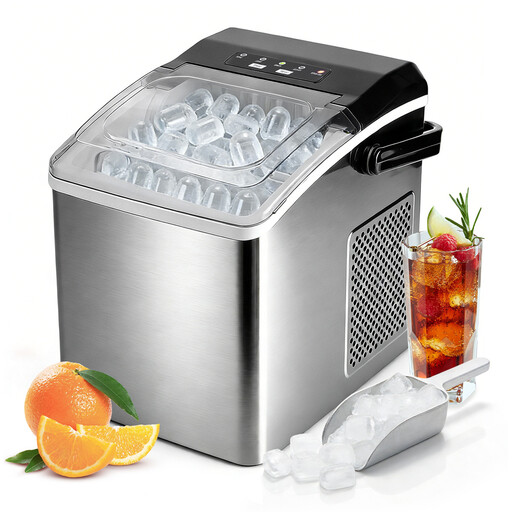 No image available
Could suit you if you’re planning several cycles and want a machine with a carrying handle.
The product title lists nine ice cubes in six minutes, a 1.3-l water tank, two ice sizes, self-cleaning and an output of 12 kg per 24 hours.
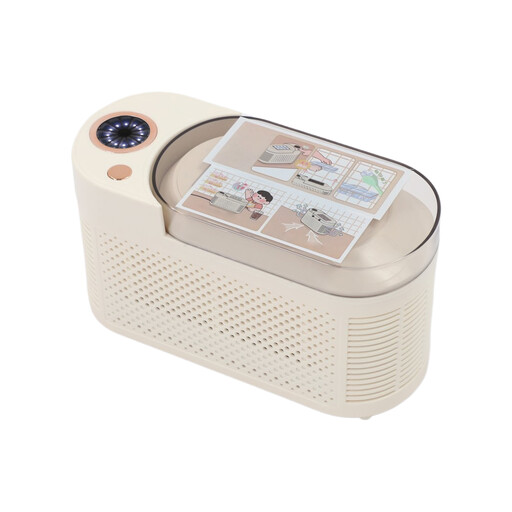 No image available
Could be worth considering if you’re looking for a portable countertop ice maker.
The product title lists 120 W and says it can be used at home and in the car.
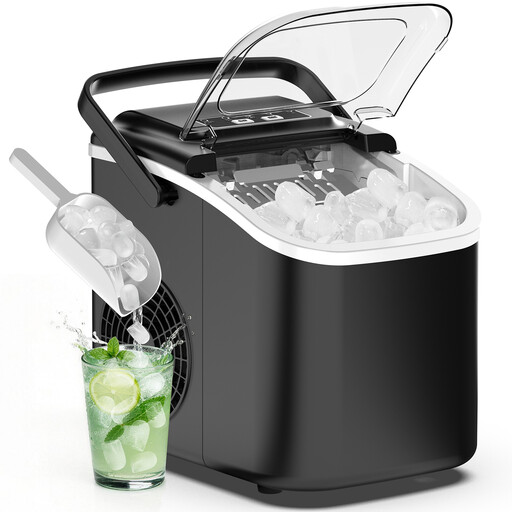 No image available
Could be a good fit if you want a choice of ice sizes and a dedicated self-cleaning mode.
The product title lists eight ice cubes in six minutes, a daily output of 12 kg, a food-safe inner container and an ice scoop.
No. A figure in kg per 24 hours refers to the stated output over a day, not the machine’s storage capacity. MEDION points out that this much ice can’t be stored in the machine. If you want to keep ice for longer, plan to use a separate freezer.
Set your start time based on the stated time to the first batch, and allow for extra cycles if you need more glasses. CASO lists 6–13 minutes for the IceMaster Pro. This is a manufacturer’s figure, not a guarantee for every environment or water temperature.
No. It’s a feature of the machine; follow the instruction manual for advice on caring for that specific model. The German Federal Institute for Risk Assessment treats hygienic handling of drinking water in the home as a separate topic.
When you buy a product, you have statutory rights if it’s faulty, subject to the relevant requirements of the BGB. These generally include the right to have the fault put right, and claims normally become time-barred two years after delivery. These rights are separate from any additional manufacturer’s guarantee.
No. Products covered by the relevant EU harmonisation legislation must carry the CE marking; by applying it, the manufacturer declares that the product complies with the requirements. For mains-powered household appliances, the Low Voltage Directive applies within its scope, including the voltage limits it covers.