When several people are making fruit drinks one after another, the amount of ice per cycle, the water tank and the ice basket matter more than daily output alone, as that doesn’t tell you how much ice is ready to use straight away. A more compact model may suit a small worktop or occasional use. In a shared kitchen, it’s also worth agreeing who is responsible for using fresh drinking water, serving the ice and cleaning the machine.
Who this type of use suits
Shared kitchen
When several people use the water, ice and serving utensils, clear arrangements for fresh drinking water and cleaning can help. The German Federal Institute for Risk Assessment and the Federal Ministry of Health offer guidance on handling drinking water at home.
Serving drinks in rounds
If you’re making several fruit drinks one after another, consider cycle time, tank capacity and the ice basket together, rather than relying on daily output alone. Arendo, CASO Design and GASTROBACK each provide details for specific models.
Limited worktop space
If you’re likely to make ice in smaller batches, check the machine’s dimensions, how it’s filled and whether you can reach the removable parts where you plan to put it. Klarstein, CASO Design and GASTROBACK provide information for different models.
What to look for when buying
In a shared kitchen, it’s worth checking hygiene and access to the machine’s parts early on, alongside how easily it can keep up with several drinks.
| What matters |
What to check when buying |
Who it matters most to |
| Hygiene when sharing |
Check access to the tank and ice basket, the serving scoop and the cleaning instructions for the specific model. |
If several people use the water, ice basket and scoop, I want to know who will refill the machine with fresh water and look after the parts. Around 33% of consumers put hygiene and serving first. |
| Keeping up with several drinks |
Compare the amount of ice per cycle, cycle time, tank and ice basket separately; allow time for the first batch before serving. |
If several fruit drinks are being made one after another, I want to know when the next batch will be ready. Around 25% of consumers prioritise having enough ice for several drinks. |
| Space and ease of use |
Check the machine’s dimensions against the available space, and make sure the lid, tank and ice basket remain easy to reach. |
With a shared worktop, I want to be able to fill the machine and serve the ice without permanently taking up kitchen space. Around 25% of consumers focus mainly on the space needed and ease of access. |
| Choosing the right ice size |
Check which ice sizes are available for the version on offer and what shape of ice it makes. |
If I’m preparing different glasses or drinks, I want to be able to choose a suitable size of ice. Around 17% of consumers put the available ice size first. |
Common buying mistakes
-
Assuming daily output means ice is ready straight away
Manufacturers’ figures for daily output and cycle time describe different things. If you’re making several drinks in quick succession, it also matters how much ice is ready to serve at any one time.
Compare the time per batch and the size of the ice basket as well as the daily output.
More batches can mean more waiting. Plan to make the first batch before you start serving drinks.
-
Assuming a cleaning function means no maintenance
A cleaning function doesn’t replace fresh water or the care of the basket and serving utensils. The German Federal Institute for Risk Assessment provides guidance on handling drinking water hygienically at home.
If you share the machine, agree who is responsible and follow the cleaning instructions for the specific model.
Allow time in your kitchen routine to change the water and care for the basket and scoop.
-
Measuring only the footprint
You also need to be able to fill the machine and serve the ice easily where it’s positioned; measuring its footprint alone won’t tell you that.
Check all the machine’s dimensions against the space available, and make sure you can reach the lid.
Key brands at a glance
Arendo
Countertop model with a 2-l tank and two selectable ice sizes.
- For the larger ice size, Arendo says it makes nine bullet-shaped ice cubes in around nine minutes.
- This manufacturer’s figure relates to the example given and isn’t a comparative test of all Arendo models.
Klarstein
The IceCraft is a countertop model with a 1.3-l water tank.
- Klarstein says the IceCraft makes its first batch in six minutes and can produce up to 12 kg a day.
- Bear the smaller tank in mind when estimating how often it’ll need refilling. Daily output doesn’t tell you how much ice is ready at any one time.
CASO Design
The IceMaster Pro, item no. 3301, has a 2.2-l tank and two selectable ice sizes.
- CASO Design says the first ice cubes take six to 13 minutes to make, and gives the machine’s dimensions as 240 × 320 × 360 mm (W × H × D).
- Daily output doesn’t tell you how much ice is in the basket at any one time. Also check that the machine will remain accessible where you plan to put it.
GASTROBACK
The Bartender Pro, item no. 41143, has a 2.8-l tank, a removable ice basket and a cleaning function.
- The removable parts can make serving easier when the machine is shared and used repeatedly.
- GASTROBACK gives the machine’s dimensions as 400 × 240 × 430 mm. Check the space it needs and how to care for it, even with a cleaning function.
Joybuy products for fruit drinks
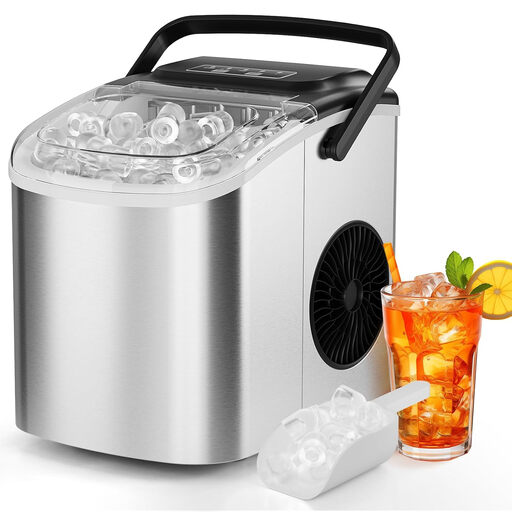
This Joybuy selection includes ice makers with different ice sizes, for serving drinks in successive rounds and with a range of tank capacities.
 No image available
Ice maker with 2 ice sizes and a 1.2-l tank
For making several drinks one after another when you want a choice of two ice sizes.
The product name specifies: 9 ice cubes in 6 to 12 minutes, a 1.2-l water tank and two ice sizes. A scoop, basket and self-cleaning function are also listed.
The self-cleaning function doesn’t replace caring for the water and parts as instructed for the model.
View at Joybuy
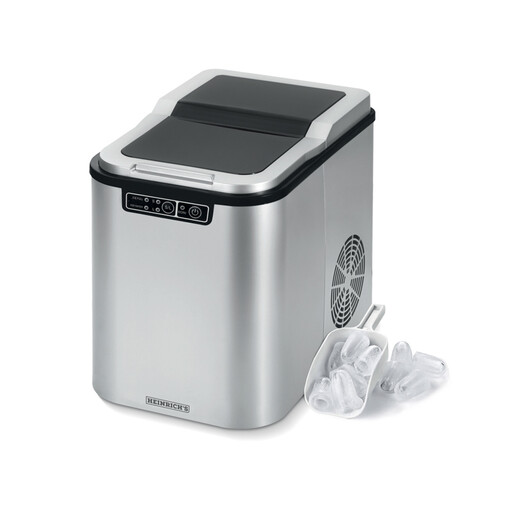 No image available
120 W ice maker with 2 ice sizes and a 2.2-l tank
For serving drinks in successive rounds when a larger tank and two ice sizes are important.
The product name specifies: 9 ice cubes in 9 minutes, a 2.2-l water tank and two ice sizes. It also lists ice production of 12 kg per 24 hours and a self-cleaning function.
Daily output isn’t the same as the amount of ice available at any one time. The self-cleaning function doesn’t replace following the care instructions.
View at Joybuy
 No image available
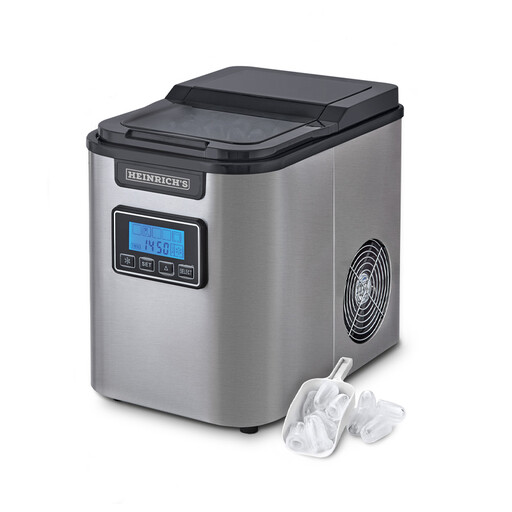
120 W ice maker with 3 ice sizes and a 2.2-l tank
For different drinks when being able to choose from three ice sizes matters.
The product name specifies: 9 ice cubes in 9 minutes, a 2.2-l water tank and three ice sizes. The product details also list ice production of 12 kg per 24 hours and a self-cleaning function.
Daily output doesn’t tell you how much ice is available at any one time; the cleaning function doesn’t replace following the care instructions.
View at Joybuy
 No image available
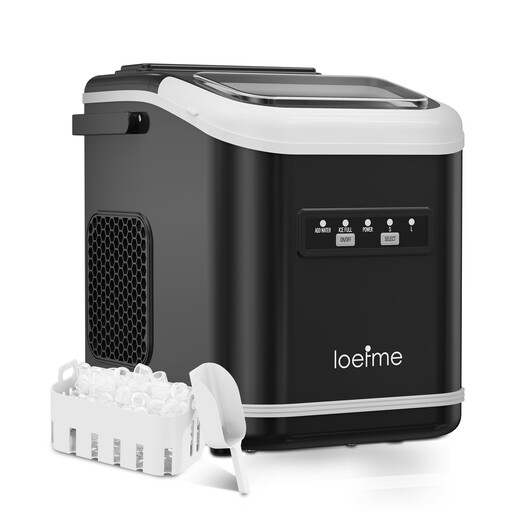
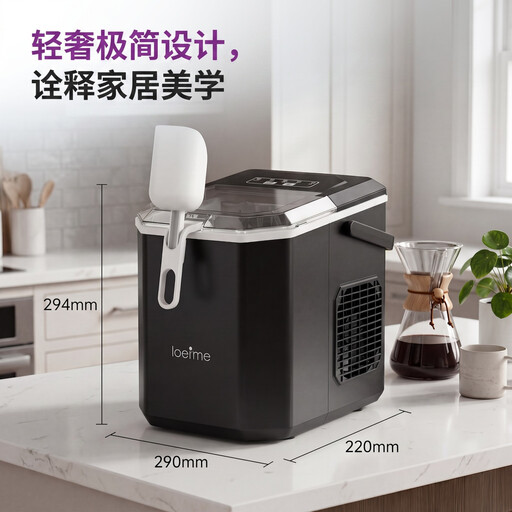
LOEFME 12/K with 2 ice sizes and a 1.4-l tank
For serving drinks when a 1.4-l tank and two ice sizes suit your needs.
The product name specifies: 9 ice cubes in 6 to 13 minutes, a 1.4-l water tank and two ice sizes (S/L). It also lists ice production of 12 kg per 24 hours and an automatic cleaning function.
Daily output doesn’t describe how much ice is ready straight away. The cleaning function doesn’t replace following the care instructions.
View at Joybuy
 No image available
LOEFME 12/G with 2 ice sizes and a 1.2-l tank
For making different portions of ice when a smaller tank and a stated ice basket capacity suit your needs.
The product name specifies: 9 ice cubes in 6 to 13 minutes, a 1.2-l water tank and two ice sizes (S/L). It also lists an ice basket with a 0.6 kg capacity and ice production of 12 kg per 24 hours.
Daily output isn’t a measure of how much ice is available at any one time. The automatic cleaning function doesn’t replace following the care instructions.
View at Joybuy
Frequently asked questions
Can I put fruit juice in the tank instead of water?
Only put liquids allowed by the instructions for the model you’ve bought in the tank; you can add fruit or juice to your drink. Arendo, CASO Design and GASTROBACK describe making ice with water.
What should we bear in mind when positioning and cleaning the machine?
Check the machine’s dimensions and access to the tank and ice basket. Agree who will change the water, serve the ice with the scoop and clean the parts according to the instructions for the specific model. A cleaning function doesn’t replace these tasks.
Does a daily output figure mean that the full amount is ready at once?
No. A manufacturer’s daily output figure doesn’t tell you how much ice is available at any one time. If you’re making several drinks one after another, also check the cycle time and the size of the ice basket.
Who is responsible if there’s a fault: the retailer or the manufacturer?
Your statutory rights are against the retailer; a guarantee is separate and depends on its terms. The Verbraucherzentrale explains the difference. Before buying, check the details of the retailer and, where relevant, the guarantee.
Can a broken ice maker go in household waste?
No. The German Environment Agency recommends collecting waste electrical equipment separately. Local recycling centres are one option for returning it.


