What to look for when buying
First, check that your dish will fit. Then consider how easy it is to control the heating, how straightforward the controls are and which functions you’ll actually use.
| What matters |
What to check when buying |
Who is this particularly important to? |
| Whether your bowl will fit |
Measure your bowl and cover, then compare their dimensions with the turntable and usable cooking cavity. |
If I’m using a large serving bowl, I want to know whether it will fit with the cover on. Around 36% of consumers are likely to consider dish size their top priority when buying. |
| Thorough reheating |
Choose a dish that’s easy to reach into and a microwave with adjustable power; stir part-way through and check the temperature. |
If I’m reheating couscous for several people, I want to spot any cold patches and even out the heat by stirring. Around 36% of consumers are likely to prioritise even reheating. |
| Ease of use |
Compare the controls and the time and power settings. |
If I mainly reheat food, clear settings matter more than extra baking programmes. Around 21% of consumers are likely to put ease of use first. |
| Extra functions |
Think about whether you’ll regularly use the grill or convection function; also consider the space you have and any accessories you’ll need. |
If I also want to brown or bake other foods, extra functions may be useful. Around 7% of consumers are likely to see versatility as their top priority when buying. |
Microwaves at Joybuy
This range includes solo microwaves for reheating, combination models with extra functions and models without a turntable.
 No image available
Severin MW 7580 solo microwave
For reheating with adjustable power; this model is described as having defrost and reheat functions.
19 l; 700 W; six power levels; turntable; inverter technology.
View at Joybuy
 No image available
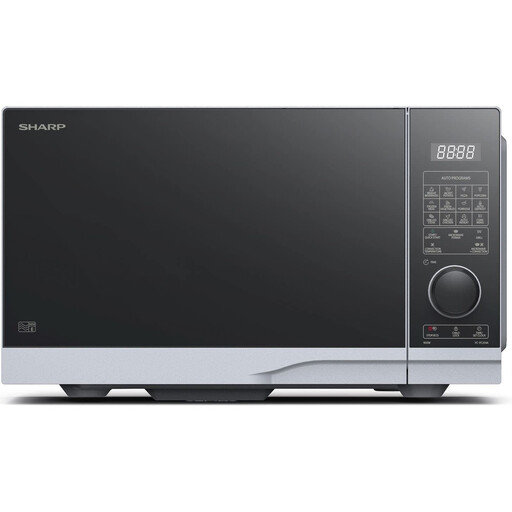
Sharp YC-PC254AE-S combination microwave
For reheating and other types of cooking if you want to use the grill and convection functions.
25 l; 900 W microwave output; grill and convection functions.
View at Joybuy
 No image available
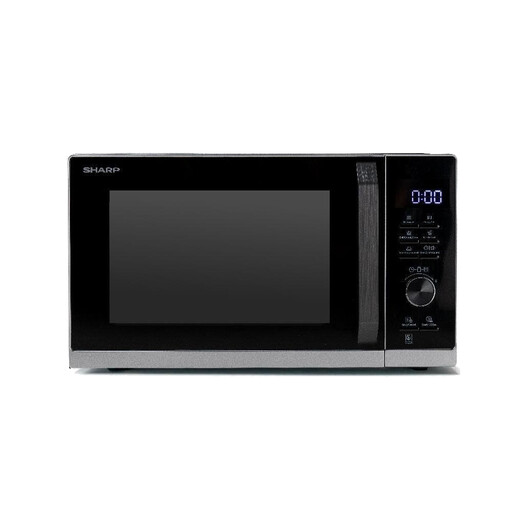
Sharp RCC271TS 3-in-1 combination microwave
For reheating and other cooking tasks, such as grilling or baking.
27 l; 900 W microwave output; 1,000 W grill; 2,100 W convection heating; six power levels.
View at Joybuy
 No image available
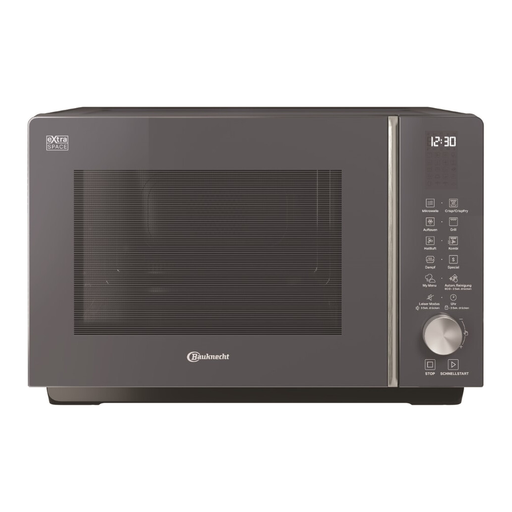
Bauknecht MF 259 SG combination microwave
The version without a turntable may suit wider dishes, but still compare the usable flat surface with the size of your bowl.
25 l; no turntable; grill, steam cooking and convection functions; six microwave power levels.
View at Joybuy
 No image available
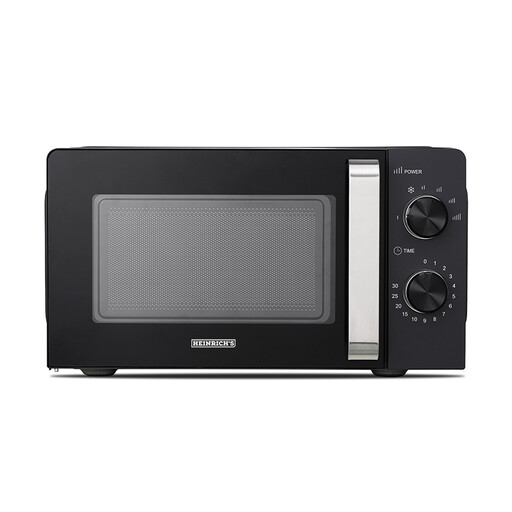
Heinrich’s HMW 8858 Titan solo microwave
For reheating with a timer; check that the turntable is large enough for your bowl and cover.
20 l; 700 W; timer; 24.5-cm turntable.
View at Joybuy
Frequently asked questions
How do I reheat cooked couscous in the microwave?
Use a dish that’s suitable for the power setting you’ve chosen, stir part-way through and check that the food is hot enough throughout. The Federal Institute for Risk Assessment recommends heating all parts of the food to at least 70 °C for two minutes. If in doubt, check the temperature with a suitable food thermometer.
Can reheating make couscous safe to eat after it has been left unrefrigerated for a long time?
Don’t rely on it. The Federal Institute for Risk Assessment notes that Bacillus cereus spores can survive typical heat treatments. Chill pre-cooked food promptly and keep it properly chilled during transport, too; choosing a particular microwave can’t make up for not knowing how the food has been stored.
What should I look for in a bowl and cover?
Check the dish manufacturer’s guidance on microwave suitability, maximum temperature and permitted wattage. Also measure your bowl and cover, then compare them with the usable cooking cavity and, if applicable, the turntable. The consumer advice centre recommends avoiding the microwave’s highest power setting if no permitted wattage is specified for a microwave-safe dish.
Is a solo microwave enough for couscous?
If you mainly reheat food and your bowl fits inside, a solo microwave may be all you need. A grill or convection function is more relevant if you also want to brown or bake other foods.
Who is responsible if the appliance has a fault?
For a purchase made in Germany, the retailer is generally responsible for the statutory warranty. The consumer advice centre describes a two-year obligation for retailers to ensure goods are free from defects, starting from purchase or delivery; this is separate from a voluntary manufacturer’s guarantee.


