
Lieferung heute & morgen

Qualitätsgarantie

Willkommens-Angebote freischalten: KOSTENLOSE Lieferung | Bis zu 80 % RABATT | Kostenlose 30-Tage-JoyPlus-Testphase
App herunterladen
As temperatures drop and the days grow shorter, the desire for warmth and comfort in our homes intensifies. A high-quality cozy blanket for winter is often the first choice. However, the market can be overwhelming, and not every blanket that looks soft will actually keep you warm. Before making a decision, it's helpful to understand the common pitfalls that often lead to disappointment and unnecessary expense.
As your Joybuy Product Recommendation Officer, I've compiled the key points to help you distinguish marketing promises from genuine quality features.
To avoid a poor purchase, you should focus on objective and measurable criteria. These three parameters are crucial for selecting the right blanket.
The type of material and its weight per square meter (grammage, often listed as GSM) are the most important indicators of a blanket's warmth and durability.
A blanket's dimensions should match its primary use. A standard throw blanket measuring 150 x 200 cm is ideal for snuggling on the sofa, even with a partner. Different rules apply for the bed. A winter duvet should be large enough to cover the body completely and seal the sides to prevent cold air from getting in. Common sizes here are 135 x 200 cm for single beds or 155 x 220 cm for more comfort.
A good winter blanket should be not only warm but also practical. Check the care instructions before buying. Machine washability at 30 or 40 degrees Celsius is a key advantage for keeping the blanket hygienic and fresh. Gentle care is especially important for fleece blankets to maintain their fluffy texture over the long term.
Here are some product recommendations tailored to different user profiles that meet the quality criteria mentioned above.
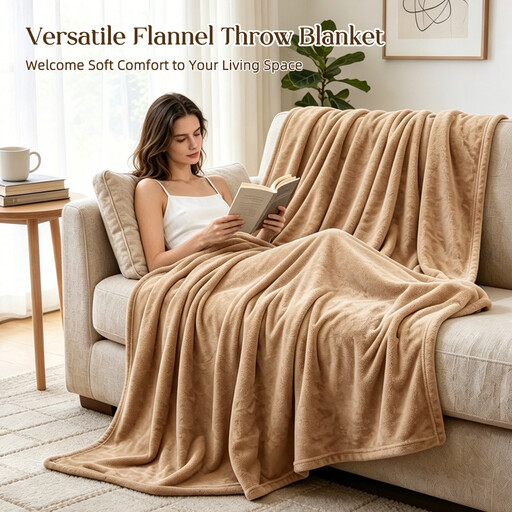
Why This Fits Their Persona: Ideal for anyone looking for a versatile and affordable blanket for the living room. It works as a warm sofa throw or as an extra layer on the bed.
The dense flannel fleece provides genuine heat insulation instead of just surface-level softness and is more resistant to pilling than simpler fleece fabrics.
Good warmth-to-weight ratio; easy to care for and machine washable.
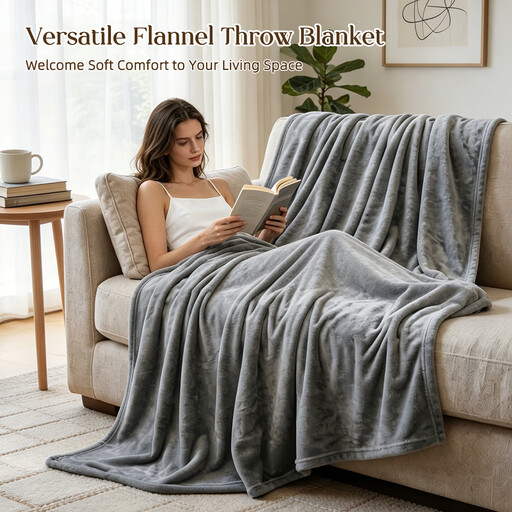
Why This Fits Their Persona: Perfect for those who seek maximum comfort and a soft feel for cozy evenings on the sofa. The classic color complements many interior design styles.
The generous 150 x 200 cm size and dense material ensure that the blanket is not just decorative but also serves as a functional, warm throw.
Very soft and pleasant surface texture; universal size for sofas.
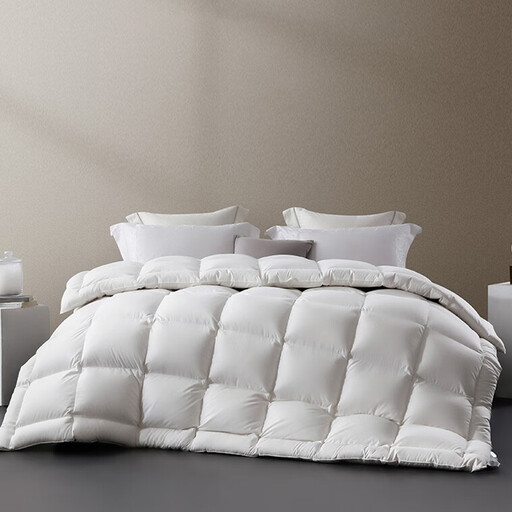
Why This Fits Their Persona: Designed for people who get cold easily at night and need a dedicated winter duvet with high insulation performance for cold nights.
This is not a simple cozy blanket but a genuine down duvet, specifically designed for thermal regulation during sleep, thus preventing overheating or feeling cold.
Natural filling for high breathability and heat retention; comfort size for optimal coverage.
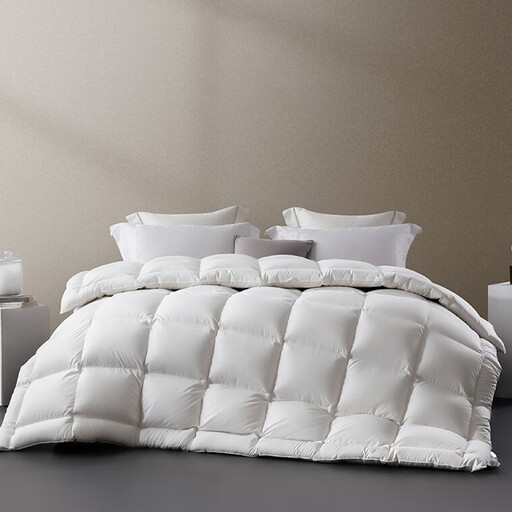
Why This Fits Their Persona: The solution for anyone looking for a warm winter duvet in the standard German size for single beds. Efficient, practical, and without excess material.
By offering the right size for its purpose, this duvet provides efficient warmth without the drawbacks of a blanket that is too large or too small.
Standard size for single beds (135 x 200 cm); high heat performance due to down and feather filling.
We have compiled a complete, up-to-date list of products that fully meet these strict selection criteria and applicable safety regulations.
A cozy blanket (or throw blanket) is primarily intended for use in living areas to provide extra warmth and comfort. It is usually lighter and more flexible. A winter duvet, on the other hand, is specifically designed for use in bed and has a filling (e.g., down, feathers, or synthetic fibers) that ensures high and consistent heat insulation throughout the night.
To maintain the softness of a flannel blanket, it should be washed on a gentle cycle at a low temperature (30-40°C) with a mild detergent. Avoid fabric softeners, as they can clog the fibers. Air-dry the blanket or tumble dry on very low heat. Excessive heat can damage the fibers and lead to pilling.
The warmth of a down duvet depends on several factors. A high down content relative to feathers (e.g., 90% down, 10% feathers) provides better insulation. The fill weight (the total amount of filling in grams) is also an indicator: a higher fill weight generally means a warmer duvet. Baffle-box construction, where the filling is enclosed in individual chambers, prevents it from shifting and ensures even heat distribution.