
Lieferung heute & morgen

Qualitätsgarantie

Willkommens-Angebote freischalten: KOSTENLOSE Lieferung | Bis zu 80 % RABATT | Kostenlose 30-Tage-JoyPlus-Testphase
App herunterladen
By the Joybuy Product Recommendation Officer, August 29, 2026
Deep, painful cracks in the heels, also known as fissures, are more than just a cosmetic issue. They can limit mobility and cause pain with every step. The market offers a vast array of creams and balms, but not every product promising quick relief for cracked heels delivers on its promise. Many users invest in products that ultimately offer only a superficial moisturising effect, failing to address the core problem: excessive, hardened calluses.
Before making a purchase, it's crucial to understand the common pitfalls that lead to unsatisfactory results:
To make an informed decision, focus on verifiable product features rather than marketing claims. Two parameters are critical here.
Urea is one of the most vital ingredients in foot care for dry skin and fissures. This active ingredient has two key functions: it is highly hygroscopic (water-binding) and, in higher concentrations, acts as a keratolytic agent, meaning it helps break down the bonds between dead skin cells in the callus.
While urea reduces calluses, other ingredients support the healing process of the underlying skin.
Instead of making a one-size-fits-all recommendation, we have identified products tailored to specific needs and use cases.
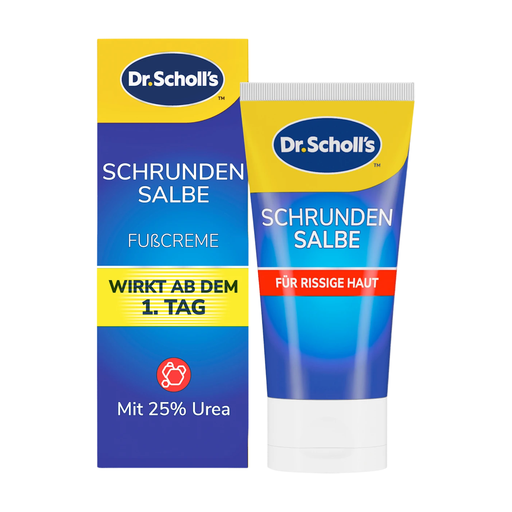
Why This Fits Their Persona: Ideal for individuals with deep, painful heel cracks who need a fast-acting and highly concentrated solution. The formula is specifically designed for acute treatment.
This product bypasses the low-concentration pitfall by using 25% urea, a clinically relevant dose for effective callus reduction.
The combination of high-dose urea and Active Repair K+ (containing keratin) addresses both the breakdown of calluses and the support of skin regeneration.
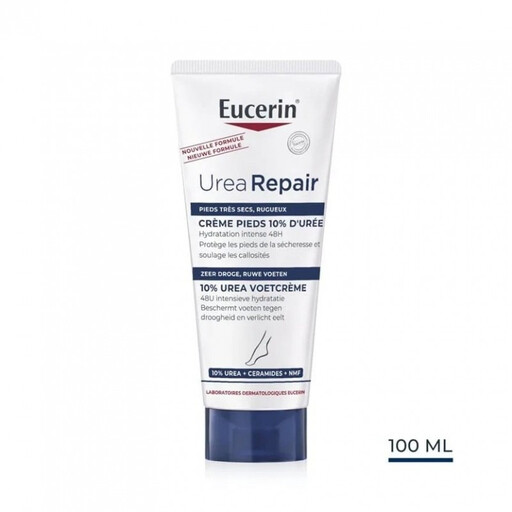
Why This Fits Their Persona: Suitable for users with dry skin prone to calluses who are looking for a reliable cracked heel cream for daily use to prevent problems from developing.
The cream relies on a proven concentration of 10% urea, which effectively moisturises without being too harsh for daily use. It's more than just a cosmetic moisturiser.
The formula absorbs quickly, is non-greasy, and also contains ceramides to strengthen the skin barrier. This makes it an excellent choice for a long-term care routine.
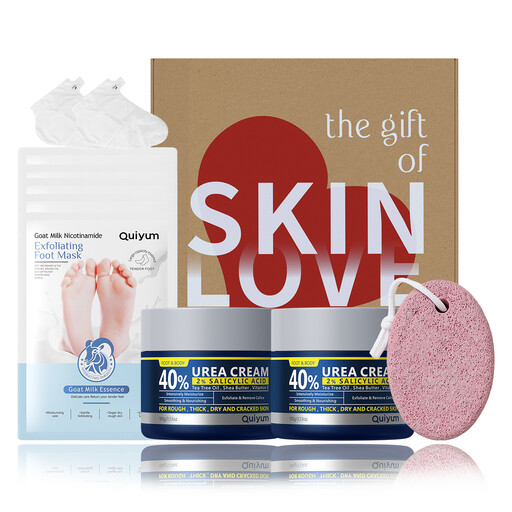
Why This Fits Their Persona: Perfect for those seeking a complete system to combat severe calluses and provide subsequent care. It offers a structured solution from exfoliation to moisturising.
This set doesn't rely on a single product but combines mechanical exfoliation (callus file) with chemical exfoliation (urea cream) and intensive moisturising (foot masks).
An all-in-one package that covers all the steps of a professional at-home pedicure. It includes urea cream, foot masks, and a callus file for a holistic approach.
We have compiled a complete, up-to-date list of products that fully meet these strict selection criteria and German safety regulations.
For intensive treatment, especially with highly concentrated products (e.g., 25% urea), it is recommended to apply it twice daily to clean, dry feet. Massage the balm thoroughly into the affected areas. Once the skin's condition has visibly improved, you can reduce the application to once a day or a few times a week to maintain the results and prevent recurrence.
The main difference lies in the concentration and purpose of the active ingredients. A cracked heel balm typically contains a high concentration of keratolytic substances like urea (often 10% to over 25%) to actively break down thick, hardened calluses and promote the healing of deep fissures. A conventional foot cream primarily serves for general moisturising and usually has a much lower concentration of active ingredients, which is insufficient for treating acute cracks.
Although it is formulated for the thick skin on the feet, a highly concentrated urea cream can also be used on other very callused and dry skin areas like elbows or knees. However, these formulas are generally too strong for the face or sensitive skin areas. Always follow the manufacturer's application instructions.