What should you look for when buying?
Start by comparing the nutritional information per 100 g for similar crackers. Then consider which ingredients and textures are suitable for the person having them with afternoon coffee.
| Criteria |
What to check |
Who it matters to |
| Sugar |
Compare the ‘of which sugars’ figures per 100 g for similar crackers; only rely on a claim such as ‘reduced sugar’ if it appears on the specific pack. |
I want to choose a cracker to have with my coffee that has a sugar level suitable for me, without relying on the front of the pack. For around 46% of consumers, this comparison is their main consideration when buying. |
| Wholegrains, fibre and salt |
Consider wholegrain ingredients and stated fibre alongside the salt content per 100 g. |
If wholegrains matter to me, I want to know how much salt the crunchy snack also contains. Around 27% of consumers would make this their first consideration. |
| Ease of chewing |
Check with the person concerned whether they find hard or crumbly crackers comfortable to eat. |
If I find chewing difficult, the accompaniment needs to be easy for me to eat. For around 18% of consumers, this would take priority over the nutritional values. |
| Gluten and allergens |
Check the ingredients, highlighted allergens and precautionary allergen statements on the specific pack. |
If I need to avoid a particular ingredient, I mainly need the relevant information on the label. Around 9% of consumers would put this requirement first. |
Crispbread as an alternative on Joybuy
These products are crispbread, not varieties described as crackers. They may make a crunchy accompaniment to afternoon coffee if crispbread suits the texture and ingredients you’re looking for. If you’re focusing on sugar, check the nutritional information on the relevant pack.
 Image unavailable
Schär Gluten-Free Dark Crispbread, 125 g
This crispbread may be an option if you’re looking for a crunchy gluten-free alternative; check the labelling on the specific pack. If chewing ability is limited, make sure the texture is comfortable to eat.
View on Joybuy
 Image unavailable
Wasa Sourdough Rye Crispbread, 235 g
This rye crispbread is an option if you’d prefer crispbread rather than crackers with your coffee. Compare the sugar and salt content per 100 g on the pack, and consider whether the crunchy texture is right for you.
View on Joybuy
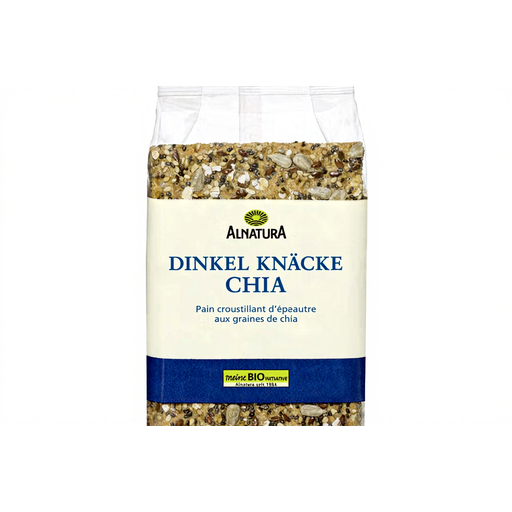 Image unavailable
Alnatura Organic Spelt Crispbread with Chia Seeds, 200 g
This spelt crispbread with chia seeds is worth considering when comparing crunchy accompaniments for coffee. Check the sugar, salt and ingredients on the current pack; spelt isn’t suitable if you need to avoid gluten.
View on Joybuy
 Image unavailable
Wasa Whole Grain Rye Crispbread, 260 g
If you’re considering a wholegrain rye option to have alongside your coffee, you could include this crispbread in your comparison. The nutritional information and ingredients on the specific pack still matter, as does whether the crunchy texture is suitable for you.
View on Joybuy
Frequently asked questions
Is a cracker with less sugar a better choice overall?
Not on the basis of its sugar content alone. According to Germany’s food industry association, a sugar-related claim doesn’t automatically tell you about the energy content or other ingredients. For similar crackers, compare the salt content per 100 g and the ingredients too.
Should I compare crackers per portion or per 100 g?
Nutritional information per 100 g provides a consistent starting point for comparing similar crackers. The portion information can then help you assess the amount you actually plan to eat. If a Nutri-Score is shown, it doesn’t replace the ingredients list or checking your personal requirements.
Are gluten-free crackers also lower in sugar?
No. Being gluten-free doesn’t mean a product has a particular sugar content. REWE lists 7.4 g of sugar per 100 g for the gluten-free Schär Crackers Salti; EDEKA24 gives 1.3 g per 100 g for the Alnatura Bio Dinkel Cracker natur, which contains gluten. If you need to avoid gluten, first check the relevant labelling, then compare the other nutritional values of suitable products.
What should I do if hard crackers are difficult to chew?
Choose an accompaniment based on what the person can comfortably chew, not just its nutritional information. The Federal Centre for Nutrition notes that chewing ability can decline with age, so a suitable softer accompaniment may be a sensible option.
Which information is especially important if you have allergies?
Check the ingredients list, highlighted allergens and any precautionary allergen statements on the specific pack. A brand name or suitable sugar level doesn’t tell you whether a variety meets your individual ingredient requirements.


