
Lieferung heute & morgen

Qualitätsgarantie
App herunterladen
Kategorien
Choosing the right adhesive is crucial for the success of any craft, repair, or DIY project. The properties of adhesives vary significantly depending on their chemical composition and intended use. Whether for office paperwork, creative projects with children, or creating stable bonds in home improvement tasks, selecting the right product depends on technical requirements like bonding strength, drying time, and material compatibility. This guide analyses the different types of craft glue and presents a selection of products for specific use cases.
The decision for an adhesive should be based on an analysis of the materials to be bonded and the project's requirements. The key differentiating factors are the adhesive type, safety aspects, and technical properties.
Glue Sticks: These are typically based on a solid, twist-up adhesive mass. They are primarily suited for bonding glue for paper, cardboard, and photos. Their application is clean and straightforward, making them an excellent choice for office work, school, and crafting with children. The bonding strength is designed for lightweight materials.
Liquid Glue: This category includes a wide range of products, from water-based craft glues to solvent-based all-purpose adhesives. Water-based versions are often washable and low-odour, ideal as a glue for kids. Stronger formulas can also bond materials like wood, fabric, or plastic and offer higher final strength.
Hot Glue: Using a hot glue gun, a solid glue stick is melted and applied in liquid form. The adhesive cools quickly, forming a strong, permanent bond. Hot glue is a versatile DIY glue for a wide variety of materials, including wood, plastic, ceramic, textiles, and more. It is often used for repairs and projects that require a strong adhesive with rapid curing.
Based on technical specifications and practical utility for defined use cases, we present a few products here.
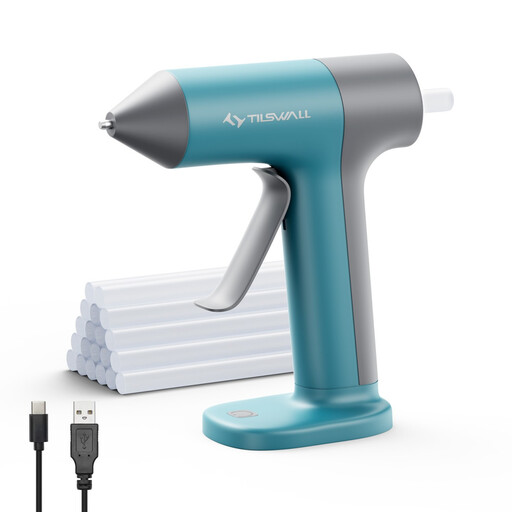
Why we recommend this product Tilswall's cordless hot glue gun combines mobility with functional safety features. Powered by a 2000mAh battery with a USB-C port, it allows for use without a cumbersome cord. The manufacturer-stated rapid 30-second heat-up time and the automatic shut-off feature after five minutes of inactivity are practical features for efficient and safe operation. The 1.7 mm diameter drip-free nozzle allows for precise application of the adhesive.
Pros
Best for This device is suitable for DIY enthusiasts, model builders, and users who frequently need to create quick, stable bonds on various materials and who value mobility and safety.
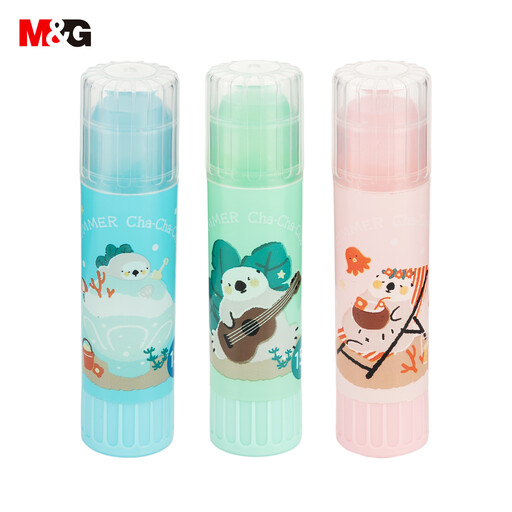
Why we recommend this product This glue set from M&G consists of three glue sticks, each containing 15g. The formula is described by the manufacturer as high-viscosity, suggesting good adhesion on paper, cardboard, and photos. The gel-like consistency of the adhesive is designed for a smooth and even application without wrinkling or clumping the paper. The set offers good value for money for regular use.
Pros
Best for Ideal for students, office workers, and families who need a reliable and easy-to-use glue stick for everyday crafting and paper-based tasks.
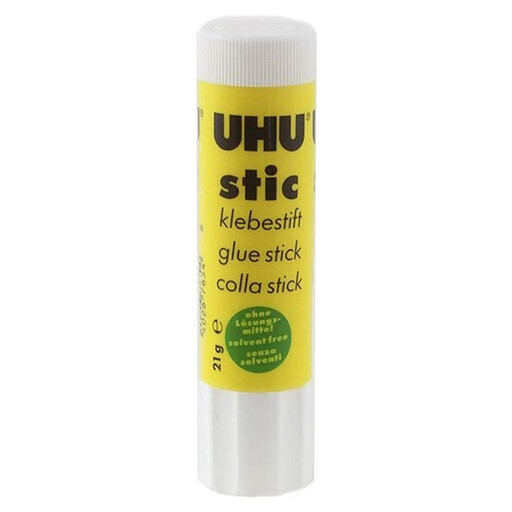
Why we recommend this product The UHU Stic is an established product in the glue stick segment. According to the manufacturer, the adhesive formula consists of 98% natural ingredients (including water) and is solvent-free. The screw-on cap effectively protects the glue from drying out. Furthermore, UHU states that the container is made from 50% recycled plastic, which represents an aspect of material efficiency.
Pros
Best for This product is aimed at users in schools, offices, and private households who are looking for a reliable, solvent-free glue stick for standard applications and who value product details like protection from drying out.
The products presented cover common use cases. For projects that require special adhesives, or if you wish to compare a wider range of products, you can find more options in our main category. Discover our entire range of Glue Sticks here.
1. Which craft glue is suitable for children? For children, water-based and solvent-free adhesives are generally recommended, such as glue sticks or liquid craft glues. These are often non-toxic, low-odour, and washable from most textiles. When using tools like a hot glue gun, even with models that have safety features, adult supervision is mandatory.
2. What is the difference between a hot glue gun and a glue stick? A glue stick contains a solid adhesive mass for direct application to paper and cardboard. It offers moderate adhesion and is simple and safe to handle. A hot glue gun melts solid glue sticks to create a liquid adhesive that provides a very strong and fast-curing bond on a variety of materials (wood, plastic, fabric, etc.). It is a tool for more demanding DIY projects and repairs.
3. What is the best way to remove glue residue? The method depends on the type of adhesive. Residue from water-based glue sticks can usually be removed with a damp cloth. Cured hot glue can often be mechanically peeled or scraped off after it has completely cooled. For solvent-based glues, special removers or solvents like acetone or isopropyl alcohol are required, whereby material compatibility should always be tested on an inconspicuous area.