
Lieferung heute & morgen

Qualitätsgarantie

Willkommens-Angebote freischalten: KOSTENLOSE Lieferung | Bis zu 80 % RABATT | Kostenlose 30-Tage-JoyPlus-Testphase
App herunterladen
Craft kits for children are a popular choice as gift ideas for kids, family activities and creative hobbies. The range stretches from simple DIY craft kits and colouring pencils to finger paints and architecture sets with several hundred pieces. However, product descriptions are not always as specific as you need them to be to make a confident buying decision.
Three typical buying mistakes lead to disappointing purchases far too often:
For children aged 2 and over, look for products that are explicitly designed for that age group and contain no small parts that could be swallowed. Finger paints can be a suitable activity for hands-on creative play. Even so, parents should supervise the activity and follow the instructions on the packaging.
With a creative set for children aged 3 and over, such as a bead set, the situation is different: beads, letters and connectors are small. They should be kept away from toddlers during use. More complex construction sets often recommend a minimum age of 6 years. For younger children, assembly should be carried out under adult supervision.
When it comes to craft materials, it’s worth looking closely at the exact composition and what’s included in the box:
A sorting box can be more important than an especially large selection when it comes to small parts. It reduces the risk of losing pieces and makes tidying up after crafting much easier.
A simple jewellery-making kit is ideal for short creative sessions and shared afternoons. An architecture construction set or a detailed building kit, on the other hand, requires time, space and concentration. For adults and older children, a model with several hundred pieces can be an engaging hobby project; for younger children, it may be too challenging.
The purpose of the finished item also matters: is it meant to be worn, given as a gift, hung up or displayed as decoration? This question helps you distinguish between consumable materials and long-lasting models.
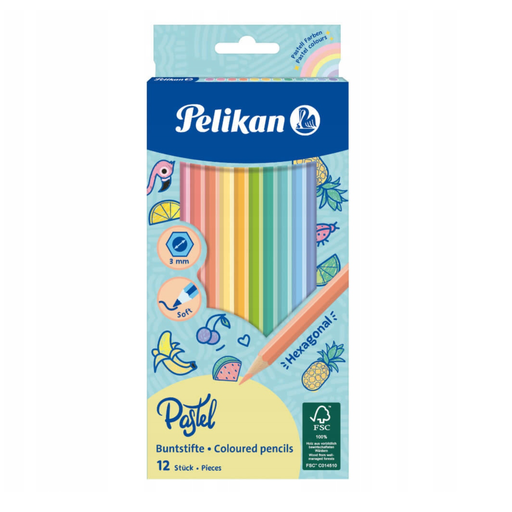
Why this product fits the profile: The 12-piece set is compact and designed for drawing, writing and creative DIY projects. It works equally well for nursery and school supplies as it does for adults.
The contents are clearly stated: 12 pre-sharpened wooden pencils in a pastel colour selection. This makes it easier to assess your needs before buying.
Pre-sharpened wide leads, 12 colour shades and suitable for use on smooth paper surfaces.
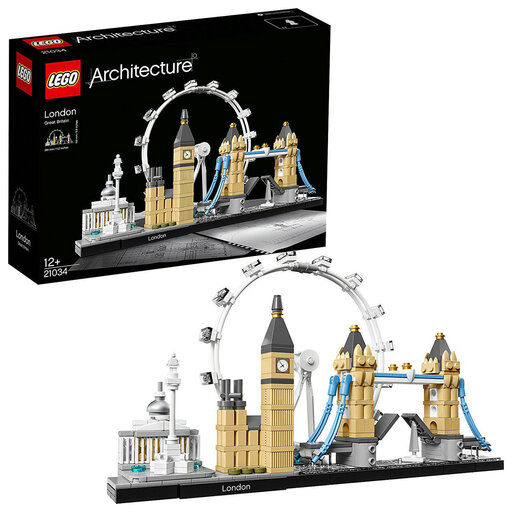
Why this product fits the profile: This model is aimed at adults and children aged 12 and over who want to combine architecture, travel and decorative building projects.
The age, number of pieces and model dimensions are all clearly stated. This makes it easier to plan the build time, workspace and eventual display.
468 building bricks, London landmarks and a model measuring 15 × 28 × 8 cm.
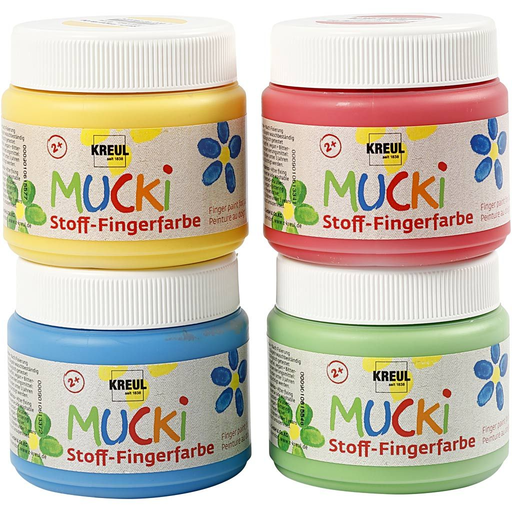
Why this product fits the profile: The set contains four bottles of 150 ml each and is designed for children aged 2 and over. It is ideal for textile projects at home, in nursery or at school.
The instructions specify the surface, drying time and fixing method. This makes it clear that “washable” comes with certain conditions.
Water-based paints in yellow, red, green and blue; washable at up to 40 °C after fixing.
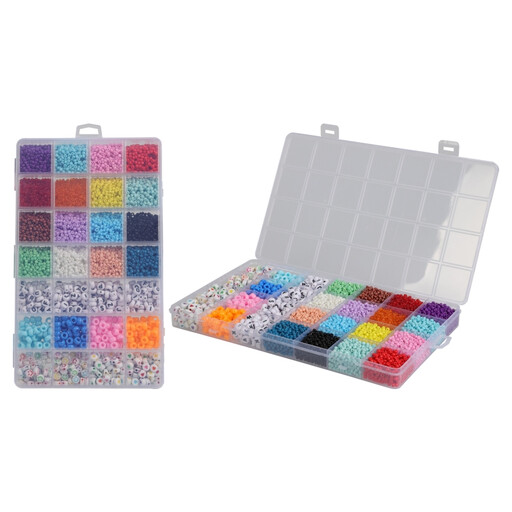
Why this product fits the profile: This set is aimed at children aged 3 and over and families who want to make bracelets, keyrings or other small jewellery projects.
The specification of 28 pieces, 440 grams and a storage box makes the contents easy to understand. Because of the small parts, the age limit is especially important.
Various types of beads, letter and smiley beads, plus a box measuring 22 × 13 × 2 cm.
We have put together a full, regularly updated list of products that fully meet these strict selection criteria and the safety regulations in force in the EU.
For children aged 2 and over, look for products that are clearly labelled for that age group and contain no small parts that could be swallowed. Finger paints with an appropriate age recommendation are one option. Adult supervision is always recommended. Bead sets, glitter glue and many construction sets are not suitable for this age group because of small parts.
How long a kit lasts depends on the materials and how it is stored. Pencils should be kept in a dry place, and paints and adhesives should be sealed after use. With construction sets, individual pieces can get lost; a sorting box helps with long-term use. The specific best-before or use-by date for paint products is printed on the packaging.
You should compare the price with what is actually included: number of pieces, amount of paint, tools, storage and instructions. An inexpensive set can be a sensible choice if it matches the child’s age and the planned activity. When making your selection, clear product information matters more than vague marketing claims.