
Lieferung heute & morgen

Qualitätsgarantie

Willkommens-Angebote freischalten: KOSTENLOSE Lieferung | Bis zu 80 % RABATT | Kostenlose 30-Tage-JoyPlus-Testphase
App herunterladen
Whether you are working on school projects, enjoying creative afternoons with children or tackling more demanding drawings, craft supplies cover a wide range of product types. However, the sheer choice can also lead to unsuitable purchases. A budget set is not automatically the right one, and extensive packaging reveals little about the material, intended use or durability.
This buying guide explains what parents, pupils, artists, educators and hobby crafters should look for when choosing creative supplies. The product selection is based on clear information such as set contents, nib size, colour medium, age suitability and storage.
A set with numerous shades may appear versatile at first glance. However, what matters is how much product is included per colour and whether the material is suitable for your project. For example, small 5-ml tubes of acrylic paint may be enough for individual decorations, while larger areas require more product.
For glitter, modelling clay or craft beads, it is also worth checking the closures and storage options. Individual pots or resealable containers help keep colours separate and reduce material waste.
Craft sets containing beads, stickers, tools or small gems are not automatically suitable for every child. A choking hazard, meaning the risk of swallowing small parts, should be taken seriously. The manufacturer’s information and supervision by an adult are the key considerations.
For younger children, finger paints with a clearly stated age recommendation or larger, easy-to-grip materials are generally easier to manage. Even with craft sets for children, you should check whether the tools, paints and accessories are genuinely suitable for the child’s stage of development.
Descriptions such as “quick-drying”, “waterproof” or “extra soft” are only useful when the specific area of application is stated. For pens, for example, the line width matters; for paints, it is their suitability for paper, wood or textiles; and for adhesives, their compatibility with the material.
Before buying, you should establish what surface you will be working on:
For notes, journalling and detailed drawings, gel pens with a 0.5-mm tip are a practical choice. A fine tip supports small lettering and clean outlines. Mechanical pencils with a 0.5-mm lead also provide precise lines for sketches and technical drawings.
It is important not to equate line width with overall writing quality. The type of paper, pressure and ink flow all affect the result. Left-handed users should also look for quick-drying ink, as it is less likely to smudge when writing from the side.
A large set may reduce the need to buy individual items, but it does not automatically cost less overall. Check the following:
With DIY craft sets, it is also important to check whether all the necessary steps are included. A set with a workstation, tools and instructions may be more practical for beginners than a larger collection of materials without accessories.
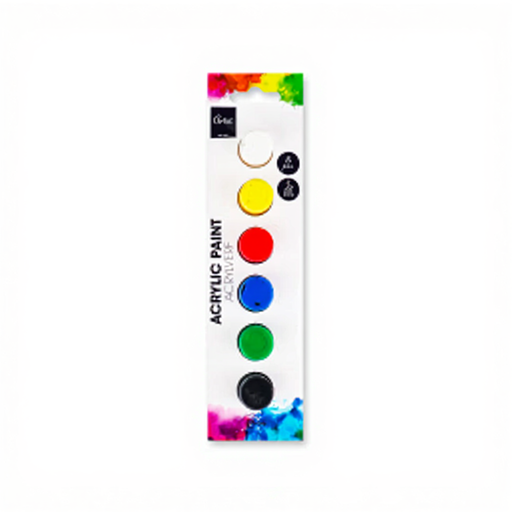
Why this product suits the profile: The compact set provides six colours for first projects on paper, wood or canvas and takes up little storage space.
The 5-ml quantity per colour is clearly stated, preventing unrealistic expectations of a larger format.
Six shades, compact packaging and use on several surfaces according to the product description.
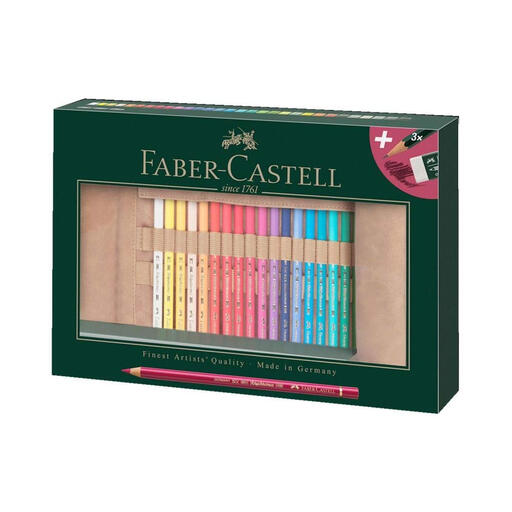
Why this product suits the profile: The 30 coloured pencils with oil-based cores and a 3.8-mm core diameter are designed for detailed drawings and layered work.
The core diameter, set contents and included accessories are clearly specified; the case supports organised storage.
30 shades, three Castell-9000 pencils in HB, 2B and 8B, plus an eraser.
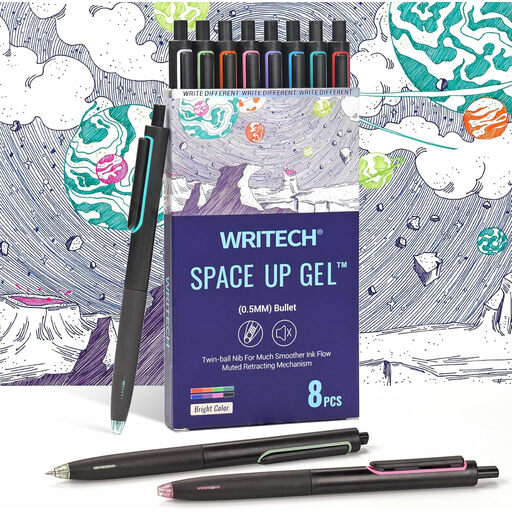
Why this product suits the profile: Eight retractable gel pens with fine tips are suitable for journalling, colour-coded notes and precise sketches.
The 0.5-mm tip and quick-drying ink are clearly specified, rather than relying on vague design terms.
Eight colours, retractable design and quiet-click operation according to the product information.
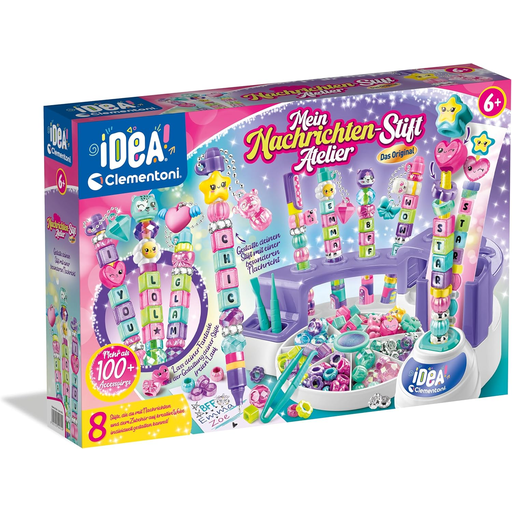
Why this product suits the profile: Suitable for ages six and over, this creative set combines custom pen-making with letters, beads, stickers and storage.
The contents list the workspace, tools, decorative elements and pens, so fewer individual components need to be added.
Personalised results, a holder and accessories for a craft activity you can start straight away.
We have put together a complete, regularly updated list of products that fully meet these strict selection criteria and the safety regulations applicable in the EU.
For a decorative result, consider glitter, a glue stick and coloured paper. The “Glitter Set, 11 Pieces” contains several colours for scrapbooking, cards, slime, resin decorations and DIY projects. Fine glitter particles should be used on a covered work surface and stored carefully after crafting.
For structured leisure projects, diamond painting sets are a good choice. A six-piece coaster set with a stand or a 30 × 40 cm design offers different project sizes. Small gems require a controlled working environment and are only suitable for children when the age and safety instructions are followed.
A glue stick such as the solvent-free UHU Stic is intended for paper-based work at school and at home. Before gluing, check whether the material is paper, card or a coated surface. Textiles, plastic and wood often have different requirements.
That depends on the child’s age and the project. For younger children, products with a clear age recommendation, larger components and manageable accessories are a sensible choice. Adult supervision is required when using beads, diamond-painting gems, small decorations and sharp tips. Read the manufacturer’s instructions before buying and before use.
Paints, gel pens and modelling clay should be protected from direct sunlight and excessive heat. Modelling clay remains usable for longer when individual containers are resealed immediately after use. Pens should be kept in a case or tin; with retractable gel pens, the tip should be retracted after writing.
The cost depends on the type and quantity of material and the accessories included. A small acrylic paint set may be enough for first projects, while an extensive coloured pencil set offers more choice for regular drawing. Do not compare only the total price. Also consider the quantity per colour, the tools included and whether consumables can be bought again.