
Lieferung heute & morgen

Qualitätsgarantie

Willkommens-Angebote freischalten: KOSTENLOSE Lieferung | Bis zu 80 % RABATT | Kostenlose 30-Tage-JoyPlus-Testphase
App herunterladen
Craft supplies should do more than look good: they need to suit your technique, surface and project. When buying craft materials, scrapbooking accessories or hand-lettering supplies, unnecessary costs often come from three common pitfalls:
So, whether you’re buying craft supplies for card-making, journalling, scrapbooking or DIY decorations, check the technical details and intended use first.
With double-sided tape, length and width matter just as much as its adhesive properties. If you craft regularly, a 10 m roll may be more economical than a shorter one. For occasional projects that need particularly strong adhesion, a compact roll may be enough.
Before buying, check:
Clear adhesive tape can blend discreetly into decorations. White synthetic material, on the other hand, can sit subtly against light-coloured paper and card. When working on photo albums and scrapbook pages, it’s also important to apply the tape carefully to avoid creases.
With craft pens, brush pens and gel pens, the tip determines what you can use them for. A dual-tip pen with a fineliner and brush tip covers everything from fine outlines to broader strokes. For hand lettering, it’s also worth considering how flexibly the brush tip responds to different levels of pressure.
Look out for:
With gel pens, opacity on dark paper is key. A fine tip can work well for outlines and small highlights, while more highly pigmented ink will show up better on black or coloured paper.
Dies and metal templates open up more possibilities for card-making, photo albums and DIY decorations. Before buying, check the design size, material and compatibility.
Important questions to ask:
If the product description doesn’t give detailed compatibility information, check the technical specifications for your machine. This helps you avoid buying a lovely cutting template that ends up unused because it’s the wrong size.
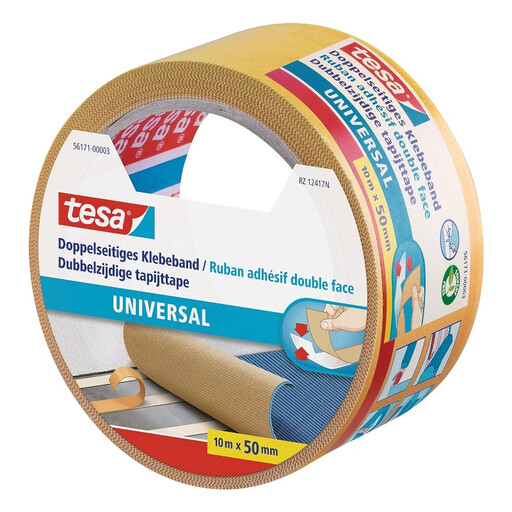
Why this product suits this profile: At 10 m long and 50 mm wide, the roll offers a predictable amount of tape for cards, paper crafts, photos and lightweight materials.
The clearly stated dimensions make it easier to plan how much you need and cut the tape to the required length.
Double-sided adhesive surface; 10 m long and 50 mm wide, according to the product details.
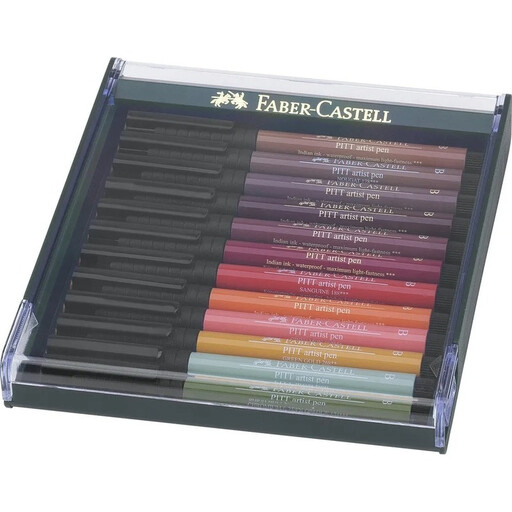
Why this product suits this profile: This set is for anyone who values pigmented ink and a flexible brush tip for illustration, bullet journalling and hand lettering.
The flexible, shape-retaining brush tip is clearly specified, making it easier to use the pen for both fine and broader lines.
12 earth-tone colours; drawing ink described in the product details as waterproof, permanent and acid-free.
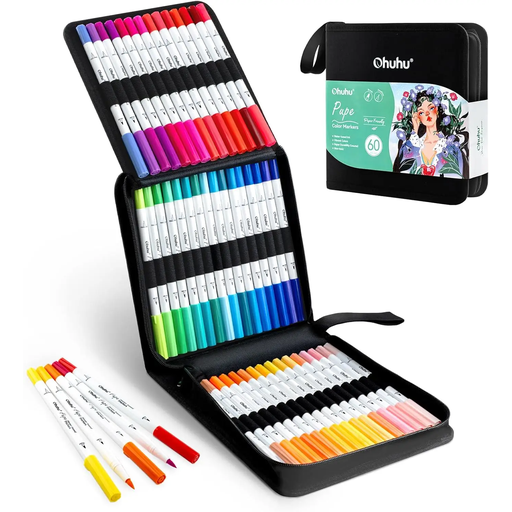
Why this product suits this profile: The combination of a 0.4 mm fineliner and a 1–5 mm brush tip is ideal for journalling, colouring, calligraphy and illustration.
Both tip types are clearly specified, so you may not need to buy separate pens for fine outlines and broad strokes.
60 pens, including a colourless blender; water-based ink described in the product details as acid-free.
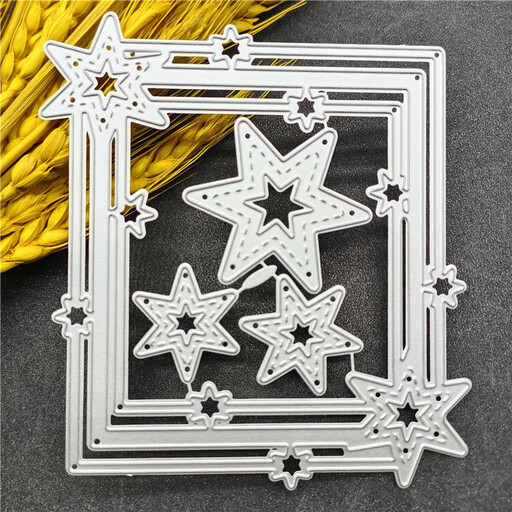
Why this product suits this profile: The star-frame design is ideal for decorative paper cards, album pages and repeat DIY projects with a distinctive motif.
The specific design makes it easy to see what you’re choosing. Before buying, also check that it’s compatible with your die-cutting machine.
Metal die for paper cards and scrapbooking decorations, featuring a fixed star-frame design.
We’ve put together a complete, regularly updated list of products that meet these strict selection criteria and fully comply with the safety regulations in force in the EU.
Card, double-sided tape, gel pens, craft pens and suitable dies make a practical starter kit for card-making. The key is to get a neat edge with the adhesive, choose a template that fits your card, and use pens that won’t bleed through your chosen paper.
How long the bond lasts depends on the adhesive, surface, pressure applied, dust levels and storage conditions. There’s no reliable one-size-fits-all estimate. Before finishing your project, test the material on a similar piece of paper or card.
The cost depends on the type of project and how often you craft. Beginners can start with tape, a few craft pens and some paper. If you scrapbook or do hand lettering regularly, you’ll probably need extra colours, cutting templates, storage and refills. Choosing supplies to suit your needs helps prevent specialist products going unused and eating into your budget.