
Lieferung heute & morgen

Qualitätsgarantie

Willkommens-Angebote freischalten: KOSTENLOSE Lieferung | Bis zu 80 % RABATT | Kostenlose 30-Tage-JoyPlus-Testphase
App herunterladen
The decision to start a new creative hobby or expand your existing skills with a new machine is an exciting one. Whether you want to make personalized DIY gifts, customize apparel, or create unique decorations, the right crafting machine is the key to success. However, the market is saturated with options, and not every device delivers on its promises. This guide will help you avoid common purchasing pitfalls and make an informed decision.
Before you invest, you should be aware of the typical problems that often lead to disappointment and wasted money.
To avoid these pitfalls, focus on objective, verifiable criteria. Three parameters are particularly crucial.
A machine's power directly determines which materials you can work with.
The physical size of the machine is not the same as its usable workspace. A compact DIY laser cutter may have a small footprint, but if its engraving area is only 10x10 cm, larger projects are impossible. Check the workspace specification (e.g., 300 x 300 mm) and ensure it matches your planned projects.
A powerful machine is useless if the software is complicated. Look for compatibility with industry-standard software like LightBurn or LaserGRBL for laser engravers. For beginners, devices with their own intuitive app or clear on-device instructions, as seen on some sewing machines, are a great help.
Here are some recommendations tailored to different needs and projects.
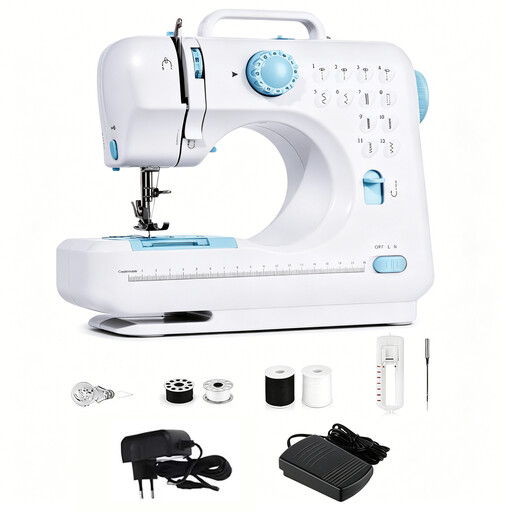
Why This Fits Their Persona: Ideal for anyone learning to sew or looking to handle simple repairs and small DIY projects. Its compact size and battery-powered option make it flexible and easy to store—perfect for homes with limited space or for craft afternoons with kids.
This model avoids the 'overwhelming features' trap. With 12 basic stitch patterns, it offers enough variety to get started without being overwhelming. Operation is streamlined to the essentials.
Two speed settings and dual power options (AC adapter or batteries) make it highly adaptable. The printed threading guide further simplifies the learning process.
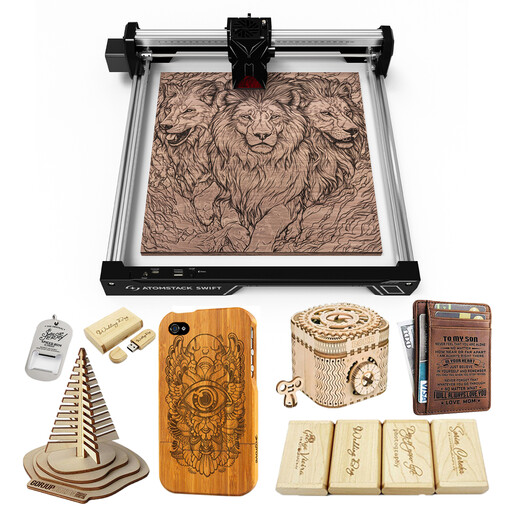
Why This Fits Their Persona: For hobbyists and small business owners who want to create precise, detailed engravings on materials like wood, leather, or dark acrylic. The large workspace is also suitable for more extensive projects, such as those often needed for Etsy shops or personalized gifts.
This device counters 'unrealistic performance claims' with clear, verifiable specifications. The true 7W laser power and an engraving precision of 0.01 mm are solid figures for demanding tasks.
The generous 300 x 300 mm workspace provides ample room for creativity. Compatibility with professional software like LightBurn and LaserGRBL allows for flexible project design.
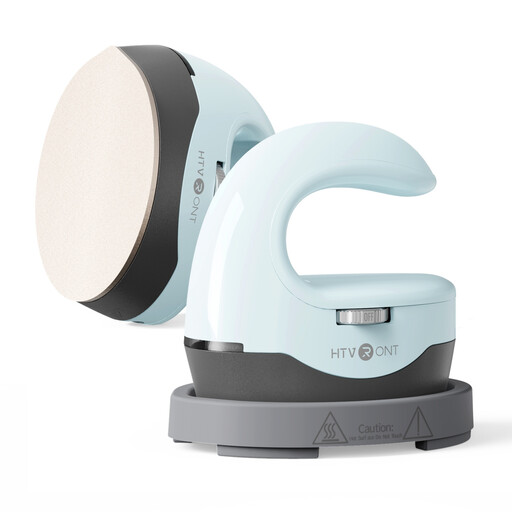
Why This Fits Their Persona: Perfect for creators specializing in finishing textiles like T-shirts, hats, or bags. Its compact size makes it ideal for use at home, at markets, or in small workshops without taking up much space.
This device is a specialist, thus avoiding the trap of being a jack-of-all-trades that masters none. It is explicitly designed as a heat press for T-shirts and similar projects, and it performs this one task reliably.
The machine offers adjustable temperature control and a precise timer. This ensures even heat distribution for durable, professional-looking results in textile finishing.
We've compiled a complete, up-to-date list of products that fully meet these strict selection criteria and applicable safety regulations.
Maintenance depends on the type of device. As a general rule, keep the machine clean and free of dust and material residue. For laser engravers, the lens should be cleaned regularly according to the manufacturer's instructions. For sewing machines, occasional oiling of mechanical parts may be necessary, depending on the model, to ensure smooth operation.
This largely depends on the specific model. Many mini sewing machines are primarily designed for light to medium-weight fabrics. For sewing denim or multiple layers of thick fabric, you should look for product descriptions that explicitly mention a strong motor, a metal hook system, or suitability for heavy-duty fabrics.
Many models are compatible with common third-party software. LightBurn is a popular, paid option with an extensive feature set. LaserGRBL is a free alternative that is well-suited for beginners. Some manufacturers, like ATOMSTACK, also offer their own apps, which often allow for simpler operation via a smartphone. Always check the software compatibility in the product details before purchasing.