
当日/次日达

品质保障

开启新人专享福利: 全场免邮 | 低至 2 折 | 免费试用 30 天 JoyPlus 会员
下载 Joybuy
By the Joybuy Product Recommendation Officer, July 28, 2026
Choosing a 3D printer for demanding applications can quickly become overwhelming. Advanced users, in particular, who are upgrading from entry-level models, are often faced with marketing promises that don't hold up in practice. Before you make a decision, it's crucial to understand the technical realities behind the advertising claims to avoid a poor investment.
Two common pitfalls are especially relevant:
To avoid these problems, you should base your purchasing decision on objective technical parameters rather than being guided by pure marketing figures.
For successful printing with engineering-grade filaments, three core components are of central importance. Pay close attention to these specifications in your selection to ensure the device meets your requirements.
A robust extrusion system is essential for processing abrasive and high-temperature filaments. A Direct Drive Extruder offers more precise filament control than a Bowden system, which is particularly advantageous for flexible materials and fast retractions. Also crucial is an all-metal hotend that reaches and consistently maintains a nozzle temperature of at least 300°C. In combination with a hardened steel nozzle, the system is equipped for long-term use with materials like 3D printer carbon fibre (e.g., PLA-CF, PA-CF) and prevents premature wear and clogging.
A high-speed 3D printer is distinguished not only by its maximum speed but also by its ability to implement that speed with high precision. A CoreXY 3D printer has a structural advantage here. Since the heavy stepper motors for the X and Y axes are fixed to the frame, the moving mass of the print head is minimised. This allows for high acceleration values (e.g., 20,000 mm/s?) and reduces vibrations. Features like Input Shaping (vibration compensation) and Pressure Advance are software-side additions that ensure clean print results at high speeds.
An enclosed 3D printer is indispensable for processing filaments like ABS, ASA, and many composites. The closed build chamber ensures a stable and elevated ambient temperature, which minimises model warping and improves layer adhesion. An integrated activated carbon filter is an added benefit, as it filters fumes and particles. A 3D printer with an AI camera significantly expands functionality. It not only allows for remote monitoring of print progress but can also detect common print failures like "spaghetti monsters" or foreign objects on the print bed and automatically pause the printing process to save material and time.
Based on the criteria mentioned above, we have compiled a selection of printers suitable for different user profiles and their specific requirements.
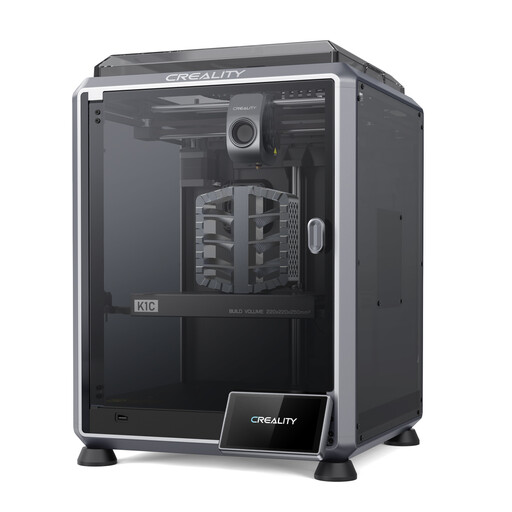
Why It's a Match: Ideal for users who produce functional prototypes or small batches with engineering-grade materials. The combination of high speed and the ability to reliably process carbon fibre filaments maximises productivity and minimises manual intervention.
Evades the "carbon fibre-ready" trap with a factory-installed tri-metal nozzle with a hardened tip and a clog-free extruder design built for abrasive filaments.
The combination of CoreXY kinematics, automatic calibration, and an AI camera offers a high degree of automation and reliability right out of the box.
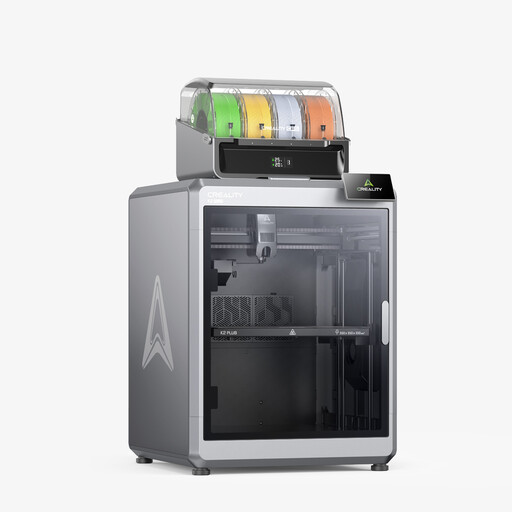
Why It's a Match: Perfect for small businesses or ambitious hobbyists who need to print large objects (up to 350x350x350 mm) or multi-colour models without manual filament changes. The CFS system fully automates the colour-changing process.
Solves the problem of many "smart" printers whose extra features offer little practical benefit. The CFS system is a well-designed solution to a real problem—automated multi-colour printing.
The combination of a large build volume, high speed, and an integrated system for up to 16 colours opens up creative and commercial possibilities that are not feasible with standard printers.
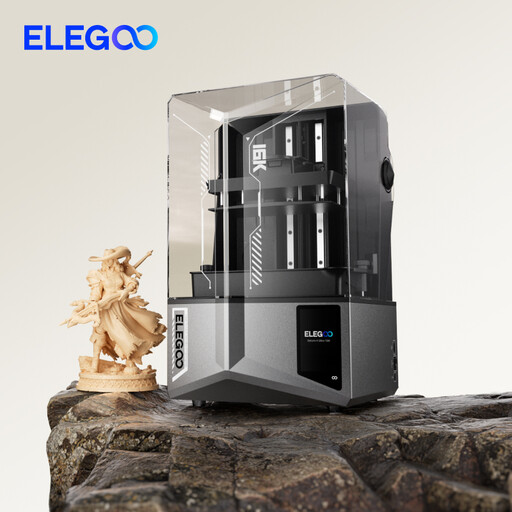
Why It's a Match: For users where maximum detail is paramount, such as in model making, jewellery design, or for dental models. The 16K resolution of this resin printer enables surfaces and details that are unattainable with FDM printers.
Instead of relying on empty "smart" promises, this model offers targeted, useful intelligence for resin printing: a vat heater for consistent resin viscosity and an AI camera for detecting print failures.
The extremely high 16K resolution delivers outstanding print quality. Smart features like automatic levelling and failure detection increase the success rate and make the process more reliable.
We've compiled a complete, up-to-date list of products that fully meet these strict selection criteria and German safety regulations.
The Creality K1C features a special "Silent Mode." According to the manufacturer, the noise level in this mode is below 45 dB. This value is comparable to the ambient noise in a library or a quiet whisper, allowing the printer to be operated in work or living environments without being disruptive.
Although the printer is very user-friendly thanks to features like fully automatic levelling and pre-assembled delivery, it is primarily aimed at advanced users and those upgrading from an entry-level model. Its high speed and ability to process demanding engineering filaments are features whose full potential is best realised by users with a basic understanding of 3D printing parameters.
The in-house slicer software, Creality Print, is recommended for the Creality K1C. It is tailored to the printer's hardware and supports features like remote control and management of multiple printers. The printer's operating system, Creality OS, is based on the open-source firmware Klipper. This offers experienced users the ability to make advanced customisations and optimisations.