
Lieferung heute & morgen

Qualitätsgarantie

Willkommens-Angebote freischalten: KOSTENLOSE Lieferung | Bis zu 80 % RABATT | Kostenlose 30-Tage-JoyPlus-Testphase
App herunterladen
By: Joybuy Product Recommendation OfficerDate: August 28, 2026
Sensitive skin places special demands on daily care. Whether you're dealing with dryness, redness, or a tendency for irritation, choosing the right cream can be a challenge. The market is filled with products promising quick relief, but not every formula lives up to its claims. This guide will help you separate the wheat from the chaff and make an informed decision based on objective criteria rather than marketing promises.
Before we dive into key product features, it's helpful to understand the common misconceptions that often lead to poor purchasing decisions.
To find a suitable cream for sensitive skin, you should focus your attention on a few fundamental parameters. These will help you objectively evaluate product performance.
An intact skin barrier is crucial for retaining moisture in the skin and fending off external irritants. Lipids (fats) are a central building block of this barrier. In dry and sensitive skin, the production of these lipids is often impaired.
The INCI list (International Nomenclature for Cosmetic Ingredients) on the packaging is your most important tool.
The skin's needs vary depending on age and condition. A baby face cream must be formulated to be especially mild, as infant skin is still very thin and permeable. In contrast, a protective skin cream for adults with occupationally stressed hands requires a more robust, water-repellent formulation. Always check if the product is dermatologically tested and recommended for its intended use (e.g., diaper area, face, body).
Based on the objective criteria mentioned above, we have identified several products that are well-suited for specific user profiles.
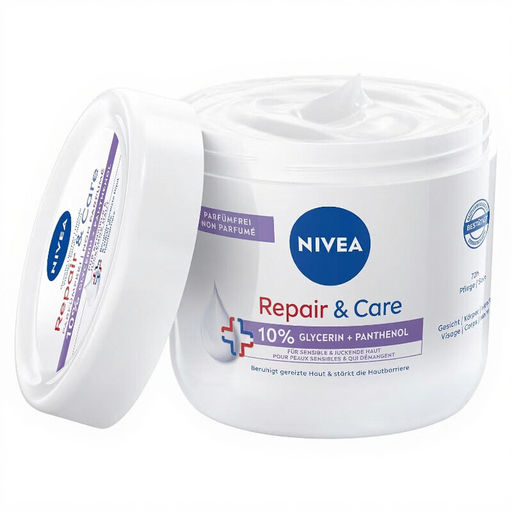
Why This Fits Their Persona: Ideal for families who need a reliable, straightforward, and long-lasting moisturising cream for daily use on dry and sensitive skin. The large 400ml tin offers excellent value for money.
This product bypasses the "price-as-quality" fallacy. It focuses on proven ingredients like 10% Glycerin and Panthenol instead of expensive, exotic actives and is completely fragrance-free.
Provides 72-hour moisture according to the manufacturer. The fragrance-free formula is dermatologically tested for skin compatibility on sensitive skin.
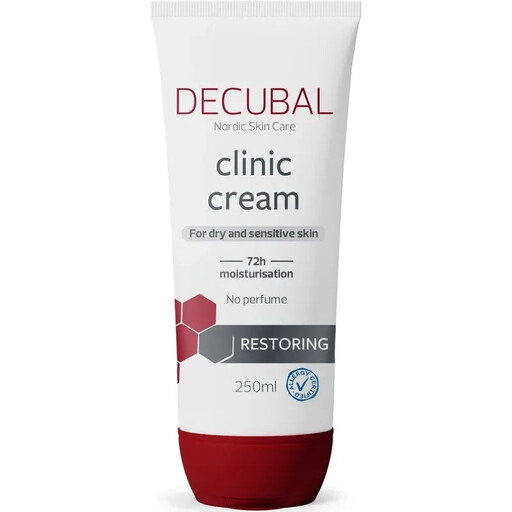
Why This Fits Their Persona: Suitable for individuals with extremely dry, flaky, or cracked skin whose skin barrier is compromised. Ideal as an intensive treatment in harsh weather conditions or for those prone to atopic dermatitis.
This cream doesn't rely on "natural" extracts but on a highly concentrated, functional formulation. The focus is on the objectively measurable 38% lipid content, which specifically restores the barrier function.
Very high lipid content for immediate relief from feelings of tightness. The formula is free from fragrance and dyes to maximise tolerability.
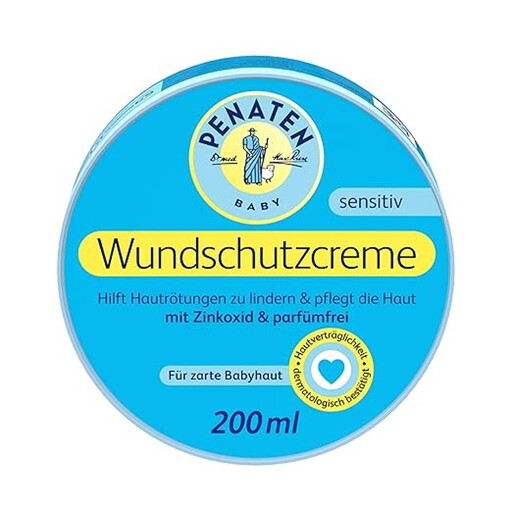
Why This Fits Their Persona: Specifically for parents seeking reliable protection for their baby's sensitive diaper area. The cream is designed to soothe redness and keep wetness away from the skin.
This product avoids the "miracle ingredient" hype and instead relies on the proven and functional ingredient zinc oxide. The formulation is clearly focused on a single task: protecting the skin in the diaper area.
Offers triple protection with zinc oxide, natural wool fat (Lanolin), and Panthenol. It forms a breathable protective film, and its skin compatibility is dermatologically confirmed.
We have compiled a complete, up-to-date list of products that fully meet these strict selection criteria and German safety regulations.
The frequency of application depends on your individual skin condition and the product. As a general rule, moisturise the skin at least twice a day (morning and evening) after cleansing. In cases of severe dryness or after washing your hands, reapplication may be necessary to continuously support the skin barrier.
Yes, in many cases this is possible and can even be beneficial. Baby creams are often formulated to be minimalist and low-irritant, making them a good choice for adults with very sensitive skin. However, keep in mind that they may not be rich enough for very mature or extremely dry adult skin.
"Fragrance-free" means that no scents have been added to the product to give it a specific smell. For most people with sensitive skin, this is a crucial criterion. However, raw materials can also have their own natural scent. Individuals with extremely reactive skin should also ensure that the formula is free of potentially irritating essential oils, which are sometimes included in "natural" products.