
Lieferung heute & morgen

Qualitätsgarantie

Willkommens-Angebote freischalten: KOSTENLOSE Lieferung | Bis zu 80 % RABATT | Kostenlose 30-Tage-JoyPlus-Testphase
App herunterladen
Sensitive facial skin often reacts to fluctuating temperatures, dry central heating, shaving, harsh cleansing, or too many active products. The right cream for sensitive skin should deliver moisture, sit comfortably on the skin, and not complicate your daily routine unnecessarily. However, choosing one isn't simply a matter of looking for words like "soothing", "repair" or "anti-redness".
"for sensitive skin" or "against redness" initially describes a product's positioning. What really matters is the specific formulation. Fragrances, essential oils, alcohol, or numerous plant extracts can be individually problematic for reactive skin. A fragrance-free face cream reduces one potential source of irritation, but it's no guarantee of good tolerability.
A dense repairing face cream can feel pleasant on dry skin. For oily or blemish-prone skin, a light gel-cream may be more practical. The term "non-comedogenic face cream" is helpful, but shouldn't be taken as a universal guarantee: skin reacts individually, and the rest of your routine also affects your complexion.
Centella Asiatica, ceramides, hyaluronic acid, panthenol and niacinamide are commonly used in products for sensitive skin. However, if you start several new serums and creams at the same time, it's almost impossible to identify what's causing a reaction. A gradual start with a single soothing face cream is much more manageable in everyday life.
For a moisturiser for sensitive skin, a fragrance-free formulation can be a sensible choice. Nevertheless, always check the full ingredients list on the packaging, as formulations or production batches can vary. If you have known allergies, cross-check individual components carefully.
A light gel-cream often suits oily, combination or warm skin. A richer cream can be more comfortable for dry skin and in winter. In the morning, your routine should finish with a suitable sunscreen. For irritated, damaged or severely inflamed skin, cosmetic care should not replace a dermatological consultation.
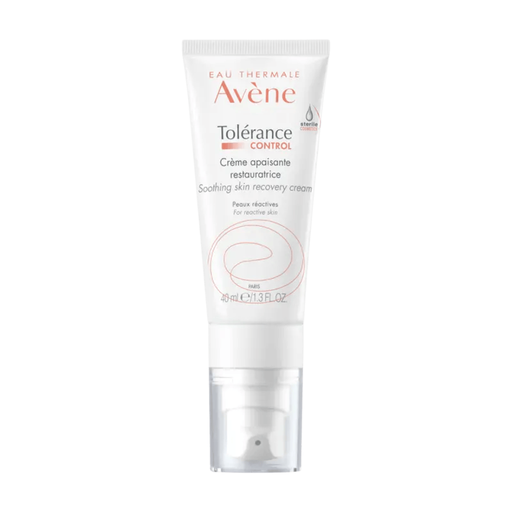
Why this product suits the profile: The fragrance-free and preservative-free formulation is intended for hypersensitive, reactive and intolerant skin, according to the product description.
The airtight packaging and pared-back formulation address the desire for as few additional sources of irritation as possible.
40 ml, non-comedogenic according to product claims, and can be used both morning and evening.
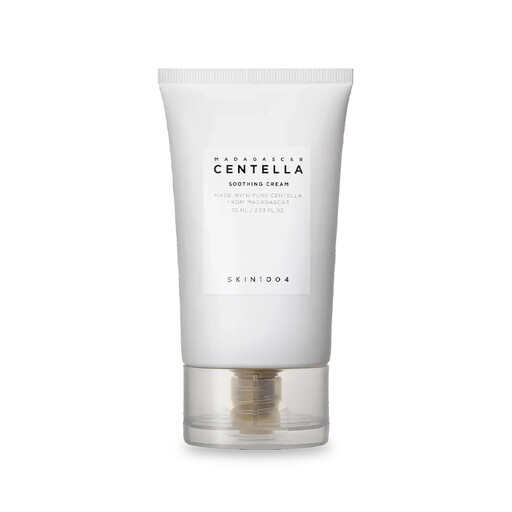
Why this product suits the profile: The combination of Centella Asiatica, multiple ceramides, cholesterol and hyaluronic acid suits routines where moisture and the skin barrier are the focus.
The choice isn't based on a single trendy ingredient; it also lists lipid components and a light, non-greasy texture.
75 ml content, Centella and ceramide complex, and can be used in the morning and/or evening.
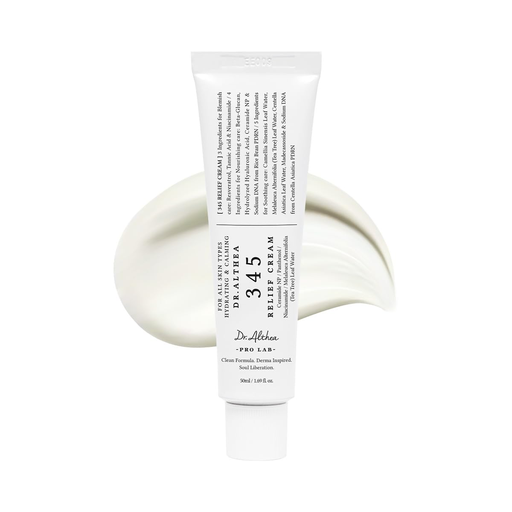
Why this product suits the profile: According to the product description, this Korean gel-cream combines niacinamide, panthenol, Centella-related components, hyaluronic acid and Ceramide NP.
The light texture is designed for easy application under make-up or as the final step in a multi-step routine.
50 ml, gel-cream texture and, according to product claims, free from artificial fragrances and colourants.
We've put together a full, regularly updated list of products that fully meet these strict selection criteria and the safety regulations in force in the EU.
Apply the cream after cleansing to dry or slightly damp skin. For new products, a patch test on a small area of skin is a good idea. Don't introduce any other new active ingredients at first, and observe your skin over several applications. If you experience stinging, itching, swelling or persistent redness, stop using the product.
A cream can complement daily care for dry or sensitive skin, but it does not replace a medical diagnosis. Recurring or severe redness, pain and inflammatory changes should be assessed by a dermatologist.
A good choice could be a fragrance-free face cream with glycerin, panthenol, ceramides or Centella Asiatica. What matters most is the full INCI list, the texture and your personal tolerance. For pronounced or persistent redness, a dermatologist's advice is recommended.
That depends on your individual skin and the rest of the formulation. For oily or blemish-prone skin, a light gel-cream may be more comfortable. Check the product's comedogenic claims, start with a small amount and observe how your skin feels.
The best-before date and the symbol for the period after opening on the packaging are what matter. Close the jar or tube after each use and store the product in a dry, cool place away from direct sunlight. Changes in smell, colour or consistency are signs that you should stop using the cream.