
Lieferung heute & morgen

Qualitätsgarantie

Willkommens-Angebote freischalten: KOSTENLOSE Lieferung | Bis zu 80 % RABATT | Kostenlose 30-Tage-JoyPlus-Testphase
App herunterladen
A cream for sensitive skin should deliver moisture, support the skin barrier and fit seamlessly into your daily routine. Yet choosing the right one isn’t just a matter of brand name or marketing claims. What really matters is the area of skin, the ingredients, the texture and how you intend to use it.
A natural skincare cream can contain plant oils, waxes and flower extracts. These ingredients aren’t inherently problematic, but with sensitive skin their tolerance can vary from person to person. Fragrances and fragrance allergens that must be declared remain relevant even in natural cosmetics. For example, the Weleda Baby Calendula Protective Cream lists perfume as well as limonene, linalool and other fragrance components.
A very lipid-rich barrier protection cream may work well on rough body areas, but can feel heavy on the face. If you have combination or blemish-prone skin, a lighter gel-cream may be more comfortable. The right consistency therefore depends on your skin type, the season and where you’re applying it.
Terms like “brightening”, “regenerating” or “soothing” often describe a product’s positioning, but they are no substitute for checking individual tolerance. A soothing face cream or cream for reddened skin should not be applied to open, severely inflamed or infected areas. If symptoms persist, it’s wise to seek medical advice.
If you’re looking for a moisturiser for sensitive skin, you should examine the full INCI list on the packaging. Useful points of reference include:
The EU Cosmetics Regulation requires ingredients to be listed. However, formulations can change, so always refer to the list on the actual product you receive.
A baby nappy-rash cream is not automatically a suitable face cream for adults. Products for the nappy area often contain zinc oxide, waxes or particularly protective lipids. A regenerating skin cream for face and body, on the other hand, may have a lighter or differently composed base.
For the face, the following practical questions are worth considering:
Before applying a product over a large area, it’s advisable to do a patch test on a small, inconspicuous area of skin. This is especially important with formulations containing niacinamide, vitamin C derivatives, retinal, tranexamic acid or several plant extracts – a slow introduction is sensible. If you experience burning, swelling, a rash or increased redness, stop using the product.
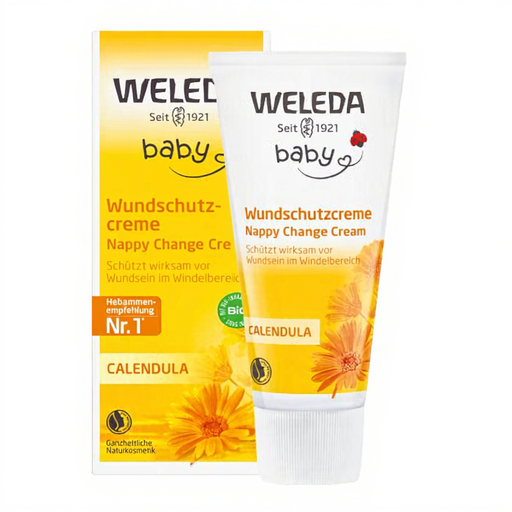
Why this product fits the profile: The 75ml tube is designed for daily nappy-area care and suits parents looking for a natural-cosmetics option with a clearly stated purpose.
The area of use is clearly stated. You can check the INCI list before buying; it includes zinc oxide, beeswax and lanolin, but also fragrance ingredients.
Organic almond and sesame oil according to product information; certified natural cosmetics and protective wax components.
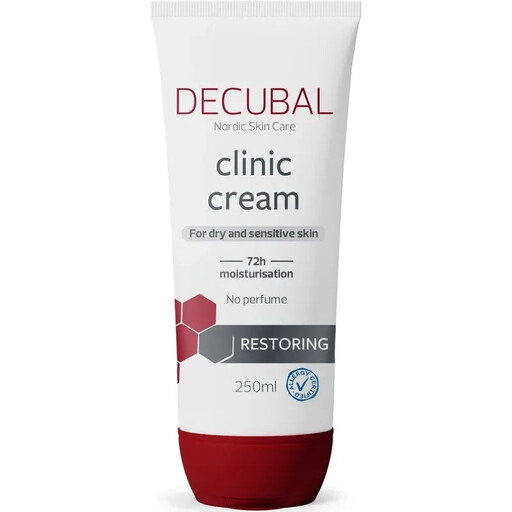
Why this product fits the profile: The large 250g pack is aimed at people who regularly use a rich cream for dry skin on the body, hands, elbows or knees.
The product information states a 38 percent lipid content and a formulation free from perfume, colourants and parabens. This makes selection easier if you want to avoid fragrance ingredients.
Glycerin, lanolin and dimethicone according to the INCI; indicated for use on both face and body.
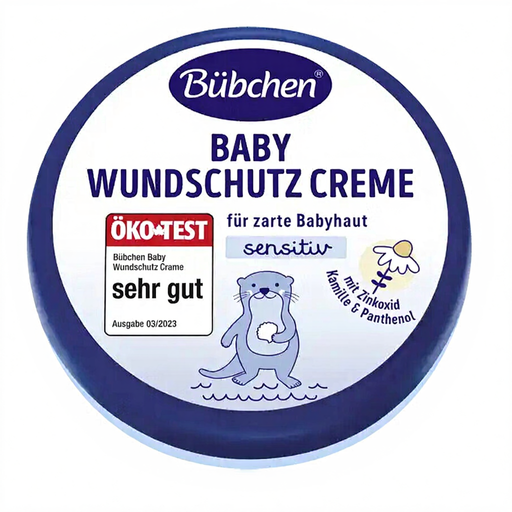
Why this product fits the profile: The 150ml size is practical for families who use a nappy-rash cream regularly in the nappy area.
According to the product description, the formula is free from silicones, colourants and microplastics. Its specific purpose remains nappy-area care, not general facial skincare.
Zinc oxide, chamomile and panthenol according to product information; dermatologically tested for skin tolerance.
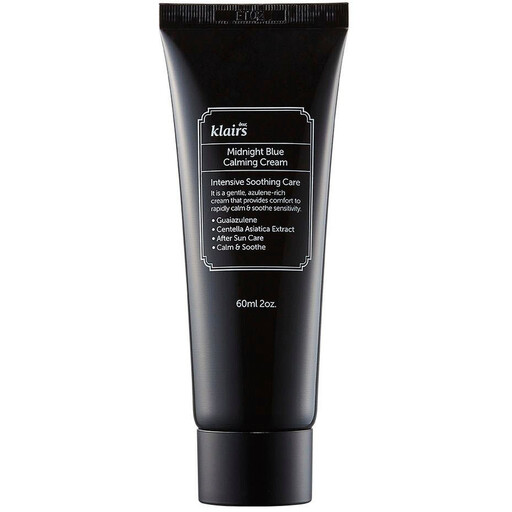
Why this product fits the profile: This Korean face cream has a concentrated texture and, according to the product description, can be used on targeted areas or all over the face.
Application can be tailored to individual areas of the skin. If you have sensitive skin, start by testing a small amount, as the INCI list contains numerous plant and skincare components.
Guaiazulene, Centella Asiatica extract and Ceramide NP according to the INCI; can be used morning and evening.
We have compiled a full, regularly updated list of products that fully meet these strict selection criteria and the safety regulations in force in the EU.
Apply a face cream after cleansing to slightly dry skin. A small amount is usually enough; with a very rich formulation, a thin layer may feel more comfortable. In the morning, if you are using active ingredients or UV-relevant skincare, be sure to add a suitable sunscreen to your routine.
Pay attention to the expiry date, the batch number and the symbol indicating how long the product lasts after opening. Many products state a shelf life of twelve months after opening, but the specific information on the packaging is what counts. Use pots with clean hands and protect them from heat and direct sunlight.
Look for glycerin, panthenol, squalane, ceramides or skin-nourishing lipids. For very dry body skin, a richer cream may be beneficial, while the face often prefers a lighter texture. If you have known sensitivities, try to avoid fragrance ingredients as much as possible.
That depends on the product and how your skin feels. Twice daily – morning and evening – or as needed is common. For baby nappy-rash creams, follow the manufacturer’s instructions, which usually relate to nappy changes. If your skin gets unusually worse, don’t try to mask it by applying more frequently.
Refer to the symbol for shelf life after opening and the printed best-before or expiry date. If the smell, colour or consistency changes, stop using the product regardless of the date.