
Lieferung heute & morgen

Qualitätsgarantie

Willkommens-Angebote freischalten: KOSTENLOSE Lieferung | Bis zu 80 % RABATT | Kostenlose 30-Tage-JoyPlus-Testphase
App herunterladen
Dry, rough or sensitive skin doesn’t automatically need an especially rich formula. What matters is whether a face cream for dry skin or a body cream for dry skin is right for the area you want to treat, which ingredients it contains and how easily it fits into your daily routine. A seemingly good-value large pack may not be suitable if fragrance affects how well your skin tolerates it, or if the texture feels too heavy on your face.
Descriptions such as “Repair”, “Nourishing” or “intensive moisturising care” tell you how a product is positioned, but don’t automatically mean it will suit your skin. Rich creams may contain shea butter, oils, silicones or mineral oils. These ingredients aren’t necessarily a problem, but how suitable they are can vary depending on how your skin feels and which area you’re applying them to.
If you have sensitive skin, it’s worth checking the full INCI list. Pay particular attention to parfum, essential oils and fragrance allergens that must be declared. A fragrance-free cream is often the simpler choice if you want to avoid fragrance.
A body cream can work well on dry elbows, hands or shins, but may feel too rich on your face. On the other hand, a light face cream may not be enough for very dry skin on your body. Check the stated area of use: face, body or both.
“Dermatologically tested”, “hypoallergenic” and “for sensitive skin” can be useful guides, but they don’t guarantee that a product will suit everyone. Your individual response can depend on factors such as fragrance, preservatives, plant extracts and existing skin concerns. Before applying a product more widely, test it on a small area of skin. If redness, stinging, swelling or itching persists, stop using it and seek advice from a dermatologist if needed.
A moisturising cream should contain both humectants and nourishing ingredients. Commonly used humectants include glycerin, hyaluronic acid and urea. Urea is available in different concentrations: lower concentrations are often used to moisturise, while higher concentrations can have a different effect on rough, thickened skin and may not suit every sensitive or irritated area.
For a barrier repair cream, ceramides, cholesterol, skin-identical lipids, squalane and certain oils are also worth considering. A ceramide cream may therefore be a good option if you want to focus your skincare routine on supporting the skin barrier. An ingredient’s position in the INCI list gives a rough indication of how much of it is present, but doesn’t tell you the exact percentage.
A soothing cream for sensitive skin doesn’t necessarily have to be free from plant extracts. However, if you react to fragrance or essential oils, check formulas containing parfum, rosemary oil, citrus oils or fragrance allergens that must be declared. If your skin is very sensitive, shorter, clearer INCI lists can often be easier to assess.
Light creams tend to absorb more quickly and may suit the face, neck or your morning routine. Richer textures are often more practical for dry areas on the body or for use after a shower. A large pack, such as 400 or 450 ml, can be economical and convenient for regular use, while 40 to 50 ml may be enough for the face or for trying a product out.
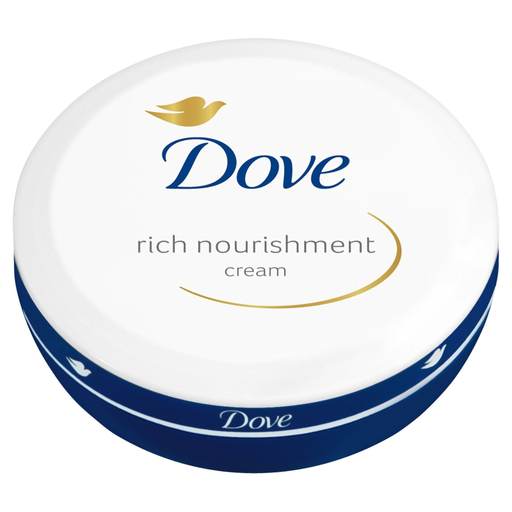
Why this product suits this profile: This body cream is suitable for dry areas such as hands, elbows, knees and heels, and is designed for everyday body care.
Its stated use for the body helps prevent a rich formula from being mistakenly used as a lightweight face cream. If you’re sensitive to fragrance, check the INCI list.
Creamy texture, glycerin and nourishing lipids; 150 ml size for targeted daily use.
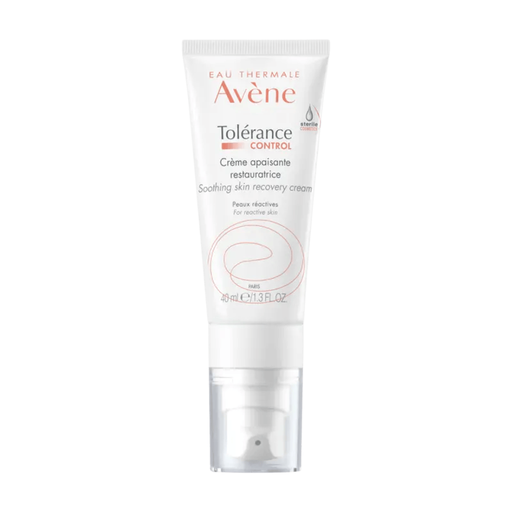
Why this product suits this profile: This face cream is designed for hypersensitive, reactive skin that is prone to intolerance. According to the product information, it contains neither parfum nor preservatives.
Its stated fragrance-free formula avoids a common trigger for irritation. Even so, you should test this cream on a small area first.
40 ml, airtight packaging and a formula designed for sensitive facial skin.
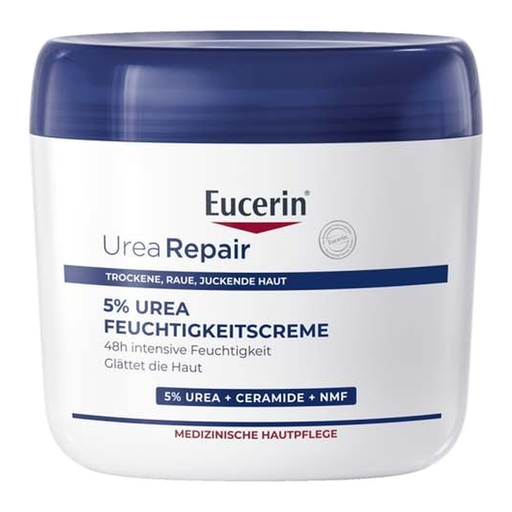
Why this product suits this profile: The 450 ml size is for people who regularly apply body care over larger areas of dry or rough skin.
The clearly stated 5% urea content and fragrance-free formula make this product easier to assess than a cream with vague “Repair” claims.
Urea, natural moisturising factors and ceramides in a fragrance-free body cream; dermatologically tested according to the product information.

Why this product suits this profile: According to the INCI list, this face cream combines several ceramides with cholesterol and different forms of hyaluronic acid, making it suited to a routine focused on hydration and the skin barrier.
The ingredient list lets you check the product’s advertised barrier-supporting ingredients in detail. If you have sensitive skin, you should still consider all plant extracts and how well your skin tolerates them.
50 ml, Ceramides NP, AS, AP, NG, NS and EOP, plus several forms of hyaluronic acid according to the stated INCI list.
We’ve put together a complete, regularly updated list of products that meet these strict selection criteria and fully comply with the safety regulations in force in the EU.
Ideally, apply a body cream for dry skin after showering, while your skin is still slightly damp. This helps you spread it evenly. For your face, a small amount after cleansing is usually enough. If some areas are very dry, you could apply a second thin layer, provided your skin tolerates the formula well.
An anti-ageing cream shouldn’t be chosen on the basis of the term “anti-ageing” alone. Check the moisturising ingredients, fragrance and any active ingredients such as vitamin A derivatives. Follow the manufacturer’s guidance for products containing vitamin A. If you’re pregnant or breastfeeding, speak to a medical professional about using products with these ingredients.
It depends on how your skin feels, how well it tolerates the formula and the texture you prefer. For sensitive facial skin, fragrance-free formulas containing glycerin, ceramides, squalane or hyaluronic acid may be a good place to start. A body cream containing fragrance isn’t necessarily suitable for your face.
Check the period after opening symbol on the packaging, usually shown as an open jar with a number of months. You should also check the product’s smell, colour and consistency. If you notice any significant changes, don’t continue using it.
Urea helps bind moisture and is available in different concentrations. Ceramides are skin-identical lipids and are often used in formulas designed to support the skin barrier. Both approaches can be useful. The key factors are the area of skin, concentration, other ingredients and how well your skin tolerates the formula.