
Lieferung heute & morgen

Qualitätsgarantie

Willkommens-Angebote freischalten: KOSTENLOSE Lieferung | Bis zu 80 % RABATT | Kostenlose 30-Tage-JoyPlus-Testphase
App herunterladen
Pigmentation spots, age spots and an uneven skin tone can’t be targeted with just any cream for pigmentation spots. Many products promise a ‘glow’, vitamin C or visible brightening, yet leave out important details about sun protection, skin compatibility or how to use them. So if you’re looking to buy an anti-pigmentation cream, don’t choose based on the product name alone.
A brightening face cream can make your complexion look more even through hydration, colour pigments or light-reflecting ingredients. That’s not the same as skincare formulated specifically for dark spots on the face or hyperpigmentation. It’s worth checking the full INCI list and the ingredients highlighted by the brand.
UV rays can contribute to the development of new discolouration and make existing spots more visible. A cream for pigmentation spots without adequate daily UV protection may not be suitable for every morning routine. Depending on your day-to-day activities, SPF 30 or SPF 50 may be appropriate. If you’re spending longer outdoors, it’s also important to apply enough and reapply as needed.
Vitamin C derivatives, niacinamide, tranexamic acid and Thiamidol are often used in skincare for age spots. However, concentration, formulation and your individual skin’s response all matter. Fragrance, alcohol or essential oils may be a concern for sensitive skin. Before applying a product more widely, it’s a good idea to test it on a small area of skin.
For a vitamin C cream for pigmentation spots, stabilised vitamin C derivatives such as Ascorbyl Glucoside are one option. Niacinamide cream is often chosen to care for an uneven skin tone and support the skin barrier. Tranexamic acid cream is another option in cosmetic formulations, but should be used according to the manufacturer’s instructions.
Thiamidol is a branded ingredient name found in certain Eucerin and NIVEA products, among others. NIVEA promotes it alongside LUMINOUS630. If you use products containing Thiamidol, follow the maximum frequency of use stated on the packaging.
An anti-pigmentation day cream with SPF 30 or SPF 50 can simplify your morning routine. On the label, SPF 50 indicates a higher level of UVB protection than SPF 30. However, neither rating replaces proper application. If you have sensitive skin or skin prone to pigmentation spots, remember to use sun protection on cloudy days, too.
Important: a day cream with SPF isn’t automatically water-resistant or designed for strenuous outdoor activities. For the beach, sport or longer periods outdoors, a separately labelled sunscreen may be more suitable.
Fluids usually absorb more quickly and suit normal, combination or oily skin. Richer creams may feel more comfortable on dry or mature skin. If your skin is prone to blemishes, lightweight, non-greasy textures are often more practical. A face cream isn’t necessarily the right choice for age spots on your hands: a hand cream specifically labelled for this purpose may be better suited to the area.
The recommendations below group products by specific needs. The details are based on the respective product descriptions. Check the current ingredients list on the packaging before you buy.
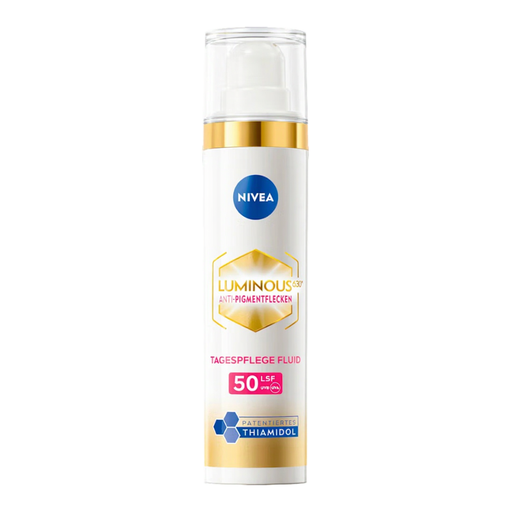
Why this product suits this profile: According to the product description, this fluid combines LUMINOUS630, Thiamidol, hyaluronic acid, vitamin E and SPF 50 in a lightweight day cream. It’s a handy choice if you prefer a simple morning routine.
The stated SPF 50 means sun protection won’t be overlooked when you’re choosing a product. The lightweight fluid is described as quick-absorbing and mattifying. It contains fragrance, which is worth bearing in mind if you have sensitive skin.
SPF 50, plus hyaluronic acid and vitamin E according to the INCI list; 40 ml size with a lightweight texture.
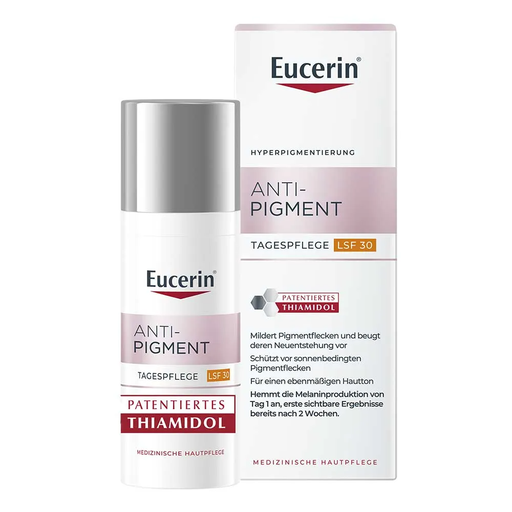
Why this product suits this profile: This day cream is for those looking for a clearly defined combination of Thiamidol and SPF 30. The product description mentions UVA, UVB and blue light protection, as well as a lightweight, non-greasy texture.
The SPF 30 is clearly stated, and the formula names its key active ingredient. Follow the stated maximum frequency of use for products containing Thiamidol and don’t exceed it without advice.
Thiamidol according to the INCI list; SPF 30 and a quick-absorbing texture according to the product description.
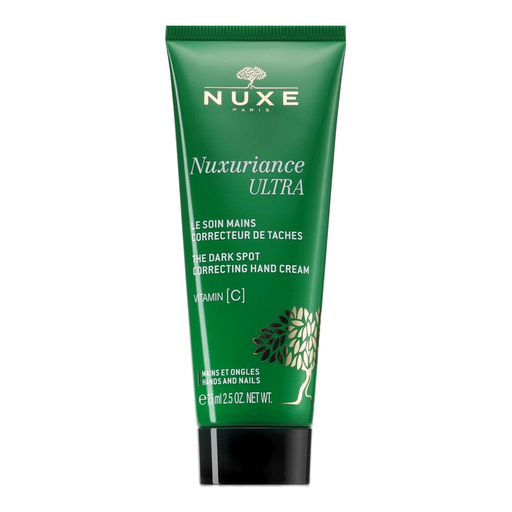
Why this product suits this profile: This cream is specifically designed for the hands. It’s suitable if age spots and dry skin on the backs of your hands are your main concerns.
It’s used for its intended area rather than being applied to the face. Separate sun protection for your hands is still a good idea, as the cream doesn’t state an SPF.
75 ml hand cream with vitamin C, shea butter and sweet almond oil according to the product description; rich care for dry hands.
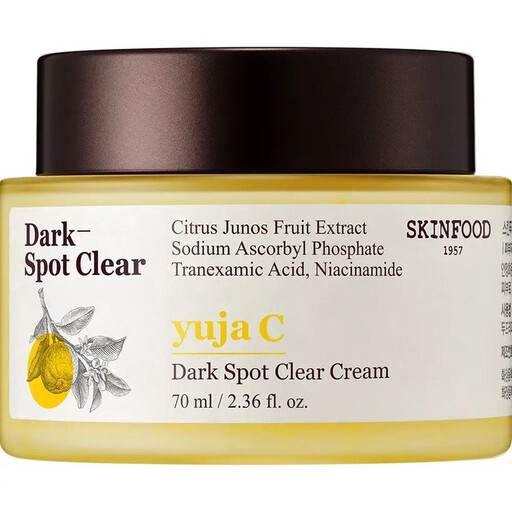
Why this product suits this profile: According to the product description, this cream combines niacinamide, stabilised vitamin C, yuja extract and tranexamic acid with glycerin and hyaluronic acid. Its lightweight texture is described as particularly suitable for normal to dry skin.
The active ingredients and suitable skin type are clearly stated. As no SPF is listed, use a separate SPF 30 or SPF 50 sunscreen during the day.
70 ml size; combination of niacinamide, a vitamin C derivative, tranexamic acid and moisturising ingredients according to the product details.
We’ve put together a complete, regularly updated list of products that meet these strict selection criteria and fully comply with the safety regulations in force in the EU.
It depends on your individual skin’s tolerance. Look for a straightforward formula and check the INCI list for fragrance, alcohol and essential oils. It’s a good idea to patch test before first use. A product labelled as suitable for sensitive skin isn’t guaranteed to suit everyone.
Check the best-before date or PAO symbol on the packaging. Store the cream in a cool, dry place away from direct sunlight, following the manufacturer’s instructions. Changes in smell, colour or texture may be a sign that you should stop using it.
Yes, it can be part of your evening routine. During the day, however, a separate sunscreen with SPF 30 or SPF 50 is recommended if the cream itself doesn’t provide adequate sun protection. This means your routine won’t rely solely on a brightening active ingredient and will take UV protection into account, too.