
Lieferung heute & morgen

Qualitätsgarantie

Willkommens-Angebote freischalten: KOSTENLOSE Lieferung | Bis zu 80 % RABATT | Kostenlose 30-Tage-JoyPlus-Testphase
App herunterladen
There's a special allure to creamy textures—whether it's a rich body cream that nourishes the skin or biscuits with a melt-in-your-mouth filling. But the search for the right product can quickly become overwhelming. Many promises on the packaging turn out to be marketing hype, leading to disappointment and wasted money. As your Joybuy Product Recommendation Officer, I'll help you separate the wheat from the chaff and find products that deliver on their objective promises.
Before you fill your shopping cart, you should be aware of three common issues that often lead to a bad purchase.
To avoid the pitfalls mentioned above, a close look at the product description and ingredient list is often enough. Focus on these three key points:
The order of ingredients indicates their proportion by quantity. For a high-quality body cream, nourishing ingredients like shea butter (Butyrospermum Parkii Butter), glycerin, or urea should be listed near the top. For a creamy spread, it's a good sign if the main ingredient (e.g., hazelnuts, cocoa) is listed before sugar and fillers. Also, look for labels like vegan cream or lactose-free cream if they are relevant to your dietary needs.
For culinary applications, fat content is a central quality feature.
Ensure the product is designed for your intended application. A rich cream for very dry skin might be too heavy for normal skin types. A dessert cream is often heavily sweetened and not intended as a base for a savoury sauce. Check the manufacturer's recommended use to ensure the product meets your expectations.
Here are some product recommendations tailored to different requirement profiles that meet the quality criteria mentioned.
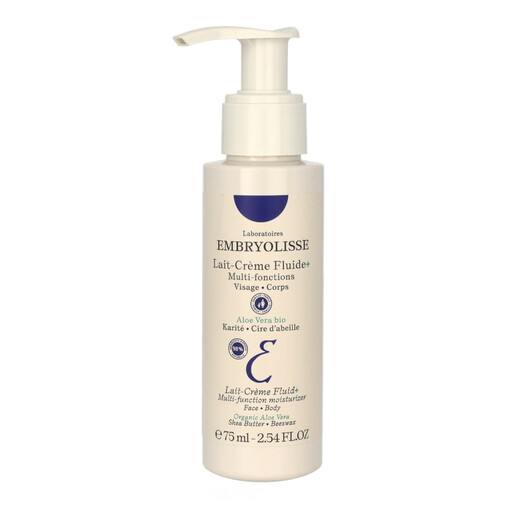
Why This Fits Their Persona: A lightweight, versatile moisturiser for face and body, suitable for the whole family (ages 3 and up). Ideal as an all-rounder in the bathroom.
The formula with organic aloe vera and shea butter provides moisture without leaving a waxy feel. The ingredient list is transparent and focused on nourishment.
6-in-1 use (cream, make-up base, cleanser, after-sun, after-shave). According to the manufacturer, 98% of the ingredients are of natural origin.
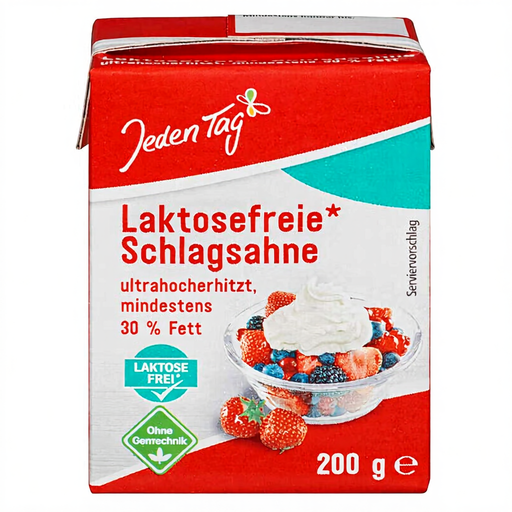
Why This Fits Their Persona: For anyone who doesn't want to miss out on the full flavour of cream in desserts or sauces despite being lactose intolerant.
The clear labelling as lactose-free cream avoids the pitfall of hidden ingredients. The fat content of 30% is explicitly stated, ensuring it performs well when whipped.
Whips well when chilled. As a UHT cream, it has a long shelf life, making it practical for pantry stocking.
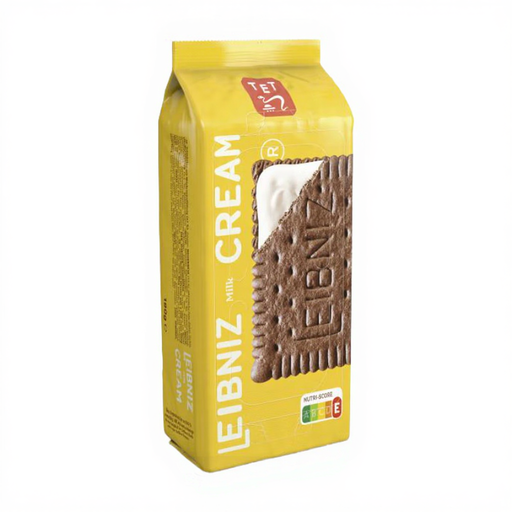
Why This Fits Their Persona: A classic sandwich biscuit for a small snack, offering a familiar combination of crunchiness and creaminess.
The product promises exactly what it is: cream-filled biscuits. The description is straightforward and doesn't create false expectations of an overly complex flavour experience.
The combination of two crispy cocoa biscuits and a milk cream filling (47%) provides a balanced texture. Made in Germany.
We have compiled a complete, up-to-date list of products that fully meet these strict selection criteria and German regulations.
Look for moisturising and moisture-binding ingredients high up on the ingredient list. These include Urea, Glycerin, Shea Butter (Butyrospermum Parkii Butter), and various oils. Products like the Garnier Body Urea 24H Smoothing Cream-Milk are specially formulated for dry skin and contain 5% urea to strengthen the skin barrier.
No, the ability to be whipped depends directly on the fat content. For a stable result, for example for cakes or desserts, the cream should have a fat content of at least 30%. Products with a lower fat content are called cooking cream and are suitable for refining sauces, as they are more heat-stable but cannot be whipped stiff.
A creamy spread is usually designed to be spreadable at room temperature and has a balanced sweetness that pairs well with bread or rolls. A dessert cream, like the Dr. Oetker Herrencreme, is often a powder to be mixed with milk. It has a pudding-like consistency, is usually sweeter, and serves as a standalone dessert.