
Lieferung heute & morgen

Qualitätsgarantie

Willkommens-Angebote freischalten: KOSTENLOSE Lieferung | Bis zu 80 % RABATT | Kostenlose 30-Tage-JoyPlus-Testphase
App herunterladen
Anyone looking to buy Creatine Monohydrate will find a wide range of products in the German online marketplace, with different dosages, formats and added ingredients. At first glance, the choice seems straightforward: powder, capsules or gummies – plus terms such as “micronised”, “vegan” or “with electrolytes”. In practice, however, details on the label determine whether a supplement suits your daily training and can be used sensibly over the long term.
A 5 g serving of powder does not automatically contain 5 g of pure creatine. Flavoured products may contain acidifiers, sweeteners or flavourings. The key information is therefore the “of which creatine” figure or the amount of Creatine Monohydrate per serving.
With capsules, there is another factor to consider: the daily serving may consist of several capsules. A product containing 240 capsules will therefore not necessarily last 240 days. The manufacturer’s stated daily dose is what matters.
Pure Creatine Powder ideally contains only Creatine Monohydrate. Blends with vitamins, caffeine or electrolytes contain additional ingredients. This may be useful for specific purposes, but it makes comparisons with a pure product more difficult.
If you are looking for unflavoured creatine, check the ingredients list for sweeteners, flavourings and colourings. If you have allergies or intolerances, information about possible traces of milk, gluten, soya, eggs or nuts is also relevant.
“Micronised” describes a finer powder structure, but on its own says nothing about the serving size, purity or price per use. Creapure Creatine is also a brand name for Creatine Monohydrate and should not be confused with a fundamentally different type of active ingredient. Always check the information on origin, ingredients, net quantity, number of servings and recommended intake.
For adults, a daily amount of around 3 g of creatine is often used as the basis for the authorised EU wording regarding physical performance during repeated bouts of short-term, high-intensity exercise. The specific intake should follow the label of the product in question. A loading phase is not essential when choosing a product; a clear, easy-to-understand daily serving is more important.
So do not compare just the pack price. Also consider:
Creatine Powder can be mixed flexibly with water, juice or a protein shake. A measuring scoop is convenient, but you should ideally check it against the number of grams stated on the label.
Creatine Capsules do not need to be measured and are easy to take when you are out and about. Depending on the product, however, you may need to swallow several capsules each day. The capsule material is also important: some products use gelatine, while others have a plant-based capsule shell.
Creatine Gummies are pre-portioned and do not require a drink. However, they often contain sugar, glucose syrup, acidifiers or flavourings. If you want to keep calories and added ingredients as low as possible, compare these details with powder or capsules.
When choosing vegan creatine, you should check not only the creatine itself, but also the capsule shell and any other ingredients. In this respect, a powder labelled “100% Creatine Monohydrate” is usually easier to assess.
Products such as Creatine with Electrolytes or Creatine with Vitamins combine several ingredients. They may appeal to people who want to bring these components together in a single product. However, they are not a substitute for personalised dietary planning. With caffeine-containing versions, you should include the additional caffeine in your total daily intake.
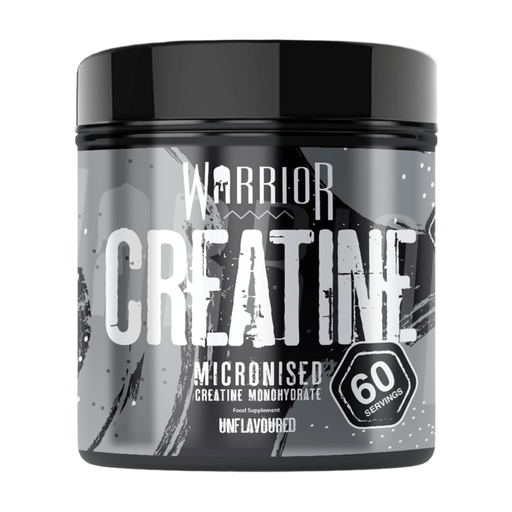
Why this product suits this profile: According to the product information, the powder provides 60 servings at a recommended amount of 5 g per day and can be mixed with water, juice or a protein shake.
The product information lists Creatine Monohydrate and silicon dioxide as ingredients, keeping the ingredients list straightforward.
300 g contents, unflavoured format and stated 5 g serving.
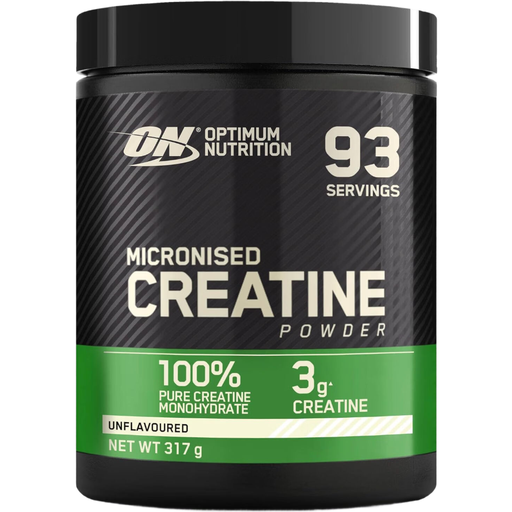
Why this product suits this profile: The product description states that this is a micronised, unflavoured powder providing 3 g of creatine per serving and approximately 88 servings.
The information distinguishes between serving size and the actual amount of creatine. This makes it easier to compare the content objectively.
317 g contents, micronised structure and the option to mix it with other drinks.
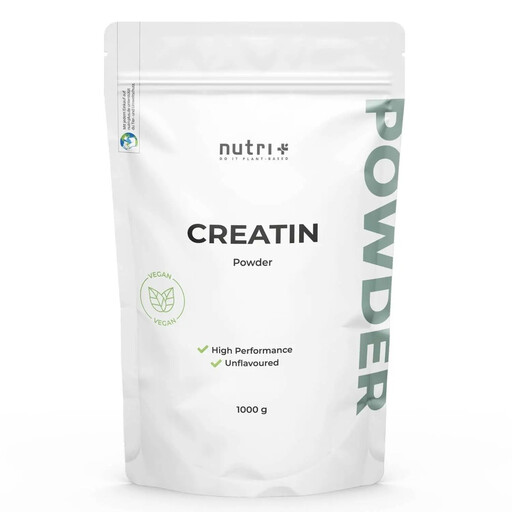
Why this product suits this profile: This large pack may appeal to people planning to use creatine for strength training or regular intensive workouts over a longer period.
According to the product description, the powder contains only Creatine Monohydrate and no sweeteners, colourings or preservatives.
1,000 g contents, vegan format and a stated daily serving of 3.4 g of powder containing 3 g of creatine.
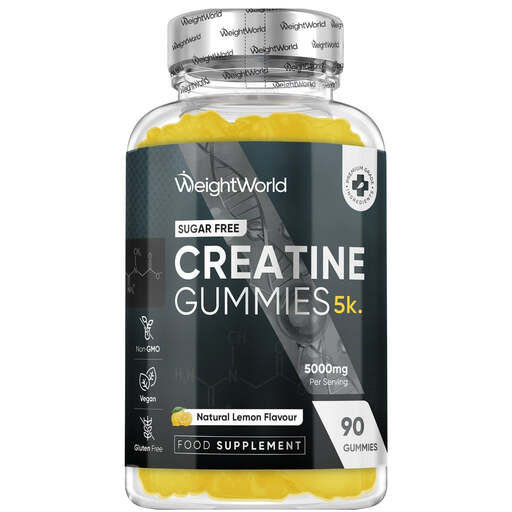
Why this product suits this profile: The chewable format is ideal for adults who do not want to measure powder or swallow capsules.
The daily serving is stated as three gummies. At the same time, the ingredients list highlights glucose syrup, sugar, pectin and flavourings.
No preparation required; 90 gummies per tub and a vegetarian, gelatine-free product description.
Always follow the recommended intake on the packaging and do not exceed the stated daily dose. Depending on the product, you can take it before or after training, or at a consistent time on rest days. Drinking enough fluid is part of a normal training routine, but does not replace personalised medical advice.
Food supplements are not a substitute for a balanced and varied diet. The products mentioned are intended for adults. Pregnant and breastfeeding people, as well as anyone with kidney disease, existing health conditions or regular medication, should seek medical advice before use. Store creatine in a dry place, tightly sealed and in accordance with the manufacturer’s instructions.
We have put together a complete, regularly updated list of products that fully meet these strict selection criteria and the safety regulations applicable in the EU.
That depends on the daily serving. At 5 g per day, 300 g of powder will last approximately 60 days. With a serving of 3 g of creatine per day, the same pack size may last considerably longer. With capsules and gummies, you should check the number required per daily serving.
Product information generally recommends taking it daily, including on rest days. The instructions from the relevant manufacturer are the deciding factor. The timing of intake is less important than using it consistently as directed on the label.
This can only be assessed by looking at the price per gram of creatine or the price per daily serving. Powder often provides more servings per pack. Capsules, on the other hand, offer a pre-measured serving, while gummies may contain additional ingredients such as sugar or sweeteners because of their format.