
Lieferung heute & morgen

Qualitätsgarantie

Willkommens-Angebote freischalten: KOSTENLOSE Lieferung | Bis zu 80 % RABATT | Kostenlose 30-Tage-JoyPlus-Testphase
App herunterladen
Creatine monohydrate is one of the most popular food supplements for strength training and short, intense periods of exercise. The choice ranges from unflavoured creatine powder and flavoured versions to creatine tablets and products with added caffeine. This variety can make comparisons difficult: a large container does not automatically mean more servings, and “micronised” alone says nothing about the actual amount of creatine per daily serving.
This buying guide explains which details on the label matter, which marketing pitfalls are common and which product may suit different usage profiles.
Some products state that a serving contains, for example, 4.5 or 5 grams of powder, but only 3 grams of actual creatine. For comparison purposes, the line stating “of which creatine” or the precise amount of creatine monohydrate is therefore crucial. The total powder weight alone is not enough.
Micronised creatine may disperse more easily in liquid, depending on the formulation. This is particularly relevant when preparing the product. However, the term does not automatically prove higher purity or greater benefits compared with conventional creatine monohydrate. You should also check the ingredients list, serving size and number of servings.
Flavourings, sweeteners, colourings and caffeine may be useful for certain users, but they are not essential for creatine. If you already drink coffee or use pre-workout products, you should include the additional caffeine content in your daily planning. Even a seemingly good-value bulk pack may be less straightforward because of numerous added ingredients or a low amount of active ingredient per serving.
For adults, a daily intake of 3 grams of creatine is often stated in connection with short, repeated, high-intensity exercise. You should therefore pay attention to the actual stated amount of creatine, rather than just “creatine monohydrate” appearing as an ingredient name. A loading phase is not required for the products presented here; the recommended intake from the respective manufacturer is the key consideration.
Creatine powder can be mixed flexibly with water, juice or a protein shake. A measuring scoop is convenient, but should ideally be checked against the gram measurement on the packaging. Tablets, on the other hand, provide a fixed number per serving and are worth considering if you do not want to mix anything while out and about. However, several tablets need to be swallowed.
Always compare:
Pure creatine monohydrate normally contains no flavourings or sweeteners. Flavoured products, on the other hand, may contain acidity regulators, sweeteners and colourings. If you follow a vegan diet, you should check both the active ingredient and the capsule shell and other excipients. The description vegan creatine does not automatically apply to every product containing creatine.
Statements such as “may contain traces of milk, gluten, soya, egg or nuts” are also relevant for allergy sufferers. For products containing caffeine, the caffeine content and time of intake should also be considered when making your purchase decision.
The following selection is based on format, stated active ingredient, ingredients list, servings and specific intended uses. It does not constitute medical advice.
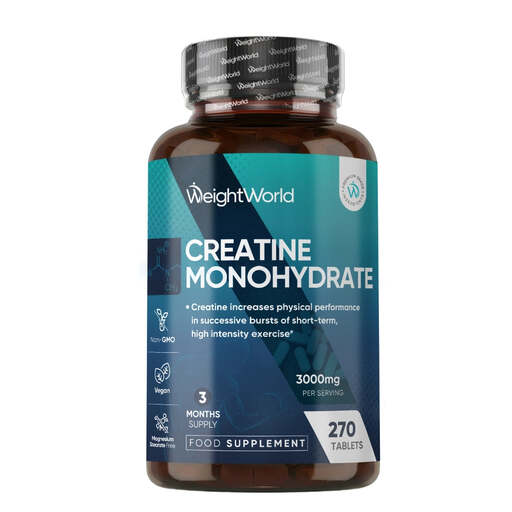
Why this product suits the profile: The tablet format is suitable for beginners who prefer a set serving and do not want to weigh or mix powder. According to the product information, three tablets provide 3,000 mg of creatine monohydrate.
The pack contains 270 tablets, which works out at 90 daily servings when taking three tablets a day. This makes it easier to estimate how long the pack will last than with a powder that has no clear measuring aid.
Unflavoured tablets, free from gluten, milk and soya according to the product information; stated as suitable for a vegan diet.
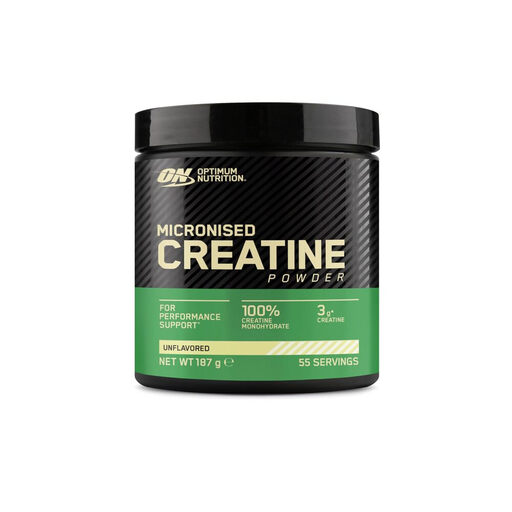
Why this product suits the profile: According to the ingredients list, this unflavoured powder consists of creatine monohydrate. The micronised form may appeal to people who prefer a flexible mix with water, whey or a recovery drink.
The information distinguishes between 3.4 g of creatine monohydrate and 3 g of creatine. This makes it easier to compare the active ingredient amount with flavoured blends.
Around 55 servings, an unflavoured formula and, according to the product information, no declared allergens.
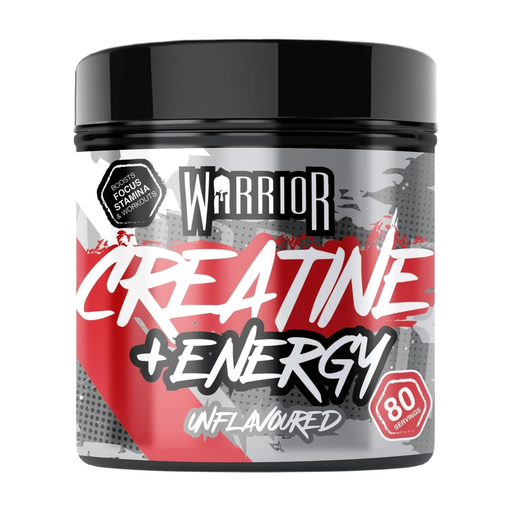
Why this product suits the profile: This combination is aimed at adults who want to use creatine and caffeine in one product. Each serving provides 80 mg of caffeine, along with added B vitamins.
The caffeine content is stated per serving. However, the product information lists different serving weights, so the measuring scoop and label should be checked against each other before use.
360 g contents and 80 stated servings; unflavoured powder that can be mixed with water or juice.
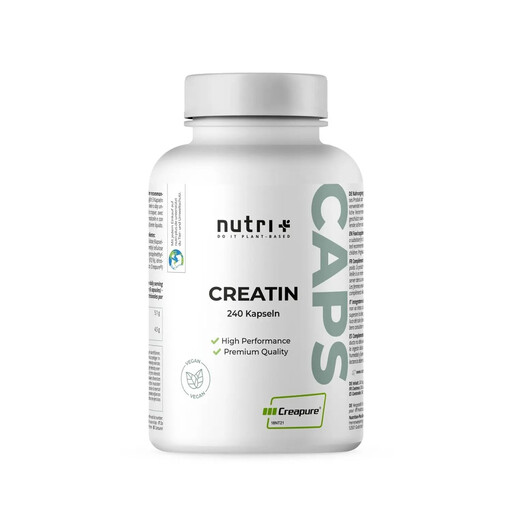
Why this product suits the profile: The product is described as vegan and, according to the information provided, uses Creapure creatine monohydrate. The formula is intended for people who want to avoid sweeteners, flavourings, colourings and preservatives.
The ingredients list names creatine monohydrate and a plant-based capsule shell. As the product title says powder but the description mentions five capsules per serving, you should check the current packaging details before buying.
Described as 100% Creapure creatine monohydrate, with no declared flavourings or sweeteners; intake without a loading phase is stated.
We have put together a complete, regularly updated list of products that fully meet these strict selection criteria and the safety regulations applicable in the EU.
Follow the dosage instructions on the relevant packaging and do not exceed the recommended daily amount. Adequate fluid intake is part of a balanced diet, but does not replace individual medical advice. Food supplements are not a substitute for a varied diet and healthy lifestyle.
The products are intended for adults aged 18 and over. If you are pregnant or breastfeeding, have existing kidney disease, take medication regularly or have other health concerns, you should seek medical advice before use. Products containing caffeine should not be combined indiscriminately with several other caffeinated drinks.
Depending on the formula, the products featured generally state a daily serving of around 3 grams of actual creatine. The specific product labelling is what matters. If you have any particular health concerns, you should discuss individual dosage with a medical professional.
Neither format is automatically preferable. Powder can be dosed flexibly and mixed with drinks. Tablets provide a fixed serving and are convenient when you are out and about. Compare the active ingredient amount, daily serving, number of servings and price per serving.
This depends on the net contents and daily serving. 270 tablets taken at three tablets a day work out at 90 days. A powder with 55 servings will correspondingly last 55 days when taken daily. The information on the current label remains the decisive source.