
Lieferung heute & morgen

Qualitätsgarantie

Willkommens-Angebote freischalten: KOSTENLOSE Lieferung | Bis zu 80 % RABATT | Kostenlose 30-Tage-JoyPlus-Testphase
App herunterladen
If you want to buy creatine monohydrate powder, you will find numerous products with similar packaging but different quantities, dosages and ingredient lists. Whether you are into strength training, CrossFit, martial arts or short, repeated bursts of activity, the brand name is not the only thing that matters. The key factors are how much actual creatine each serving contains and whether the product fits into your daily routine.
Some products contain sweeteners, flavourings, acidity regulators or caffeine in addition to creatine. This can increase the powder weight without adding more creatine monohydrate. Always compare:
For example, according to the product information, a flavoured product from Optimum Nutrition provides 3 g of creatine per 4.5 g serving. The remaining ingredients are used, among other things, to improve flavour and solubility.
Micronised creatine consists of finely ground particles. This can make it easier to mix and may create a less gritty texture. However, the term does not automatically mean that the powder is free from additives or meets a particular purity standard.
If you prefer a straightforward creatine supplement, look for a short ingredient list. Some products list only “Creatine Monohydrate” as an ingredient, while others also contain flavourings, sweeteners or anti-caking agents.
Creatine powder with caffeine may appeal to people who want to use caffeine deliberately before training. For late workouts, caffeine-sensitive individuals or daily use, a caffeine-free option is often easier to plan. Check, for example, whether Warrior Creatine Monohydrate Plus Energy contains 80 mg of caffeine per serving as well as B vitamins.
The authorised EU claim refers to a daily intake of 3 g of creatine: creatine improves physical performance in successive bursts of short-term, high-intensity exercise. This beneficial effect is obtained with a daily intake of the stated amount. In practical terms, the total weight of the tub is not the main comparison point; the actual creatine content per serving is what matters.
The quantities recommended by manufacturers vary. Examples from the product selection include:
A loading phase is not essential for daily use. The information on the individual product label remains the deciding factor.
Pure creatine monohydrate is unflavoured and can be mixed into water, juice, protein shakes or recovery drinks. This is convenient if you want to customise your drink. Flavoured creatine, on the other hand, can make daily use more enjoyable, but usually contains additional ingredients such as sweeteners, acidity regulators and flavourings.
Also check for information about possible traces of milk, gluten, egg, soya, nuts or peanuts. “Vegan” refers to the recipe or ingredients used in the products mentioned; if you have allergies, check the specific packaging information.
A larger pack does not automatically reduce your ongoing costs. Divide the price by the stated number of servings, then compare the creatine content per serving. A 1,000 g pack may be practical for frequent users, while a smaller tub takes up less storage space for beginners and requires less initial spending.
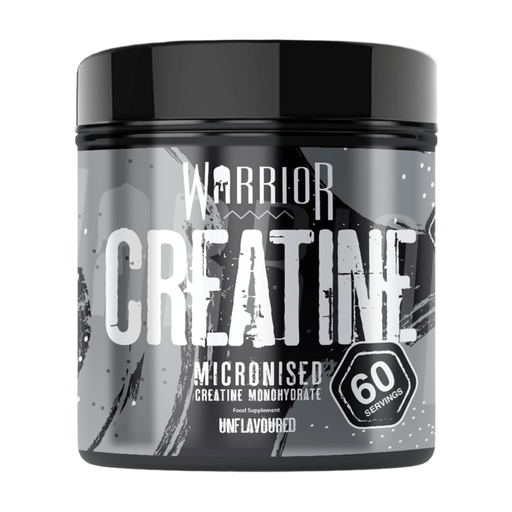
Why this product suits this profile: According to the product information, the 300 g tub provides 60 servings at a recommended daily amount of 5 g. This is a manageable pack size for starting a daily routine.
The ingredient list names micronised creatine monohydrate and silicon dioxide as an anti-caking agent; no flavourings or sweeteners are listed.
Unflavoured powder, a 5 g serving and flexible use in water, juice or protein shakes.
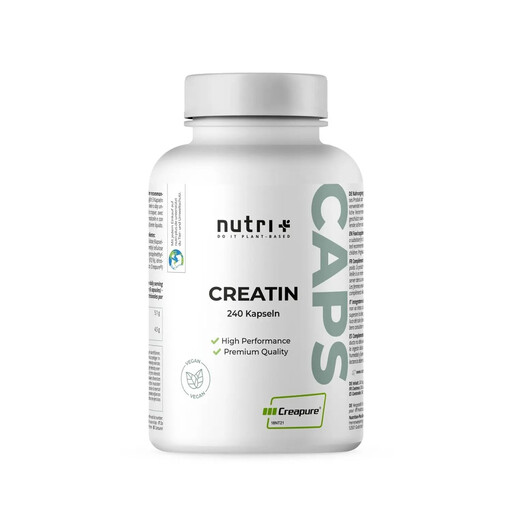
Why this product suits this profile: According to the product description, the recipe consists of 100% Creapure creatine monohydrate and is intended for physically active adults following a vegan diet.
The information lists no sweeteners, colourings, flavourings, preservatives or fillers. The specific recommended intake is five capsules daily, so check before buying whether this format suits your preferred powder routine.
Creapure as the stated raw material and vegan positioning; no loading phase according to the manufacturer’s information.
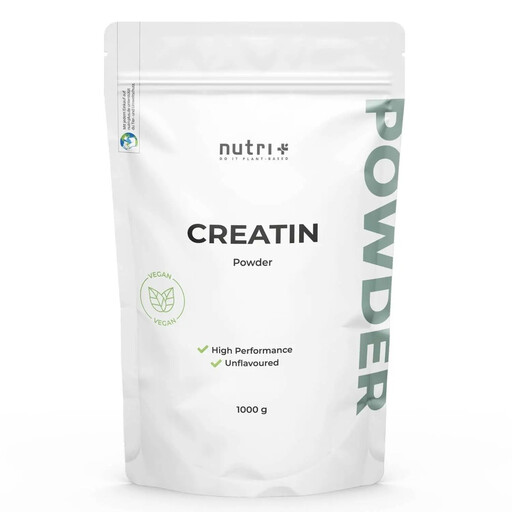
Why this product suits this profile: The 1,000 g pack is aimed at people who regularly use creatine for strength training, intense workouts or recurring training cycles.
The ingredient list states 100% creatine monohydrate. The large pack makes it easier to calculate the price per serving; store the product in a dry place and keep it tightly sealed.
Listed as vegan, unflavoured and with a recommended daily serving of 3.4 g of powder.
We have put together a complete, regularly updated list of products that fully meet these strict selection criteria and the safety regulations applicable in the EU.
For daily use, setting a regular time is usually more practical than timing your intake solely around your workout. According to the manufacturer’s instructions, the powder can be mixed into water, juice or a shake. Only use the enclosed scoop as an accurate measure if the product clearly specifies that quantity. A kitchen scale may be more accurate for different serving sizes.
Store creatine in a dry, cool place away from direct sunlight. Reseal the container after each use, as moisture can alter the consistency. Food supplements should not be used as a substitute for a balanced diet. The products in this selection are intended for adults. If you have kidney disease, existing health concerns, take medication, or are pregnant or breastfeeding, seek medical advice before use.
Depending on the recipe, the products in this selection recommend around 3 to 5 g of powder daily. The stated amount of actual creatine is the key factor. Follow the dosage instructions on the label and do not exceed the recommended daily amount.
The best-before date on the packaging is the deciding factor. If stored in a dry, cool place in a sealed container, the powder can be used up to this date. Clumping caused by moisture indicates unsuitable storage conditions; do not use the product if it has an unusual smell, discolouration or damaged packaging.
This depends on the price per serving and the actual creatine content. A flavoured product may contain more ingredients and require a larger serving size. Therefore, do not compare only the pack price: also compare the price per 3 g of creatine or per recommended daily serving.