
Lieferung heute & morgen

Qualitätsgarantie

Willkommens-Angebote freischalten: KOSTENLOSE Lieferung | Bis zu 80 % RABATT | Kostenlose 30-Tage-JoyPlus-Testphase
App herunterladen
Creatine monohydrate powder is one of the most commonly used food supplements for strength training, CrossFit and other short, intense activities. At first glance, choosing a product seems simple: buy the powder, take it daily and you’re done. In practice, however, products differ in terms of creatine per serving, ingredients, number of servings and preparation.
If you focus only on the pack size or eye-catching marketing claims, you may end up paying for flavourings, sweeteners or additional ingredients when what you really want is a straightforward creatine supplement. This guide explains which details matter before you buy and which products may suit different usage profiles.
A 300 g pouch does not automatically contain 300 g of pure creatine. Flavoured products may contain acidifying agents, sweeteners, colourings or other ingredients. That is why the stated “creatine per serving” or the proportion of creatine monohydrate is what really matters.
For example, some flavoured products provide 3 g of active creatine in a 4.5 g serving. The remaining weight comes from the creatine compound and flavouring ingredients.
Micronised creatine is marketed as having particularly fine particles. These may make it easier to mix and create a less gritty mouthfeel. However, the term alone says nothing about the actual amount of creatine, the quality of the ingredients or the cost per serving.
So always check:
Creatine with caffeine or vitamins may be useful at certain training times, but it is not the same as a pure creatine supplement. Caffeine may be disruptive in the evening and should be taken into account as part of your total daily intake. If you are looking for unflavoured creatine to add to protein shakes, you probably do not need these extras.
Creatine monohydrate is the form used in the products considered here. When choosing a product, the key point is whether the ingredients list clearly states how much creatine monohydrate or active creatine is included per daily serving.
According to the respective product labelling, a daily intake of 3 g of creatine may contribute to improved physical performance during repeated, short-term, high-intensity exercise. This authorised, function-related claim should not be confused with a promise of treatment or cure.
The product recommendations in this selection generally range from 3 to 5 g of powder per day. It is important to distinguish between the amount of powder and the actual creatine content. For example, one 4.5 g scoop of powder may provide 3 g of creatine.
A loading phase is not essential for daily use. Consistent intake in line with the instructions on the relevant packaging is what matters. Kitchen scales may be useful if the scoop does not allow for accurate dosing.
Unflavoured creatine can be combined with water, juice, whey or a recovery drink without significantly changing the flavour. Flavoured creatine, on the other hand, can be a convenient way to take the powder with water alone. However, it often contains additional acidifying agents, flavourings, sweeteners or colourings.
If you are looking for vegan creatine, check the specific product labelling. The term “vegan” must apply to the complete product, not just the source ingredient. Possible traces from the manufacturing process may also be relevant for allergy sufferers.
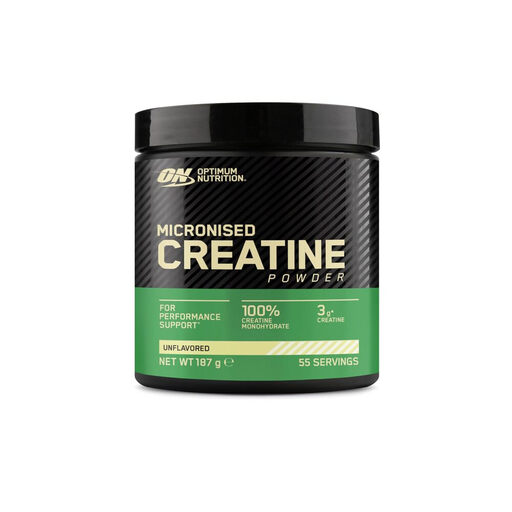
Why this product suits this profile: According to the product information, this unflavoured powder contains 3 g of creatine per serving and can be mixed with water, whey or a recovery drink. With approximately 55 servings, it is suitable for beginners who do not want additional flavourings.
The ingredients list identifies creatine monohydrate as the only listed ingredient. This makes it easier to compare the amount of creatine with the pack weight and the price per serving.
Unflavoured, micronised creatine; according to the product data, 3 g of creatine per serving and approximately 55 servings.
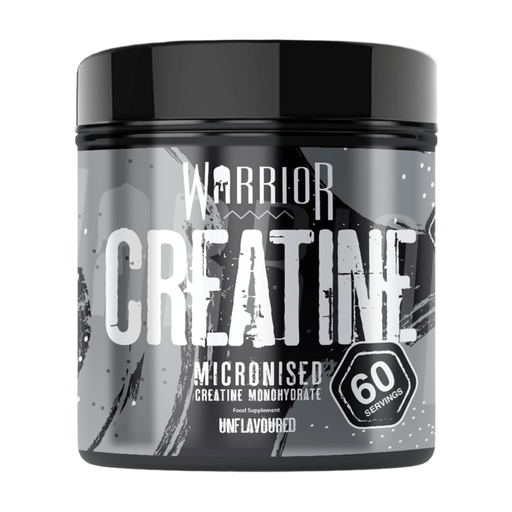
Why this product suits this profile: According to the product description, this powder is micronised and intended to be taken at a dosage of 5 g per day. It is aimed at adults who want to incorporate creatine into their routine for strength training, weightlifting or other high-intensity sports.
The product information lists creatine monohydrate and silicon dioxide as an anti-caking agent. This allows buyers to see that the focus is not on a flavour or caffeine blend.
300 g pack, micronised powder and, according to the product data, 60 servings at a daily serving of 5 g.
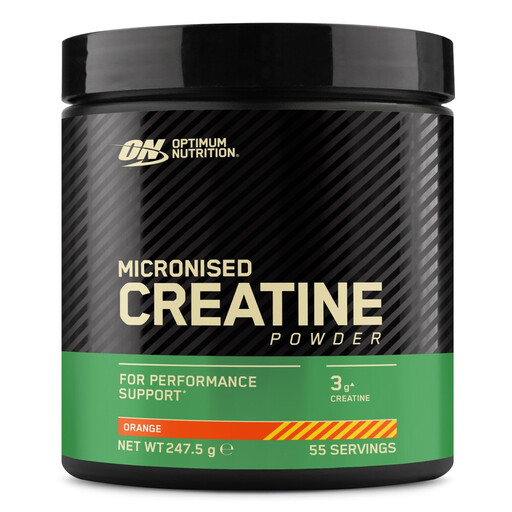
Why this product suits this profile: If you want to take creatine with water every day and do not prefer an unflavoured powder, this is a flavoured orange option. According to the product information, one serving provides 3 g of active creatine and the pack contains approximately 55 servings.
Alongside the flavouring, the product data lists sweeteners, acidifying agents, salt and a colouring. These additional ingredients are clearly visible before purchase, allowing you to compare them with your personal preferences.
Orange flavour, micronised powder and 3 g of active creatine per 4.5 g serving, according to the product information.
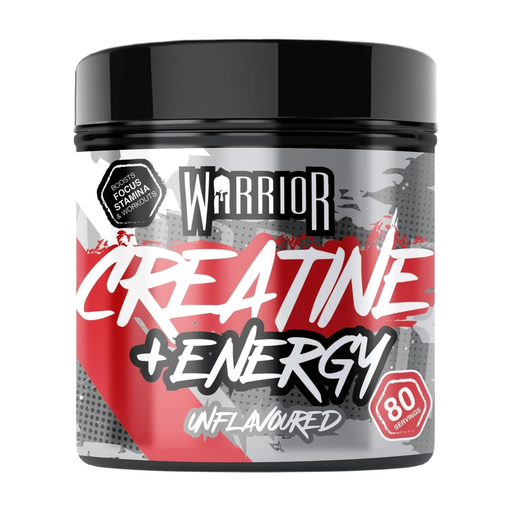
Why this product suits this profile: According to the product information, this product combines creatine monohydrate with 80 mg of caffeine per serving and B vitamins. It may suit people who deliberately schedule their training and caffeine intake early in the day.
The combination is clearly stated: alongside 5 g of creatine monohydrate, the ingredients list includes caffeine, maltodextrin, silicon dioxide and B vitamins. This makes it easy to distinguish the product from pure creatine powder.
360 g pack size, 80 servings according to the product data, and unflavoured powder with added caffeine.
We have put together a complete, regularly updated list of products that fully meet these strict selection criteria and the safety regulations applicable in the EU.
Check the following points before ordering creatine monohydrate powder:
The specific creatine dosage depends on the information on the packaging. The products listed generally recommend taking 3 to 5 g of powder once daily with water or another drink. The powder should be mixed thoroughly and consumed soon after preparation.
This depends on the pack size and daily serving. A 187 g pack containing approximately 55 servings will last around 55 days when taken daily. According to the product information, a 300 g pack with 5 g servings corresponds to approximately 60 days. Serving information may vary between the product page and the packaging; the label on the delivered product is authoritative.
No. Micronised creatine is not essential. The finer powder structure may make mixing easier. For choosing a product, the stated creatine content, a clear dosage and a suitable ingredients list are more important than the marketing claim “micronised” alone. If you have existing kidney disease, take medication, are pregnant or breastfeeding, seek medical advice before taking it.