
Lieferung heute & morgen

Qualitätsgarantie

Willkommens-Angebote freischalten: KOSTENLOSE Lieferung | Bis zu 80 % RABATT | Kostenlose 30-Tage-JoyPlus-Testphase
App herunterladen
Creatine monohydrate powder is one of the most popular supplements for strength training, CrossFit, HIIT and other short, high-intensity activities. At first glance, choosing a product seems simple: compare the powder, flavour and pack size, place your order and take it daily. In practice, however, products differ in terms of creatine per serving, ingredient list, solubility and cost per serving.
If you focus only on a large tub or terms such as ‘micronised’, you could end up spending more than necessary. The following criteria will help you distinguish marketing claims from product information that is genuinely relevant.
Creatine is available in sizes such as 300 g creatine, 500 g creatine and 1000 g creatine. A larger pack may reduce the price per serving, but this is not guaranteed. The key calculation is:
Total price ÷ number of stated servings = price per serving
You should also compare how much active creatine each serving actually provides. Some products, for example, state 3 g of creatine per serving, while the amount of powder required is 3.4 g or 4.5 g.
Micronised creatine contains more finely distributed particles, which can make it easier to mix into water or other drinks. However, the term alone says nothing about purity or the actual amount of creatine. Check whether the product also contains sweeteners, flavourings, colourings, acidity regulators or anti-caking agents.
If you are looking for pure creatine without additional ingredients, choose an ingredient list with preferably just one entry: creatine monohydrate.
Unflavoured creatine can be mixed into protein shakes, juice or a recovery drink without significantly changing the flavour. Flavoured creatine, on the other hand, may make your daily drinking routine more enjoyable, but often contains additional ingredients such as sweeteners, acidity regulators and colourings. This is not a judgement on quality, but a matter of personal preference and tolerance.
For adults, the products listed here usually state a daily serving containing 3 g of creatine. The required amount of powder varies depending on the formula. Therefore, you should look beyond ‘one scoop’ and check the nutritional or product information:
Approved claims regarding physical performance refer to a daily intake of 3 g of creatine. This is not a medical statement and does not replace individual advice.
Single-ingredient creatine monohydrate is appealing to shoppers who want to keep their supplement routine simple. Products containing magnesium, caffeine or vitamins, on the other hand, are aimed at people who want to combine several ingredients.
One example is creatine with caffeine: this can be practical if you are not planning to have a separate caffeinated drink. At the same time, you should take your total caffeine intake from coffee, energy drinks, pre-workout products and the creatine supplement into account. Caffeine may also be unsuitable for late training sessions.
Solubility depends on particle size, the amount of liquid and the mixing method. Micronised creatine may feel less gritty when prepared, but it is not necessarily completely soluble. Stirring or shaking it with cold water and drinking it immediately is in line with the respective product instructions.
If you are choosing vegan creatine, you should also check the labelling of the specific product. Powder containing 100% creatine monohydrate normally contains no animal-derived ingredients; however, the information on the packaging and product page remains decisive.
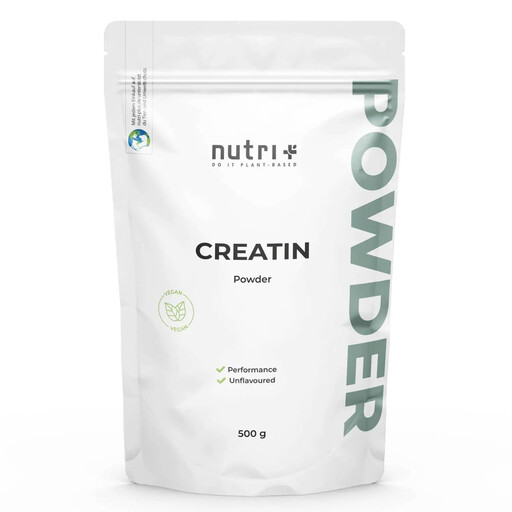
Why this product suits this profile: The 500 g pack is an interesting option for adults who train regularly and are looking for a larger vegan-friendly supply.
The product information states 100% creatine monohydrate without sweeteners, flavourings, colourings or preservatives. This keeps the ingredient list straightforward.
500 g content, vegan product information and 3 g of creatine per stated serving.
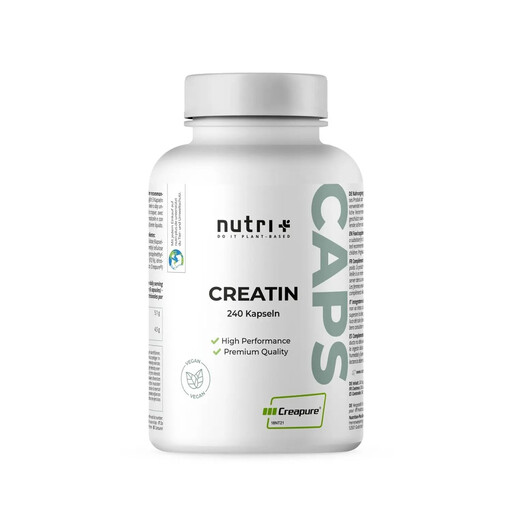
Why this product suits this profile: Shoppers who prefer clearly stated raw material information and a short ingredient list will find a vegan powder with Creapure labelling here.
The information lists 100% Creapure creatine monohydrate and a plant-based capsule shell; for the version considered here, the pack format should be checked before purchase.
Creapure raw material information, vegan formulation and 3.5 g of creatine monohydrate per stated serving.
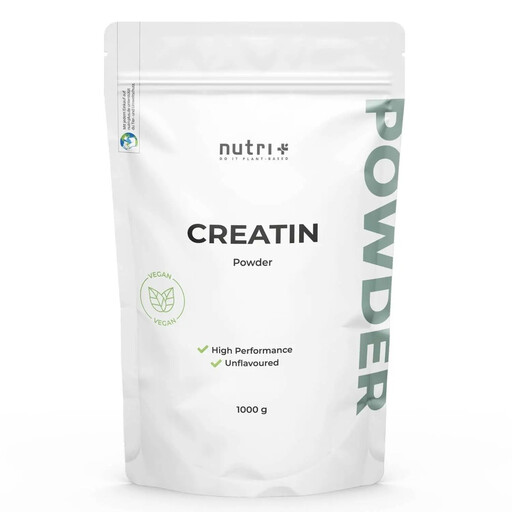
Why this product suits this profile: For regular users with high consumption, a 1000 g pack can reduce the number of repeat orders.
The formula is described as creatine monohydrate without additional flavourings or sweeteners. This means frequent users are not paying for unnecessary flavour components.
1000 g content, vegan product information and 3 g of creatine per serving according to the product description.
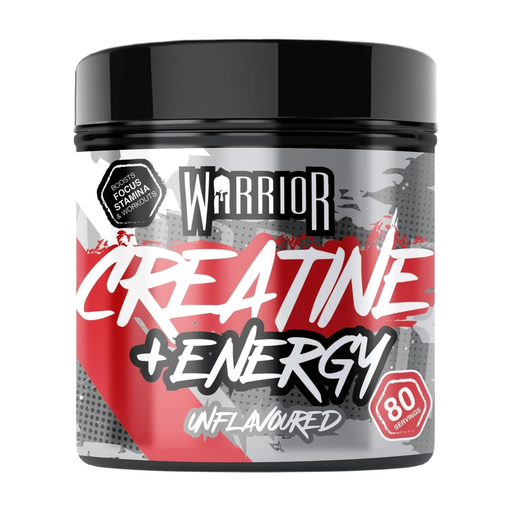
Why this product suits this profile: An option for adults who want to combine creatine and a defined amount of caffeine in one product.
The ingredient list states 80 mg of caffeine per serving, along with vitamins and other ingredients. This makes the formula easier to assess before purchase.
360 g content, 80 servings according to the product information and 80 mg of caffeine per serving.
We have put together a complete, regularly updated list of products that fully meet these strict selection criteria and the safety regulations applicable in the EU.
Always follow the dosage recommendation for the specific product. The powders listed here typically recommend one serving per day. The product information does not necessarily indicate that it must be taken before or after training; on rest days, you can take it at a consistent time according to the instructions on the pack.
Store creatine monohydrate powder in a dry, cool place away from direct sunlight. The container should be sealed tightly after every use. Food supplements should not be used as a substitute for a varied diet. Adults with kidney disease, those receiving medical treatment or following specific dietary requirements should consult a doctor before taking it. Depending on the product, additional restrictions may apply to under-18s and during pregnancy or breastfeeding.
The best-before date on the packaging is the key reference. If stored in a dry place in a sealed container, the powder can be used up to that date. Moisture can alter its consistency and cause clumping. A drink that has already been mixed should be consumed promptly in accordance with the product information and should not be stored for an extended period.
Not necessarily. Unflavoured powder often contains fewer additional ingredients and can be combined flexibly with other drinks. Flavoured creatine may be more convenient for people who do not enjoy the taste of neutral powder. Compare the ingredient list, creatine content and price per serving.
This depends on the actual price per serving, the daily dosage and your personal consumption. A 1000 g pack needs to be reordered less often with regular use, but requires more storage space and should remain sealed and dry. For beginners, a smaller pack may be a sensible choice while they assess the flavour, solubility and suitability for everyday use.