
Lieferung heute & morgen

Qualitätsgarantie

Willkommens-Angebote freischalten: KOSTENLOSE Lieferung | Bis zu 80 % RABATT | Kostenlose 30-Tage-JoyPlus-Testphase
App herunterladen
Anyone looking to buy creatine monohydrate powder will find numerous options from German online retailers: unflavoured or flavoured, micronised or traditionally milled, in 187 g, 300 g or larger tubs. However, the differences are not limited to price. The actual creatine content, serving size, ingredients list and suitability for everyday use are all important.
With a creatine supplement in particular, certain typical marketing claims can lead to unsuitable purchases. Taking an objective look at the product details can help you avoid unnecessary expense.
“Lots of servings” may initially sound economical. However, only the combination of net weight, serving size and creatine content provides a meaningful comparison. For example, a product may state that it contains 55 servings, with each serving containing 4.5 g of powder but providing only 3 g of creatine. So compare the price per gram of creatine, rather than looking only at the price per tub.
Micronised creatine consists of more finely milled particles. This can make it easier to mix into water or a shake. However, a finer texture does not automatically prove a higher creatine content or any special effect. The stated amount of creatine monohydrate per serving remains the key factor.
Unflavoured creatine often contains only creatine monohydrate. Flavoured creatine may also contain acidity regulators, sweeteners, flavourings, colourings or salt. This is not necessarily a problem, but it should fit with your personal diet and any existing intolerances. If you already mix your creatine with a protein or recovery drink, an unflavoured version is often the simpler choice.
For adults using creatine for strength training, CrossFit or other short, high-intensity activities, the statement “of which creatine” is particularly important. Several of the products listed specify 3 g of creatine per daily serving. The authorised EU claim states that creatine contributes to an increase in physical performance during successive bursts of short-term, high-intensity exercise when consumed daily at 3 g. This claim applies only under the relevant legal conditions and is not a promise of treatment or therapeutic benefit.
Also check whether the serving is specified using a measuring scoop or a household measure. Kitchen scales allow more precise dosing than an inaccurately filled teaspoon.
For a pure product, the ingredients list should contain only creatine monohydrate. Other products combine creatine with ingredients such as caffeine, vitamins, magnesium or sweeteners. These blends may be suitable for particular times of day, but they cannot be compared directly with pure creatine.
Also check for information about possible traces of milk, gluten, soya, egg, nuts or peanuts. Claims such as “vegan” or “free from allergens requiring declaration” should always be checked against the latest packaging information.
A 300 g creatine tub can theoretically provide around 60 servings when the daily serving is 5 g. However, with 3 g of creatine per serving, the weight of the powder is not automatically the same as the amount of pure creatine. Compare:
The product data should also be consistent. For some listings, the title, description and serving information may differ. In such cases, the information on the product label is the authoritative reference.
The following selection groups specific products according to different requirements. It does not replace checking the current product page and packaging information.
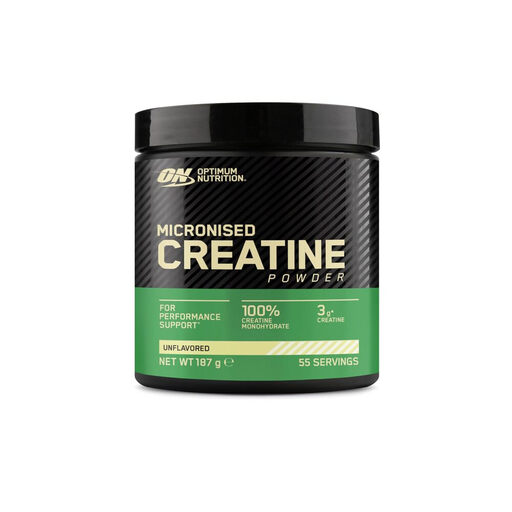
Why this product suits this profile: With approximately 55 servings, this compact pack is suitable for beginners who want to start by buying a manageable amount of unflavoured creatine. Each serving provides 3 g of creatine.
The product details state both the powder quantity and the amount of creatine per serving. This makes it easier to compare the actual contents with other offers.
Micronised, unflavoured powder; according to the product information, 3 g of creatine per serving and no declared allergens.
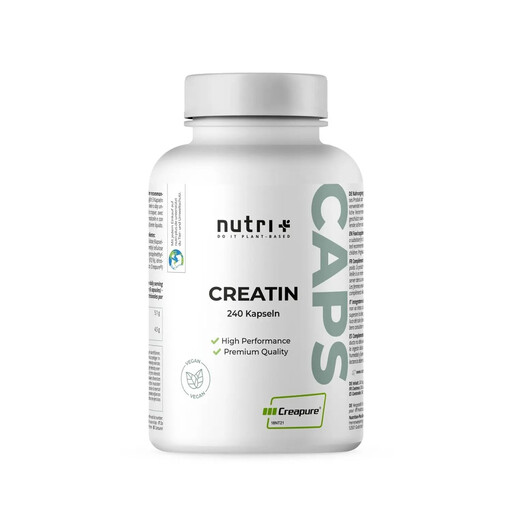
Why this product suits this profile: The ingredients list states 100% Creapure creatine monohydrate. This product is aimed at adults who prefer a vegan powder with no sweeteners, flavourings, colourings or preservatives.
The detailed ingredients information makes it clear that no additional sweeteners or flavourings are intended to be included.
Creapure creatine monohydrate; according to the product description, no vegan capsule shell is required because it is supplied as a powder.
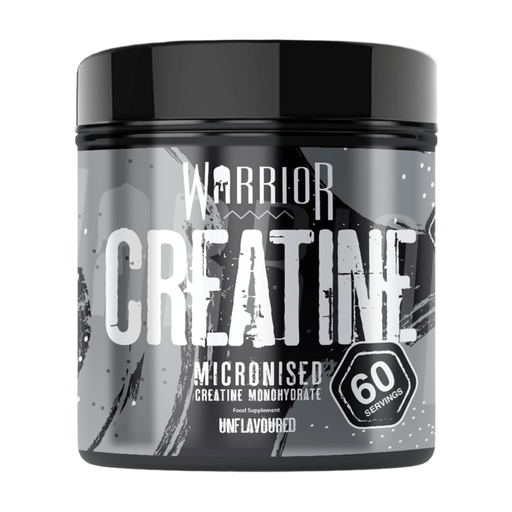
Why this product suits this profile: The 300 g tub is designed for regular use. According to the product information, a 5 g serving is recommended, giving approximately 60 servings in theory.
The recommended quantity and the resulting number of servings can be calculated from the information provided. The neutral formula avoids additional flavourings.
300 g of powder; according to the product description, micronised creatine monohydrate and an additional indication of silicon dioxide as an anti-caking agent.
We have put together a complete, regularly updated list of products that fully meet these strict selection criteria and the safety regulations applicable in the EU.
Creatine is usually mixed with water, juice or a shake. Taking the stated serving every day is easier to manage than varying the amount around individual training sessions. With flavoured products, dissolve the powder in the recommended amount of liquid according to the instructions.
Store the tub in a cool, dry place, protected from light and tightly sealed. Moisture can make powder more difficult to handle. Prepared drinks should be consumed promptly and not stored for extended periods.
Food supplements should not be used as a substitute for a varied and balanced diet. Do not exceed the recommended daily amount. The products in this selection are intended for adults. If you have kidney disease, follow a protein-restricted diet, are pregnant or breastfeeding, take medication or have any other health concerns, seek medical advice before consumption.
This depends on the net weight and daily serving. A 300 g tub theoretically lasts around 60 days at 5 g per day. With a 3.4 g serving, it would last correspondingly longer. The manufacturer’s stated serving is what matters, not just the size of the packaging.
Unflavoured creatine can be combined flexibly with water, juice, whey or other drinks, and often has a shorter ingredients list. Flavoured creatine may be more enjoyable to drink, but usually contains additional flavourings, sweeteners and acidity regulators. The right choice therefore depends on your taste, ingredient preferences and intended use.
Powder is usually easy to add to drinks and allows you to measure out a flexible amount. Tablets are easier to portion when you are on the go, but require several units per daily serving. With either format, check the actual amount of creatine per serving and the price per daily dose.